

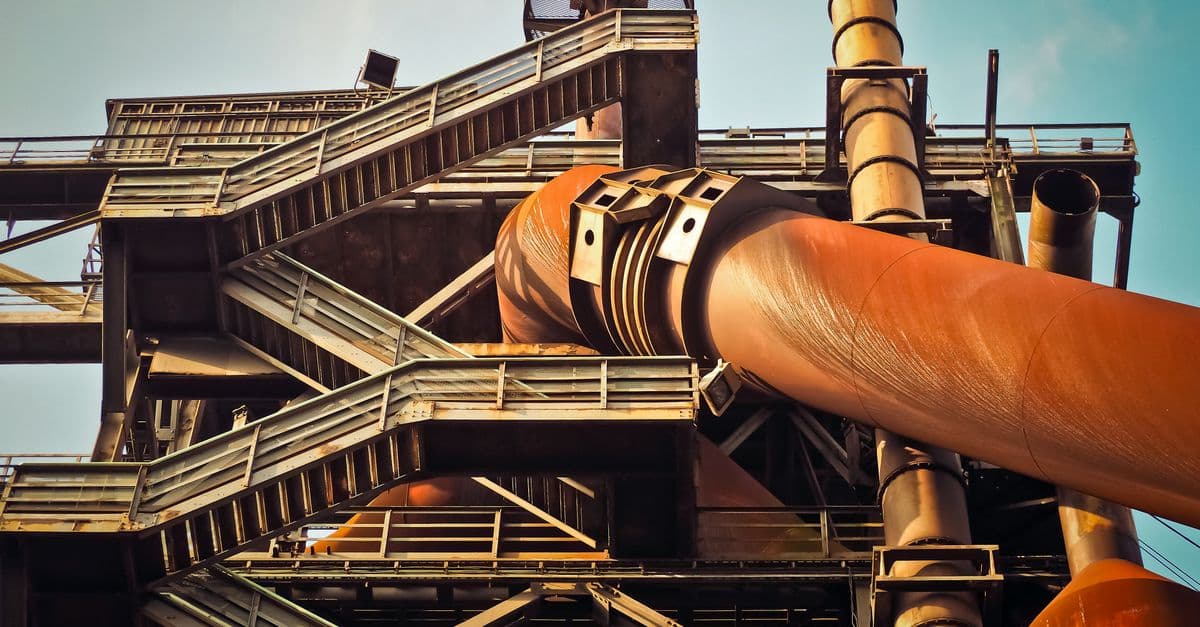
Industrial Noise Control Design Optimizer
Design cost-effective industrial noise control solutions with regulatory compliance verification
What You Can Do
You can conduct comprehensive acoustic assessments of industrial facilities, characterize noise sources from equipment like compressors and fans, calculate sound level reductions from control measures, and develop prioritized strategies that balance performance against budget constraints. Claude helps you verify compliance with OSHA, EPA, and local noise ordinances while evaluating trade-offs between engineering controls, administrative measures, and personal protective equipment.
Features
identify and classify noise sources by frequency, sound pressure level, and operational patterns
calculate how noise travels through industrial environments using distance attenuation and room acoustics principles
design barriers, enclosures, silencers, vibration damping, and layout modifications with predicted attenuation values
check proposed solutions against OSHA, EPA, and local noise ordinances specific to your jurisdiction
prioritize controls across multiple sources by comparing installation costs, maintenance, and operational impact
map noise levels at worker positions, property lines, and sensitive receptors
compare engineering controls, administrative controls, and PPE options with quantified effectiveness
Example Output
Example 1: Compressor Noise Analysis
- Current baseline: 95 dB(A) at 3 meters
- Proposed control: Partial enclosure + inlet silencer
- Predicted reduction: 12 dB(A)
- Final level: 83 dB(A) at 3 meters ✓ Meets 85 dB(A) limit
- Estimated cost: $45,000 | Payback period: 2.3 years
Example 2: Multi-Source Prioritization
- Hydraulic pump (92 dB) → Isolate with spring mounts ($8K) = 8 dB reduction
- Conveyor belt (88 dB) → Add belt cover ($12K) = 4 dB reduction
- Impact press (96 dB) → Relocate behind barrier ($35K) = 10 dB reduction
Example 3: Compliance Report
- Facility: Paper mill, 2-acre site
- Regulatory requirement: 75 dB(A) at property line
- Current measured: 82 dB(A)
- Gap to close: 7 dB(A)
- Recommended solution: Vegetated berm (6 dB) + equipment reorientation (2 dB) = 8 dB total
What's Included
- SKILL.md: complete instruction file for acoustic problem-solving workflows
- Noise Source Inventory Template: equipment type, sound level, frequency spectrum, duty cycle
- Sound Propagation Calculator: distance attenuation, barrier insertion loss, enclosure performance
- Regulatory Compliance Checklist: OSHA, EPA, and common local ordinance requirements by region
- Control Strategy Comparison Matrix: engineering controls ranked by cost, effectiveness, and implementation complexity
Who It's For
- Acoustical engineers and noise control consultants designing mitigation strategies
- Industrial facility managers addressing noise complaints and regulatory violations
- Plant engineers evaluating equipment modifications and facility expansions
- Health & safety professionals implementing workplace noise reduction programs
- Environmental compliance specialists verifying facility adherence to noise ordinances
Best For
- Pre-design acoustic assessments for new industrial facilities or major expansions
- Developing control strategies for continuous noise sources (compressors, pumps, fans, conveyors)
- Prioritizing noise controls across multiple sources with competing budgets
- Troubleshooting existing noise complaints using field measurement data
- Verifying compliance with OSHA, EPA, and local noise regulations
You might also like

You can map thermal bridge locations in building envelopes, quantify their effect on overall facade thermal performance (U-value degradation), assess condensation formation risk through surface temperature analysis, and develop detailed mitigation strategies aligned with energy codes and construction feasibility. Claude helps you bridge the gap between idealized thermal calculations and actual building performance by integrating linear and point thermal transmittance into energy models.
 by aharstad91
You can generate complete environmental noise impact assessments (NIAs) that characterize baseline conditions, identify noise sources, map sensitive receptors, interpret predictive modeling outputs, and evaluate compliance against EPA guidelines, OSHA standards, and local ordinances. The framework guides you through cumulative impact analysis and helps you develop technically defensible mitigation recommendations that balance regulatory requirements with project feasibility and budget constraints.
by aharstad91
You can systematically evaluate room acoustic conditions by calculating reverberation times (RT60) using Sabine formulas, identifying problem frequencies and room modes, analyzing absorption material performance across frequency ranges, and generating detailed acoustic treatment specifications with scientific justification. The skill produces professional-grade acoustic solutions tailored to your space constraints, budget, and performance targets while maintaining compliance with standards like ISO 3382 and ASTM C423.
by aharstad91
You can rapidly evaluate smoke control system designs by calculating required pressurization differentials, airflow requirements, and fan capacity specifications. The skill validates compliance against NFPA 92, IBC Chapter 9, and local amendments while analyzing integration points with HVAC and fire alarm systems. It identifies design gaps, suggests optimization opportunities, and generates technical documentation to support the full design lifecycle from concept through commissioning.
by aharstad91
You can input architectural parameters, environmental data, and code requirements to automatically calculate simultaneous loads on glass assemblies, determine minimum glass thickness and support specifications, and generate glazing schedules and stress reports. This eliminates manual load case combinations and identifies design conflicts before fabrication, ensuring compliance with building codes and reducing engineering rework.
by aharstad91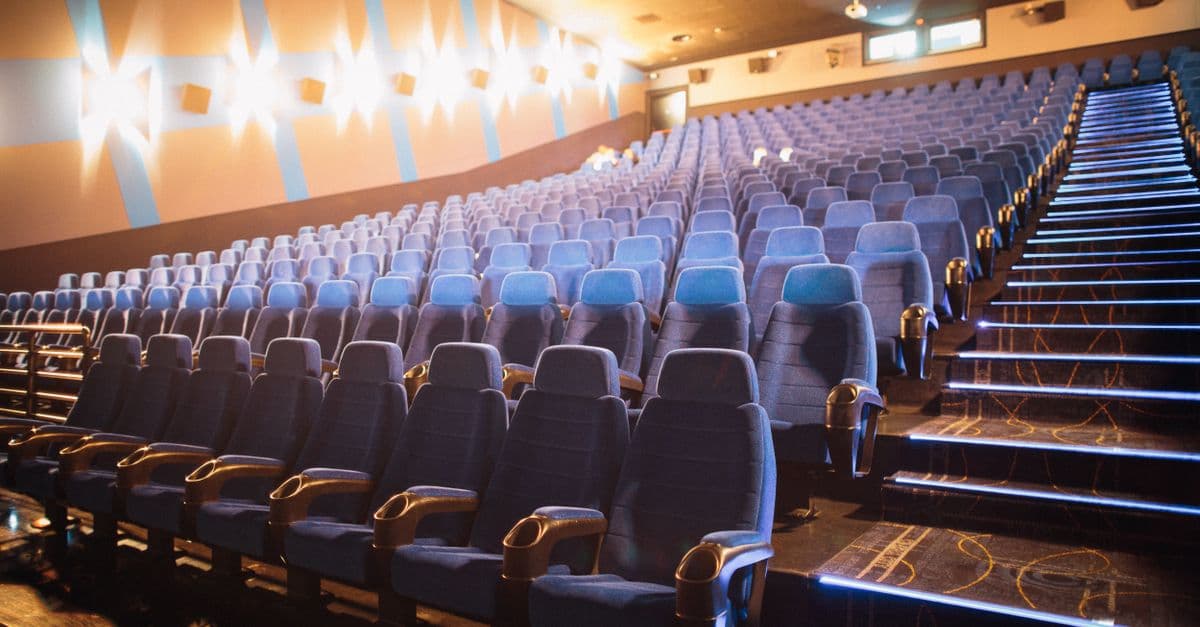
You can systematically evaluate auditorium acoustic performance by inputting measured data (impulse response, RT60, speech intelligibility metrics) or simulation results, then receive detailed analysis identifying specific frequency-dependent problems, quantified deviations from ISO 3382 and AES standards, and prioritized remediation strategies. Claude cross-references your data against performance benchmarks and generates technical justifications suitable for architect presentations, client reports, and construction specifications.
by aharstad91
You can rapidly assess solar geometry, estimate daylight factors and illuminance levels, compare aperture configurations, and identify seasonal performance variations across building orientations. Claude synthesizes complex solar data to help you validate daylighting strategies, reconcile competing performance goals, and communicate quantified design rationale to stakeholders—accelerating design development from concept through optimization.
by aharstad91
You'll build complete PayPal payment workflows that handle transactions, refunds, and subscriptions with production-ready error handling. This skill walks you through REST API authentication, webhook configuration, and debugging common payment issues so your integration handles real-world scenarios.
by aharstad91