


Surgical Case Planning Analyzer
Analyze oral surgical cases and generate evidence-based treatment plans with risk stratification
What You Can Do
This skill systematizes pre-operative planning by synthesizing radiographic findings, medical histories, and diagnostic data into actionable surgical strategies. You'll generate risk-stratified treatment sequences, identify anatomical hazards with location-specific mitigation strategies, and create detailed case summaries for specialist handoffs and peer review documentation.
Features
synthesize CBCT/radiographic findings with systemic comorbidities (diabetes, bisphosphonate therapy, immunosuppression) into comprehensive risk profiles
develop staged multi-tooth extraction and implant placement strategies that optimize healing and minimize complications
identify proximity to inferior alveolar nerve, maxillary sinus, and vital structures with location-specific mitigation tactics
generate surgeon-to-surgeon communication documents for complex referrals with clear clinical reasoning
create defensible pre-operative plans that document clinical decision-making for peer review and liability protection
systematize complex cases requiring coordinated extraction, bone grafting, and implant placement timelines
Example Output
Input: CBCT showing marginal bone loss around tooth #8, patient history of uncontrolled diabetes and bisphosphonate therapy for metastatic bone disease, failed endodontic treatment.
Output:
- Risk Category: HIGH (bisphosphonate-related osteonecrosis, hyperglycemia, anterior esthetic zone)
- Hazards: Anterior superior alveolar artery proximity, bisphosphonate-induced healing delay, esthetic compromise risk
- Recommended Plan: 1) Endodontist consultation to confirm non-restorable status, 2) Optimize HbA1c <7% with physician, 3) Surgical extraction with minimal trauma, avoid alveolar osteotomy, preserve facial bone plate, 4) 6-month osseointegration delay before implant placement, 5) Soft tissue graft at placement to enhance esthetic outcome
Input: Full-mouth examination: 6 non-restorable teeth, severe Type II Ridge resorption, controlled hypertension, no bisphosphonate history.
Output:
- Risk Category: MODERATE (ridge morphology, multi-tooth extraction)
- Phase 1 (Months 0-2): Extract posterior teeth (#2, #15, #30, #31) with simultaneous socket grafting; allow strategic healing
- Phase 2 (Months 2-4): Extract anterior teeth (#8, #9) with soft tissue preservation; evaluate ridge contour
- Phase 3 (Months 6+): Implant placement in posterior sites; anterior site assessment for bone augmentation vs. denture support
- Contingency: If ridge resorption accelerates, transition to implant-supported denture on 4 implants (bilateral canine positions)
What's Included
- SKILL.md: Core instruction file for surgical case analysis and treatment planning logic
- Case Analysis Template: Structured worksheet for radiographic findings, medical history synthesis, and risk categorization
- Anatomical Hazard Checklist: Location-specific nerve, vessel, and sinus proximity assessment tool
- Procedural Sequencing Framework: Staged extraction and implant placement decision tree for multi-tooth cases
- Risk Stratification Rubric: Comorbidity weighting system for HIGH/MODERATE/LOW risk classification
- Specialist Handoff Document Template: Pre-formatted case summary for referral communication and peer review
Who It's For
- Oral and maxillofacial surgeons — for systematizing complex pre-operative planning and risk communication
- General dentists performing surgical extractions — for case analysis before referring to specialists or managing medically compromised patients
- Implant surgeons — for assessment of marginal bone, anatomical constraints, and multi-stage rehabilitation sequencing
- Periodontists managing full-mouth extractions — for staged surgical planning and bone grafting coordination
- Dental residency programs — for teaching case analysis, clinical reasoning documentation, and peer review preparation
Best For
- Complex extraction cases with multiple comorbidities or anatomical constraints
- Full-mouth rehabilitation requiring staged surgical sequencing and implant planning
- Medically compromised patients needing risk-benefit documentation and communication
- Specialist referrals requiring detailed pre-operative case summaries and clinical rationale
- Teaching cases, morbidity/mortality reviews, and peer consultation documentation
You might also like

You can generate comprehensive, compliance-ready shift reports that follow SBAR (Situation-Background-Assessment-Recommendation) structure combined with patient acuity assessment. Claude organizes your patient data into standardized handoff documents that eliminate communication gaps, ensure continuity of care, and reduce the 15-20 minute per-patient handoff time while maintaining clinical completeness. This is especially valuable during shift changes, mid-shift coverage transitions, or care level changes where accurate information transfer directly impacts patient safety.
 by tecvoodoo
You can quickly interpret insurance claim rejection codes, develop targeted resolution strategies, and communicate effectively with payers and prescribers to recover claims that would otherwise be written off. This skill helps you navigate complex prior authorization requirements, step therapy protocols, and coverage gaps—reducing claim resolution time from hours to minutes and recovering 15-25% of rejected claims through systematic troubleshooting and payer engagement.
by tecvoodoo
You can systematically integrate diagnostic assessment, clinical interview data, psychometric testing results, and collateral information into comprehensive case formulations that explain the etiology and maintenance of presenting problems. Claude helps you apply evidence-based theoretical frameworks (CBT, psychodynamic, systemic, trauma-informed) to develop mechanistic understanding of client distress, predict treatment response, identify risk factors, and communicate clinical reasoning to supervisors, colleagues, and interdisciplinary teams.
by tecvoodoo
You can input comprehensive patient histories, surgical details, and comorbidities to generate structured perioperative risk assessments that integrate ASA classification, organ-system-specific vulnerabilities, and evidence-based optimization strategies. Claude synthesizes complex clinical data into actionable preoperative recommendations, identifies red flags requiring specialist consultation, and produces documentation suitable for informed consent discussions and medicolegal protection.
by tecvoodoo
You can conduct comprehensive fall risk evaluations for geriatric patients (65+) using validated screening instruments like the Timed Up and Go test, Berg Balance Scale, and FRAX scoring combined with chiropractic-specific assessments of spinal alignment, proprioception, and gait biomechanics. Claude generates detailed risk stratification reports, identifies modifiable risk factors, and creates actionable prevention protocols that integrate into your chiropractic treatment plans while documenting liability mitigation.
by tecvoodoo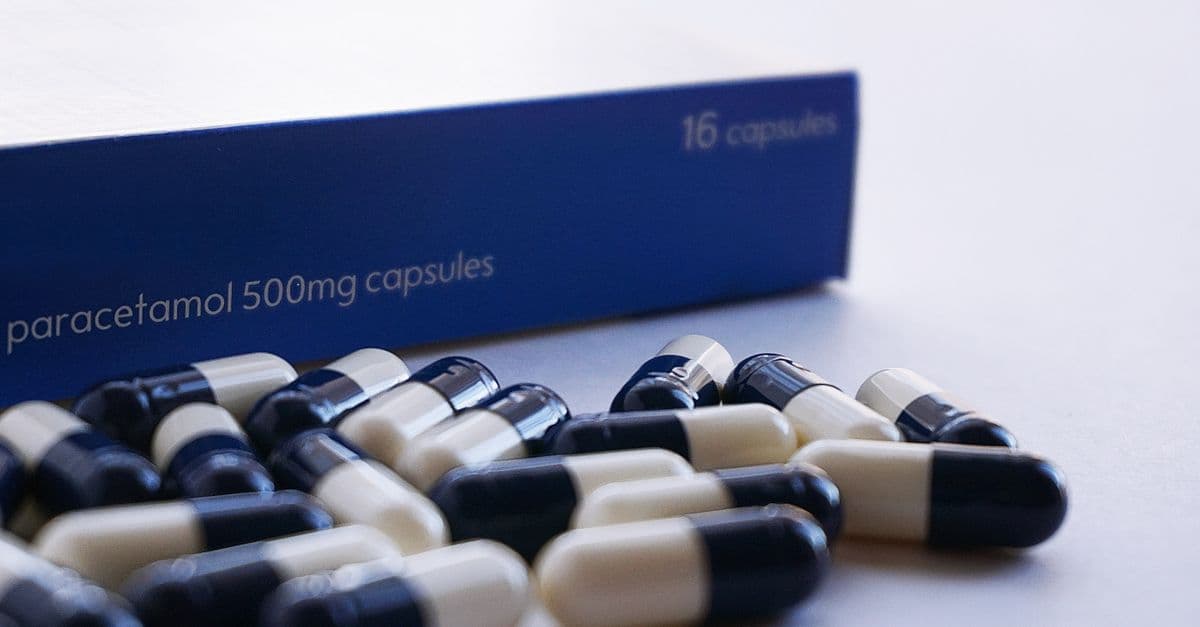
You can conduct comprehensive medication safety reviews for complex polypharmacy cases by analyzing drug-drug interactions within the context of each patient's clinical scenario—renal function, hepatic metabolism, age, and comorbidities. The skill distinguishes between theoretical concerns and actionable safety issues, quantifies clinical risk, and generates specific intervention recommendations with documented reasoning for provider communication.
by tecvoodoo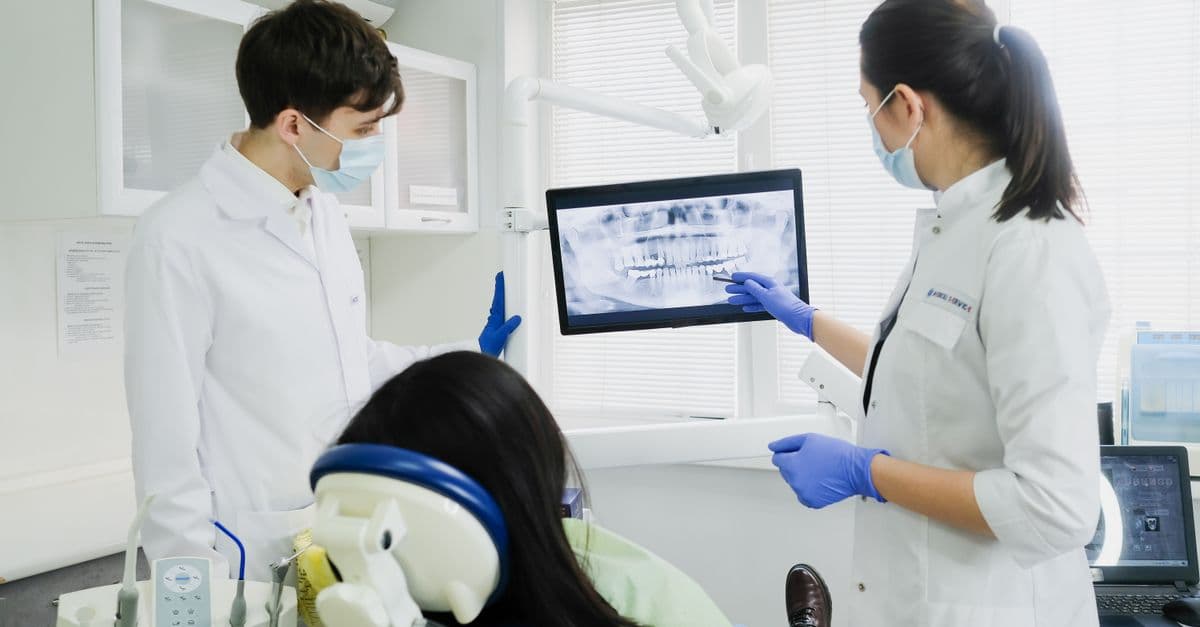
You can systematically analyze complex oral surgical cases by generating comprehensive pre-operative plans that consider osseous anatomy, neurovascular structures, and patient-specific risk factors. Claude structures multifactorial surgical analysis into actionable operative protocols, risk stratification reports, and detailed procedural workflows that reduce surgical time and improve clinical outcomes while providing medical-legal documentation.
 by gptomics
You can input patient clinical data, radiographic findings, and medical history to receive structured surgical planning analysis that identifies anatomical challenges, quantifies surgical complexity, documents complication risks, and produces step-by-step operative sequences. This skill generates detailed informed consent frameworks tailored to each patient's specific risk profile and creates actionable surgical blueprints that integrate evidence-based best practices with patient-specific factors.
by gptomics