

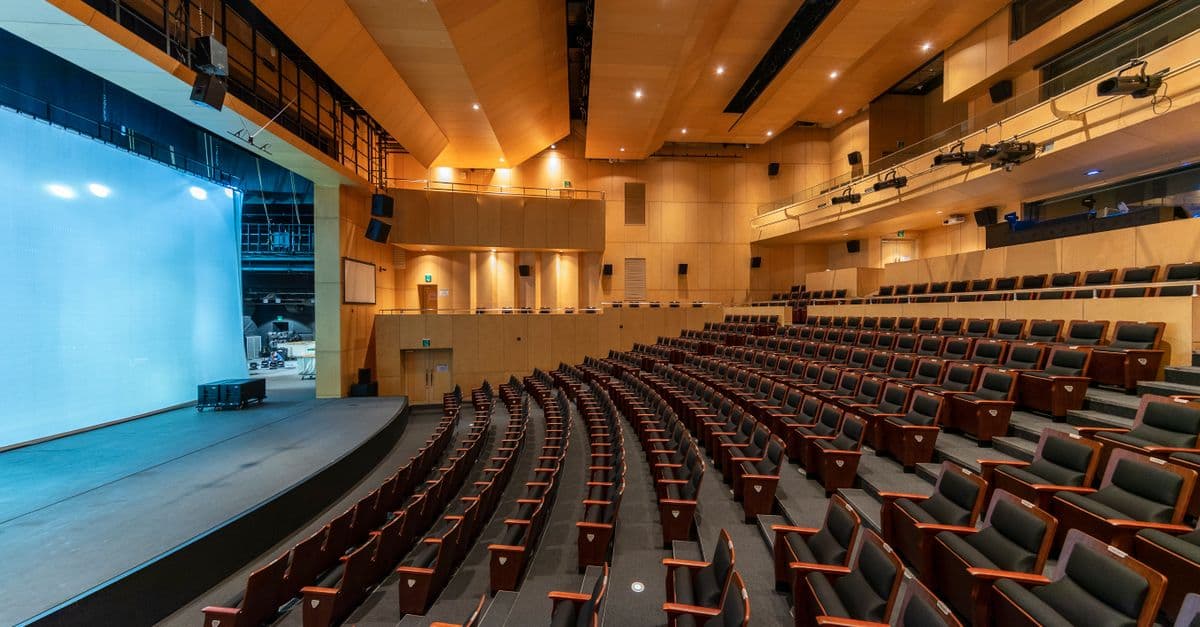
Auditorium Acoustic Design Optimizer
Design acoustically optimized auditoriums with reverberation, intelligibility & code compliance
 by aharstad91Architecture & Built EnvironmentSpecialized DesignAcoustics ConsultantAuditorium/Performance
What You Can Do
You can translate subjective performance requirements (clarity, warmth, intimacy) into quantifiable acoustic parameters (RT60, NC levels, reflection patterns). The skill guides you through comprehensive auditorium design optimization—from initial brief analysis through final acoustic specifications—integrating room acoustic theory, material selection, spatial analysis, building code compliance, and cost-benefit analysis into defensible design recommendations.
Features
Compute optimal reverberation times for different auditorium uses (speech, music, mixed programs) based on room volume and performance type
Evaluate speech clarity metrics (STI, %ALCons) and identify acoustic treatments needed to meet communication standards
Compare acoustic materials across frequency bands with absorption curves and cost-effectiveness data
Analyze sound propagation patterns and early reflection sequences to eliminate dead spots and acoustic shadows
Verify designs against applicable codes (IBC, ANSI standards) and performance criteria for occupancy type
Generate detailed specifications for design teams, contractors, and stakeholders with technical justification
Prioritize acoustic treatments by performance impact and cost to optimize limited renovation budgets
Present acoustic concepts to donors, architects, and building committees using clear diagrams and analogies
Example Output
Example 1: Concert Hall Reverberation Analysis
- Input: 2,500-seat concert hall, 45,000 cubic meters, multi-use (orchestra, chamber, lectures)
- Output: Recommended RT60 values (1.8–2.2 sec at 500 Hz for orchestral music, 1.2–1.5 sec for speech), material allocation by zone, absorption coefficients for ceiling/walls/seating, estimated cost range
Example 2: Theater Acoustic Specification
- Input: 800-seat regional theater, existing structure with architectural constraints
- Output: NC level targets (30–35 dB), early reflection prevention strategies, recommended diffusion/absorption placement, compliance confirmation with IBC acoustic standards, material specifications with performance data
Example 3: Renovation Trade-Off Analysis
- Input: Historic auditorium with budget constraints, competing priorities (warmth vs. clarity)
- Output: Tiered treatment options (minimum code compliance vs. optimal performance), acoustic impact projections for each option, cost-benefit comparison, phased implementation roadmap
What's Included
- auditorium-acoustic-design-optimizer SKILL.md: Complete acoustic design framework and decision workflow
- Reverberation Time Calculation Template: RT60 estimator for different room volumes and occupancy types
- Acoustic Material Database: Absorption coefficients, frequency curves, and cost data for common treatments
- Speech Intelligibility Checklist: STI/ALCons evaluation criteria and mitigation strategies
- Acoustic Specification Outline: Documentation structure for design teams with technical requirements and compliance notes
Who It's For
- Acoustics consultants designing or renovating performance spaces
- Architects planning auditoriums and concert halls requiring acoustic integration
- Theater operators and venue managers evaluating acoustic performance improvements
- Building project managers coordinating acoustic specifications with construction teams
- Arts facility planners and cultural institution directors developing performance spaces
Best For
- New auditorium construction acoustic planning from early design phases
- Concert hall and theater renovation acoustic optimization
- Reverberation time and material selection analysis for performance venues
- Acoustic specification documentation for design teams and contractors
- Feasibility studies and cost-benefit analysis for acoustic treatment priorities
- Code compliance verification and acoustic standards alignment
You might also like
You can generate complete environmental noise impact assessments (NIAs) that characterize baseline conditions, identify noise sources, map sensitive receptors, interpret predictive modeling outputs, and evaluate compliance against EPA guidelines, OSHA standards, and local ordinances. The framework guides you through cumulative impact analysis and helps you develop technically defensible mitigation recommendations that balance regulatory requirements with project feasibility and budget constraints.
by aharstad91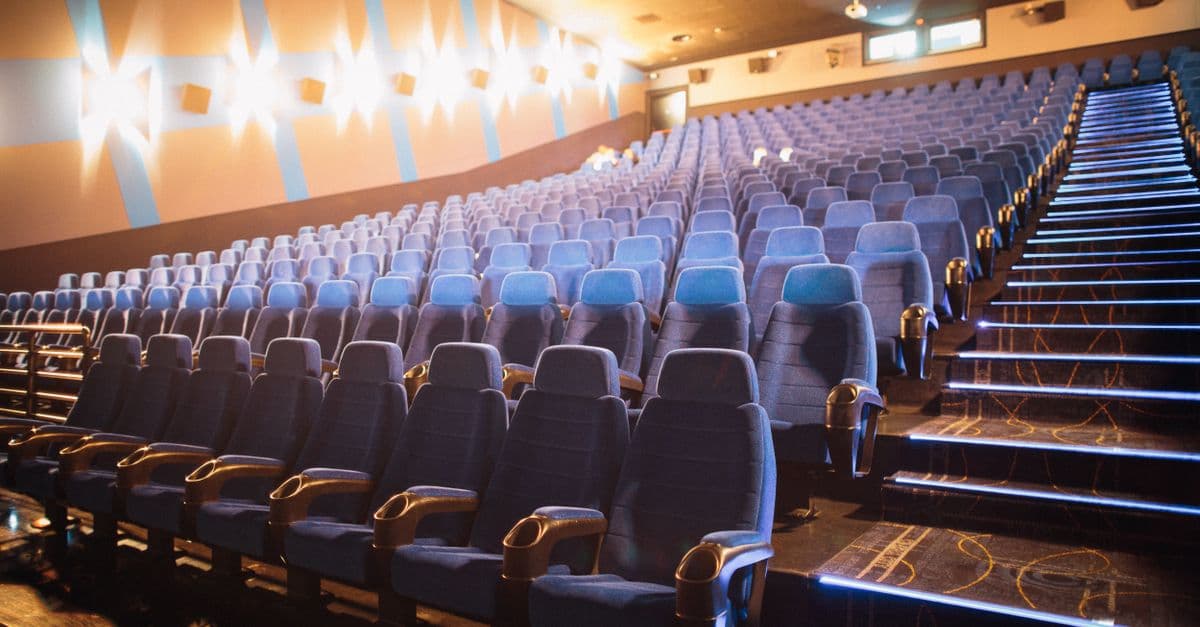
You can systematically evaluate auditorium acoustic performance by inputting measured data (impulse response, RT60, speech intelligibility metrics) or simulation results, then receive detailed analysis identifying specific frequency-dependent problems, quantified deviations from ISO 3382 and AES standards, and prioritized remediation strategies. Claude cross-references your data against performance benchmarks and generates technical justifications suitable for architect presentations, client reports, and construction specifications.
by aharstad91
You can map thermal bridge locations in building envelopes, quantify their effect on overall facade thermal performance (U-value degradation), assess condensation formation risk through surface temperature analysis, and develop detailed mitigation strategies aligned with energy codes and construction feasibility. Claude helps you bridge the gap between idealized thermal calculations and actual building performance by integrating linear and point thermal transmittance into energy models.
by aharstad91
You can input architectural parameters, environmental data, and code requirements to automatically calculate simultaneous loads on glass assemblies, determine minimum glass thickness and support specifications, and generate glazing schedules and stress reports. This eliminates manual load case combinations and identifies design conflicts before fabrication, ensuring compliance with building codes and reducing engineering rework.
by aharstad91
You'll conduct comprehensive corporate space assessments that synthesize employee needs, business workflows, brand strategy, and budget realities into actionable design solutions. Claude helps you diagnose spatial performance issues, generate evidence-based recommendations, validate design choices against measurable outcomes, and create scalable guidelines for multi-location implementations. You'll move beyond aesthetic preferences to deliver spaces that demonstrably support productivity, wellness, and organizational goals.
by aharstad91
You can systematically evaluate room acoustic conditions by calculating reverberation times (RT60) using Sabine formulas, identifying problem frequencies and room modes, analyzing absorption material performance across frequency ranges, and generating detailed acoustic treatment specifications with scientific justification. The skill produces professional-grade acoustic solutions tailored to your space constraints, budget, and performance targets while maintaining compliance with standards like ISO 3382 and ASTM C423.
by aharstad91
You can systematically evaluate natural light performance in building spaces by calculating daylight availability, assessing visual comfort metrics, and managing solar thermal loads. The skill guides you through measurable daylighting performance indicators—daylight factor, illuminance levels, uniformity ratios—and translates them into actionable glazing recommendations for architects and engineers that comply with LEED, WELL Building Standard, and European building codes.
by aharstad91
You can rapidly evaluate smoke control system designs by calculating required pressurization differentials, airflow requirements, and fan capacity specifications. The skill validates compliance against NFPA 92, IBC Chapter 9, and local amendments while analyzing integration points with HVAC and fire alarm systems. It identifies design gaps, suggests optimization opportunities, and generates technical documentation to support the full design lifecycle from concept through commissioning.
by aharstad91