


Architectural Code Compliance Analyzer
Audit architectural designs against building codes and regulations systematically
What You Can Do
You can rapidly audit building designs against applicable codes and regulations, identifying violations and required revisions before formal submission. This skill helps you cross-reference design elements against specific code sections, generate compliance reports with violation summaries, flag high-risk areas requiring specialist consultation, and prepare documentation for code official discussions—significantly reducing review cycles and design rework.
Features
automatically identifies applicable building codes, fire codes, ADA standards, and zoning regulations based on project location and type
systematically maps architectural components (egress routes, stair dimensions, accessibility features, fire ratings) against specific code sections
ranks compliance issues by severity and risk level to focus remediation efforts on critical failures first
provides targeted design modification recommendations with code citations for resolving each violation
creates structured reports suitable for code official meetings, variance requests, and design team communication
handles complex projects with overlapping regulations (historic preservation + accessibility + seismic, etc.)
identifies areas requiring structural engineer, accessibility consultant, or fire protection specialist review
Example Output
Example 1: Residential Project Compliance Report
Jurisdiction: Los Angeles, CA | Code: 2022 California Building Code
Critical Violations (Red Flag):
- Stairwell width: 36" provided vs. 44" required for 2-unit egress (CBC §1005.1)
- Remediation: Widen stairwell to 48" or reconfigure to single occupancy
Major Violations (Address Before Submission):
- Accessible parking spaces: 2 provided vs. 4 required for 150-space lot (CBC §1106.1)
- Remediation: Add 2 additional accessible spaces with proper access aisles
Minor Issues (Recommend Resolution):
- Handrail extension: 9" provided vs. 12" required at stair termination (CBC §1014.3)
- Remediation: Extend rails 12" horizontally and 12" vertically
Example 2: Commercial Office Accessibility Audit
Compliant Elements: ✓ Clear floor space at reception desk | ✓ Accessible restroom grab bars | ✓ Ramp slope 1:12 at main entry
Non-Compliant Elements: ✗ Conference room doors 30" (require 32" minimum clear width) | ✗ Drinking fountain mounted 42" height (require 36-48" max for accessible unit) | ✗ Emergency exits not marked with illuminated signage
Next Steps: Coordinate with structural engineer on door frame widening; replace one water fountain with accessible-height unit.
What's Included
- SKILL.md instruction file with overview, usage guidelines, and Claude interaction patterns:
- Jurisdiction Code Reference Template: checklist of codes to verify by location and project type
- Design Element Audit Checklist: structural, fire safety, accessibility, energy, egress, and zoning categories
- Compliance Report Framework: structured format for violation documentation, remediation strategies, and severity ranking
- Code Official Discussion Guide: documentation format and talking points for variance requests and code review meetings
Who It's For
- Architects — conducting design compliance reviews across project phases and multiple jurisdictions
- Design teams — junior architects and interns learning local code requirements and compliance patterns
- Project managers — pre-screening designs before formal submissions to reduce review cycle delays
- Architectural technologists — preparing documentation for code official meetings and variance requests
- Smaller practices — studios without dedicated compliance specialists or code research resources
Best For
- Schematic and design development phase compliance validation before detailed design
- Unfamiliar jurisdiction code requirements — new markets or states with different regulatory frameworks
- Complex multi-overlay projects — historic preservation districts + seismic zones + accessibility requirements
- Variance and exception request preparation — documenting why standards cannot be met and proposing alternatives
- Design option comparison — evaluating code-compliant solutions for stairs, egress routes, accessible features
You might also like
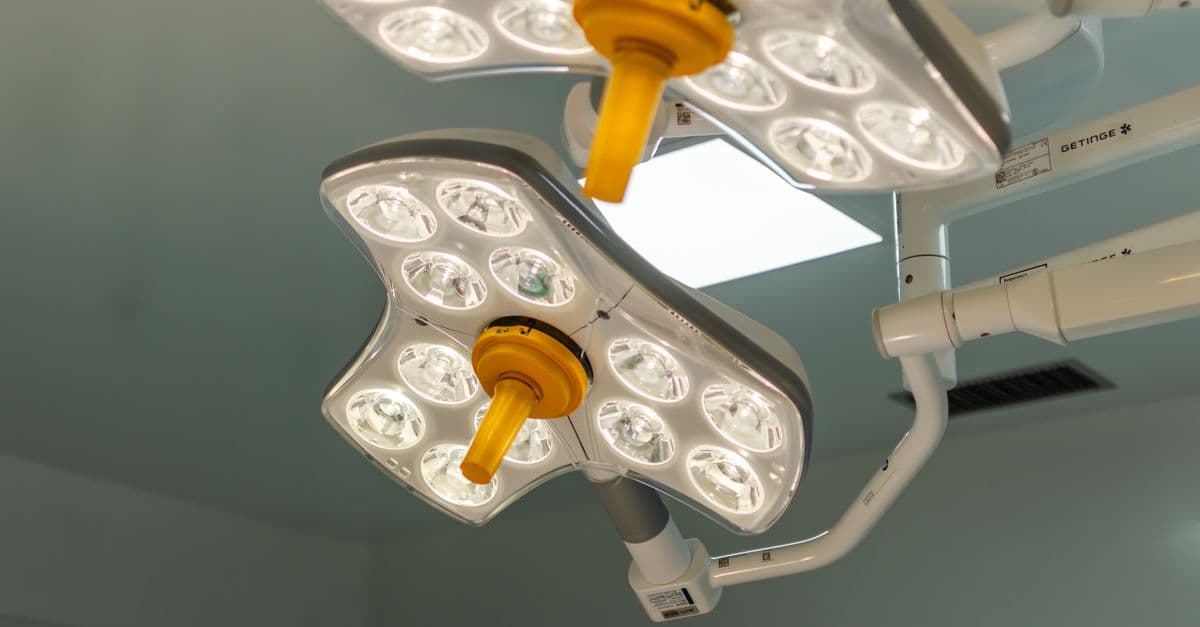
You can analyze healthcare interior design proposals across multiple regulatory frameworks simultaneously. Claude reviews spatial layouts, material selections, workflow patterns, and accessibility features against current FGI Guidelines, ADA accessibility standards, ICRA (Infection Control Risk Assessment) protocols, and state/federal healthcare facility codes. This systematic evaluation identifies compliance gaps, material risks, workflow inefficiencies, and accessibility failures before construction begins, helping you avoid costly revisions and regulatory delays.
 by bradagi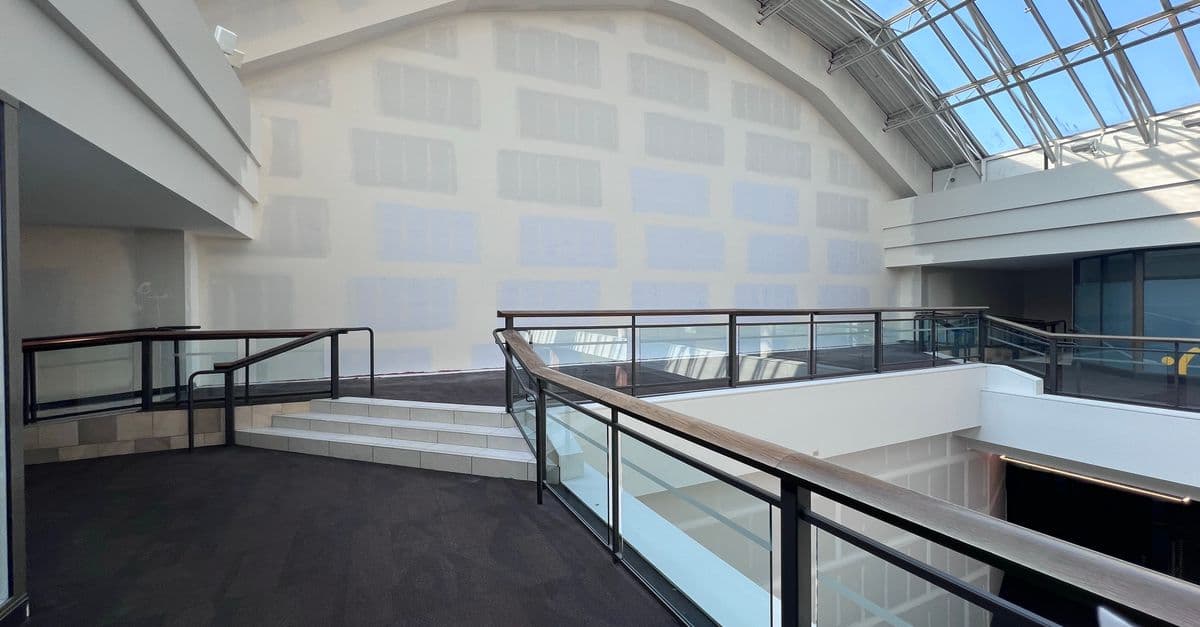
You can quickly validate commercial floor plans against building codes, identify circulation bottlenecks, and recommend spatial programming improvements without manual code review. This skill analyzes tenant layouts, egress patterns, ADA compliance risks, and functional relationships to accelerate schematic design decisions and support lease negotiations with data-driven feedback on space efficiency and code violations.
by bradagi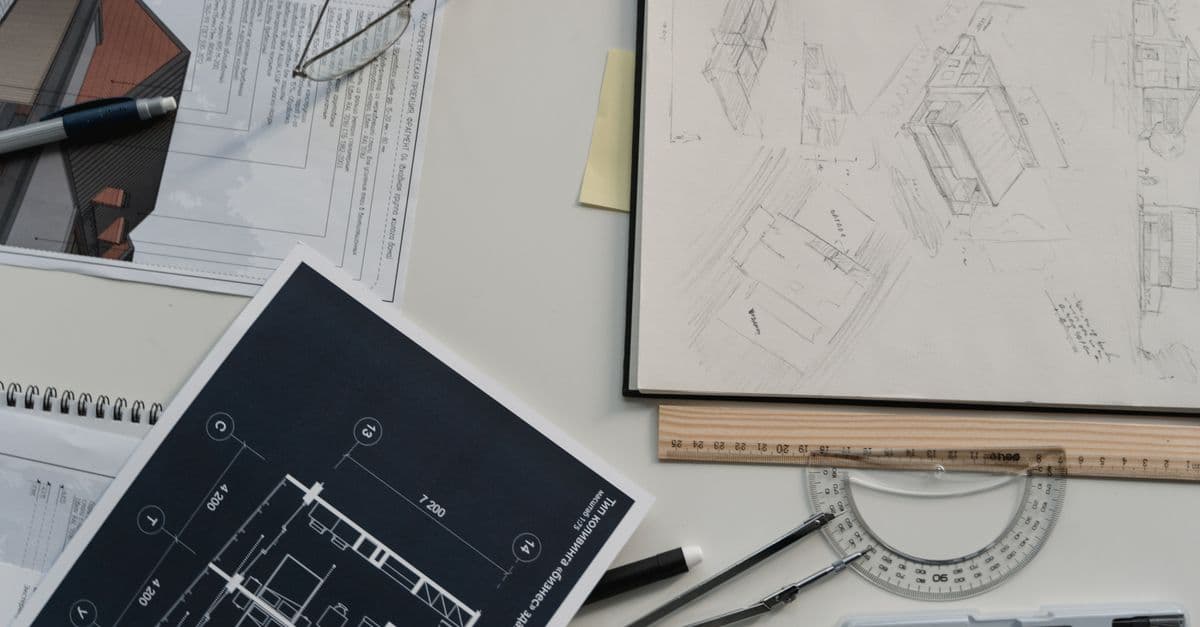
You can submit architectural design briefs—regardless of project type or complexity—and receive a comprehensive validation that identifies gaps in technical specifications, flags compliance and regulatory risks, surfaces conflicting requirements, and generates clarifying questions for stakeholders. This catches issues when they're cheapest to fix, preventing costly design iterations and scope creep during development phases.
by bradagi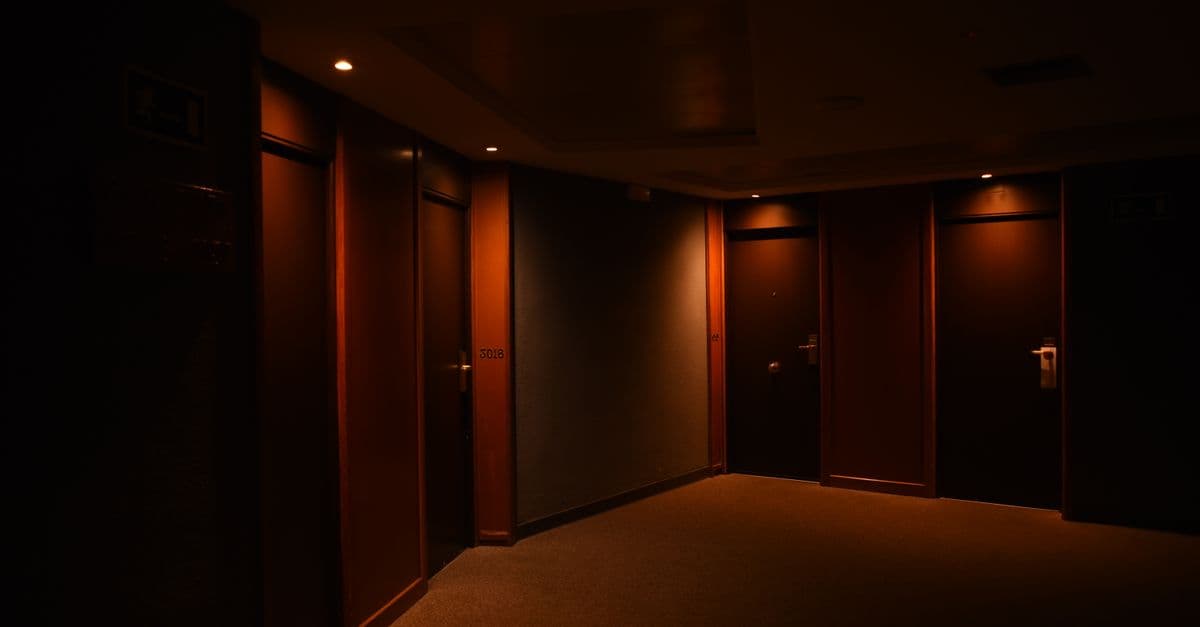
You can develop complete interior design systems for hospitality properties that account for guest psychology, housekeeping efficiency, safety regulations, and revenue metrics simultaneously. This skill helps you create guest rooms, suites, common areas, and F&B spaces with strategic spatial planning and sensory design protocols that increase guest satisfaction scores, reduce operational costs, and optimize Revenue Per Available Room (RevPAR).
by bradagi
You can rapidly develop comprehensive space programming documents that quantify spatial requirements, define operational workflows, and establish design criteria before schematic design begins. This skill translates your hospitality venue's business objectives and guest experience vision into precise area schedules with net/gross calculations, adjacency matrices showing spatial relationships, and guest flow diagrams that guide all subsequent design decisions and ensure efficient space allocation.
by bradagi
You can input client briefs, building dimensions, departmental requirements, and adjacency needs to receive a comprehensive space program that quantifies square footage by function, identifies spatial conflicts, calculates efficiency metrics, and prioritizes areas by business criticality. This becomes your design contract—a documented baseline that prevents scope creep, justifies design decisions, and enables accurate cost estimation throughout the project lifecycle.
by bradagi
Store entities and relationships in a persistent, embedded graph database. Run vector, full-text, and hybrid semantic searches across your graph structure. Extract entities and relations from unstructured text using DSPy, deduplicate nodes and edges intelligently, run graph algorithms like PageRank and centrality analysis, and visualize your knowledge graph interactively in a browser—all within a single Python package with zero server dependencies.
by bradagi
You can generate multiple furniture arrangement options for any residential space by inputting room dimensions, permanent fixtures, and design requirements. The skill produces annotated layout recommendations with specific furniture placement reasoning, traffic pattern analysis, functional zone definitions, and design narratives tailored for client presentations. It handles challenging scenarios like unusual room shapes, multiple entry points, and small-space optimization to maximize both functionality and aesthetic appeal.
by bradagi