

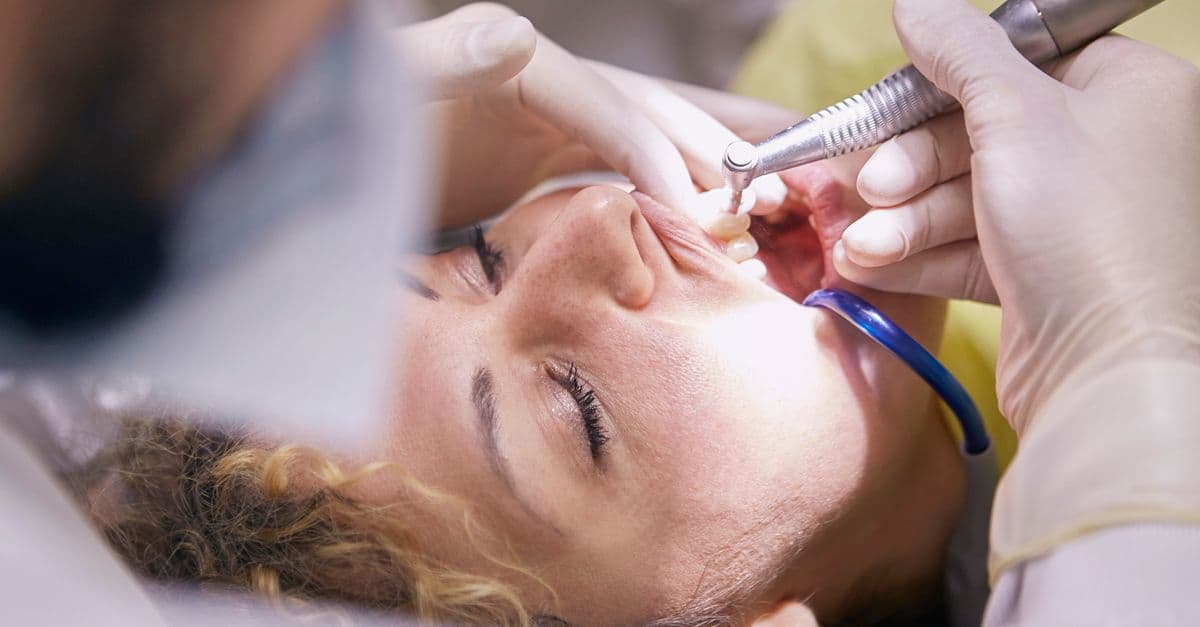
Endodontic Re-Treatment Case Planner
Systematically evaluate endodontic failures and create evidence-based re-treatment plans
What You Can Do
This skill guides you through systematic evaluation of endodontic failures by identifying the specific cause of failure, assessing anatomical and technical complexity, determining treatment feasibility, and creating a sequenced re-treatment plan with realistic prognostic outcomes. You'll produce clinical documentation that justifies treatment decisions, manages patient expectations, and provides defensible records for insurance and medicolegal purposes.
Features
diagnose root causes including technical errors, anatomical factors, and iatrogenic complications
evaluate difficulty score considering calcified canals, perforations, ledges, posts, and separated instruments
assign success probability based on clinical and anatomical factors with evidence-based outcomes data
create logical, step-by-step clinical pathway from access through obturation with contingency planning
generate clear explanations of failure causes and treatment options for informed consent
structure case notes for insurance justification, referral communication, and medicolegal defensibility
navigate re-treatment vs. surgery vs. extraction decision points with objective criteria
document and categorize specific anatomical challenges and their impact on treatment planning
Example Output
Case Summary:
- Patient: 45-year-old male, tooth #14 with recurrent symptoms 18 months post-treatment
- Failure Cause: Inadequate apical obturation with 2mm gap + ledge formation in mesial canal
- Technical Difficulty Score: 7/10 (moderate-high complexity)
- Prognostic Assessment: 72% success likelihood with complete re-treatment; 85% if surgical retreat considered
Treatment Sequence:
- Access and coronal restoration removal
- Pulp chamber reopening with ultrasonic assistance
- Gutta-percha removal via combination method (heat + rotary instruments)
- Ledge management with microosmotic approach
- Full working length negotiation and apical patency establishment
- Mechanized shaping to working length
- Complete warm vertical condensation to apical foramen
Patient Communication: "Your tooth didn't heal properly because the filling material didn't extend all the way to the root tip, and a ledge formed during original treatment. We can clean this out and reseal it properly with a 72% success rate."
What's Included
- SKILL.md instruction file with systematic evaluation framework:
- Failure Analysis Checklist: structured assessment of technical, anatomical, and biological failure factors
- Technical Difficulty Scoring Matrix: quantified assessment tool for anatomical complexity
- Prognostic Decision Algorithm: evidence-based success probability calculator
- Treatment Sequencing Template: step-by-step clinical pathway with decision points
- Patient Communication Scripts: pre-written explanations for common failure scenarios
Who It's For
- Endodontists — planning complex re-treatment cases and managing referrals
- General dentists with endodontic focus — evaluating whether to refer or treat re-treatment cases
- Dental specialists — preparing comprehensive case documentation and insurance justifications
- Postgraduate endodontic residents — learning systematic re-treatment case analysis and planning methodology
- Dental practices — standardizing re-treatment case evaluation and clinical documentation protocols
Best For
- Evaluating teeth with recurrent symptoms after previous root canal therapy
- Assessing feasibility before committing to technically complex re-treatment cases
- Creating treatment plans for anatomically challenging cases (calcified canals, perforations, separated instruments)
- Generating patient education materials explaining failure causes and treatment options
- Documenting clinical reasoning for insurance pre-authorization and medicolegal defense
- Navigating re-treatment vs. surgical treatment vs. extraction decision-making
You might also like

You can systematically develop phase-by-phase orthodontic treatment protocols that synthesize diagnostic data, patient anatomy, and mechanical principles. This skill generates detailed appliance selection recommendations, extraction vs. non-extraction analyses, wire progression sequences, and clinical milestones to guide efficient execution from initial placement through retention for complex malocclusions requiring three-dimensional control.
 by comeonoliver
You can input detailed case information—including patient history, radiographic findings, clinical examination results, and anatomical considerations—and receive a comprehensive treatment analysis. The skill generates structured case summaries, identifies critical diagnostic elements, evaluates treatment options (conventional endodontic, surgical, or extraction), and produces documentation-ready prognosis assessments that support clinical decision-making and patient communication.
by comeonoliver
Stop bleeding money on forgotten subscriptions and negotiable expenses. This skill systematically dissects your spending, exposes hidden patterns you've overlooked, and generates a prioritized action plan that typically uncovers $2,000-$8,000+ in annual savings. You'll get specific negotiation templates, insider tips for lowering bills, and a complete expense audit that tells you exactly where your money is really going.
by comeonoliver
You can generate complete treatment plans for traditional fixed appliance cases by integrating diagnostic data, skeletal/dental analysis, and biomechanical principles. Claude helps you structure extraction vs. non-extraction decisions, design anchorage control strategies, sequence mechanics systematically, and create patient-facing narratives that explain your clinical rationale. This skill is designed for moderate-to-complex cases where defensible clinical reasoning and treatment efficiency optimization are critical.
by comeonoliver
You systematically develop comprehensive denture case plans by analyzing patient presentation data, classifying denture types, sequencing treatment phases, and generating detailed fabrication specifications. The skill guides you through material selection, esthetic requirement documentation, and clinical intent capture—producing standardized documentation that ensures your laboratory partner understands your clinical vision and reduces remake cycles.
by comeonoliver
You can transform patient presentations into evidence-based crown and bridge treatment plans that account for clinical factors (tooth anatomy, bone support, opposing dentition), patient variables (budget, esthetics, longevity), and laboratory requirements. The skill guides systematic case analysis, material and design selection, treatment sequencing decisions, and generates patient-ready documentation to support informed consent and case acceptance.
by comeonoliver
You can rapidly develop comprehensive pediatric orthodontic treatment plans that account for skeletal maturation stage, dentition phase, growth potential, and optimal timing for interceptive versus definitive intervention. The skill generates structured plans with parent education materials, compliance strategies, and evidence-based protocol selection tailored to each child's developmental stage and clinical presentation.
by comeonoliver
You can systematically evaluate patients with severe skeletal discrepancies and develop coordinated surgical treatment plans that integrate cephalometric analysis, surgical movement simulation, and patient communication strategies. This skill structures the entire pre-operative planning process—from baseline skeletal assessment through surgical consultation readiness—ensuring precise documentation and clear coordination with maxillofacial surgery partners.
by comeonoliver