


Collegiate Return-to-Play Protocol Builder
Generate Evidence-Based Return-to-Play Protocols for Collegiate Athletes
What You Can Do
This skill generates comprehensive, evidence-based return-to-play (RTP) protocols tailored to collegiate athletics. You provide athlete injury details, sport type, and institutional requirements, and Claude creates systematic assessment criteria, progressive rehabilitation phases, compliance documentation, and medical clearance checklists. This ensures your protocols meet NCAA guidelines, institutional liability standards, and current sports medicine best practices while reducing documentation burden on your athletic medicine staff.
Features
Creates RTP plans grounded in peer-reviewed sports medicine literature and current NCAA guidelines, ensuring clinical validity and institutional defensibility.
Customizes rehabilitation phases based on injury type, sport demands, and position-specific requirements for accurate, relevant recovery timelines.
Generates quantifiable metrics for evaluating athlete readiness at each phase, including specific tests, performance thresholds, and functional benchmarks.
Documents required sign-offs from athletic trainers, physicians, and team medical staff with specific decision points and escalation procedures.
Automatically incorporates Division I, II, and III compliance requirements, ensuring protocols meet regulatory standards and institutional liability protection.
Identifies high-risk athletes (previous injuries, comorbidities, slow progress) requiring enhanced monitoring and individualized protocol modifications.
Adapts protocols to your school's medical department workflow, staff availability, facility resources, and specific institutional policies and risk tolerance.
Provides standardized assessment forms, digital trackers, and coaching communication templates ready for immediate deployment or system integration.
Example Output
Phase 2: Functional Movement & Sport-Specific Training (Weeks 3-5 Post-Clearance)
Assessment Criteria for Phase Entry:
- Single-leg stance on affected side: 30+ seconds without balance loss
- Isokinetic strength testing: 85% limb symmetry index (LSI) at 60 deg/sec
- Y-Balance Test: no more than 4cm difference between limbs
- Physician clearance for progressive weight-bearing
Daily Progression Examples: Week 3: Double-leg cone drills (no cutting), agility ladder at 50% speed, sport-specific drills without contact Week 4: Single-leg proprioceptive work, shuttle runs at 75% speed, sport-specific movements with fatigue protocol Week 5: Cutting drills, sport-specific conditioning, low-contact practice participation
Phase Advancement Checklist: ✓ Athlete achieves 90% LSI on isokinetic testing ✓ Completes agility battery at 95% pre-injury baseline ✓ Athletic trainer clears for sport-specific training ✓ Coaching staff reports no pain or hesitation during drills ✓ Athlete demonstrates psychological readiness via ACL-Return to Sport after Injury (ACL-RSI) scale
What's Included
- Sport-Specific Protocol Templates: Pre-built frameworks for common collegiate injuries (ACL, ankle sprains, shoulder dislocations, concussion) across multiple sports.
- Assessment Criteria Database: Objective, evidence-based testing standards for each rehabilitation phase with clear pass/fail thresholds and functional benchmarks.
- Compliance Documentation Suite: NCAA and institutional checklists, medical clearance forms, risk acknowledgment documents, and liability protection templates.
- Medical Clearance Workflow Maps: Decision trees and communication protocols showing sign-off requirements from athletic trainers, team physicians, coaches, and administrators.
- Progress Tracking & Coaching Tools: Printable assessment sheets, coaching communication templates, and daily progression checklists for standardized team implementation.
Who It's For
- Collegiate Athletic Trainers
- Team Physicians and Sports Medicine Specialists
- Athletic Department Directors and Compliance Officers
- Strength and Conditioning Coaches
- Coaching Staff and Medical Coordinators
Best For
- Creating standardized, defensible return-to-play protocols
- Documenting progressive rehabilitation timelines and assessment criteria
- Ensuring NCAA compliance and institutional liability protection
- Establishing consistency across multiple teams and injury types
- Reducing documentation time and protocol development cycle
You might also like
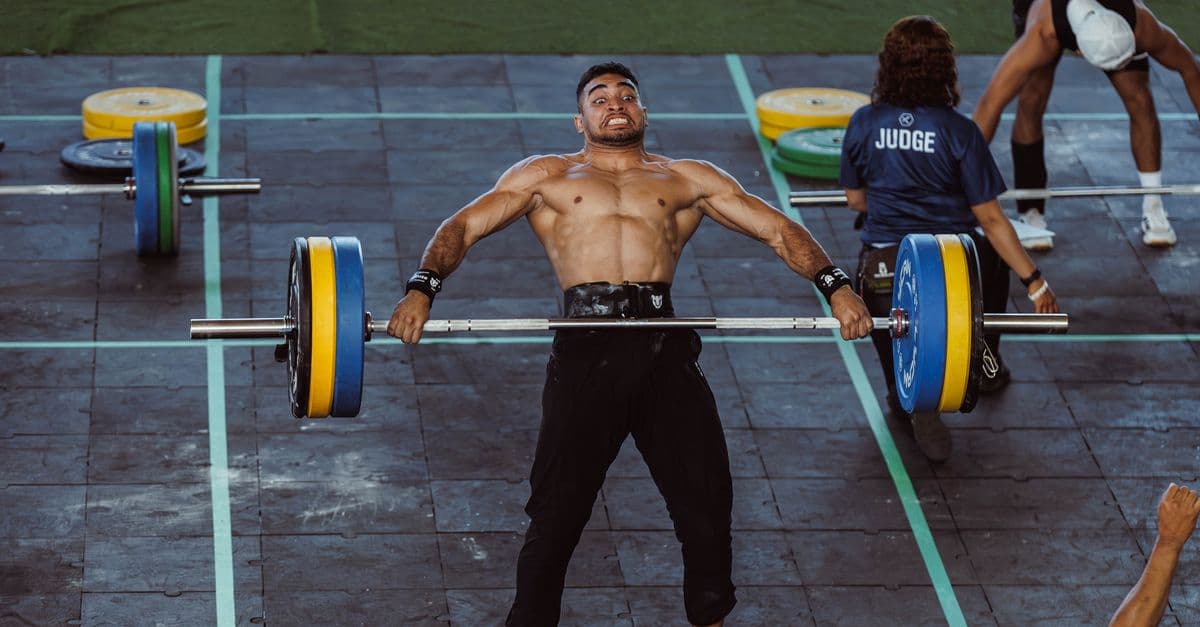
Transform raw athlete metrics into actionable periodized training programs using evidence-based coaching frameworks. You can analyze performance data across multiple dimensions (strength, power, endurance, speed), identify patterns and performance gaps, generate customized training phases aligned with competition calendars, and provide data-driven performance feedback with specific recovery recommendations and injury risk assessments.
 by pikkujs
Create structured return-to-play (RTP) protocols that incorporate evidence-based clinical frameworks, progressive loading stages, and objective outcome criteria. You'll generate injury-specific rehabilitation plans with clinical decision trees, risk stratification, and documentation templates that meet standard-of-care requirements. This accelerates protocol development from hours to minutes while ensuring consistency and clinical defensibility.
by pikkujs
You can create science-backed strength training programs tailored to your athletes' goals, experience levels, and sport demands. The skill uses periodization principles and evidence-based phase progression to build programs that optimize performance gains while minimizing injury risk. Each program includes detailed exercise selection, rep/set schemes, load calculations, and progressive overload strategies specific to your athlete's needs.
by pikkujs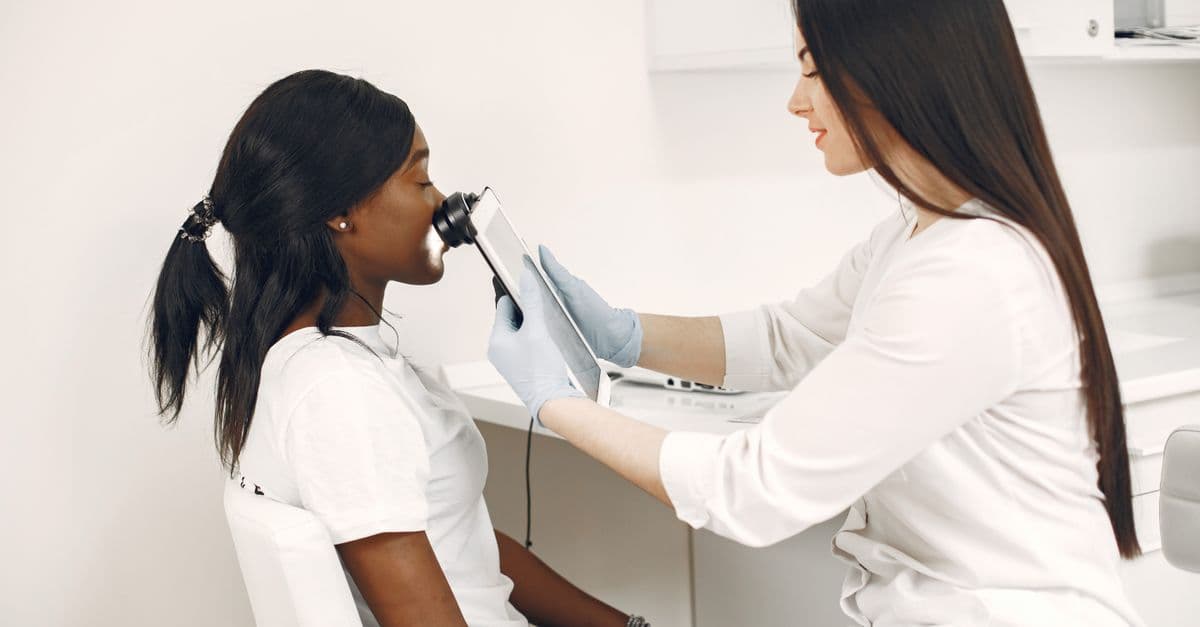
You can systematically evaluate acute and chronic musculoskeletal injuries using validated clinical protocols and generate detailed, defensible documentation that meets professional standards. Claude structures your examination findings, produces rehabilitation recommendations grounded in current evidence, and organizes complex injury data into clear reports suitable for medical records and insurance submission.
by pikkujs
You can conduct comprehensive assessments of team cohesion, identify specific dysfunctional group processes like poor communication or misaligned goals, and receive tailored intervention strategies grounded in organizational psychology research. The skill generates actionable recommendations that strengthen psychological safety, improve collaboration, and boost overall team performance.
by pikkujsYou can create comprehensive clinical assessment protocols, standardized documentation templates, and regulatory-compliant procedures tailored to your specialty or department. This skill automates the development of clinical forms, assessment checklists, and protocol workflows that ensure consistent, evidence-based practice across your organization.
by pikkujsCreate comprehensive mental performance interventions and psychological training programs tailored to individual athletes, teams, and sports contexts. You can assess athlete psychological profiles, design evidence-based mental skills training, develop sport-specific intervention strategies, and establish progress monitoring frameworks to enhance athletic performance through mental conditioning.
by pikkujs
Generate comprehensive injury assessments that analyze incident root causes, identify hazards, and quantify risk across your facility. Create detailed prevention protocols and return-to-work documentation that meet OSHA standards and occupational health regulations. Your plans integrate safety best practices with your specific workplace conditions to reduce incident rates and liability.
by pikkujs