


Evidence Synthesis for Dental Hygiene Research & Protocol Development
Synthesize clinical evidence into evidence-based dental hygiene protocols
What You Can Do
You can rapidly analyze multiple clinical research articles to identify patterns, consensus, and gaps in evidence. Claude helps you evaluate study quality, extract key outcomes, compare methodologies, and structure findings into clinical guidelines that withstand professional scrutiny. This accelerates protocol development and ensures your recommendations are grounded in current best practices.
Features
Extract key findings, sample sizes, and outcomes from multiple studies simultaneously
Evaluate study design quality, identify limitations, and compare methodological approaches
Spot areas of agreement across studies and flag controversial or conflicting findings
Rank recommendations by evidence quality (RCTs vs. observational studies) and applicability
Organize synthesized evidence into clinical decision trees and actionable treatment guidelines
Identify missing evidence and areas where current protocols lack research support
Assess competing treatment approaches (techniques, antimicrobials, intervals) side-by-side
Example Output
Example 1: Periodontal Maintenance Protocol Update
Input: 5 systematic reviews on maintenance intervals
Output:
- Consensus finding: 3–4 month intervals optimal for moderate-to-severe periodontitis
- Conflicting evidence: Antimicrobial adjuncts show modest benefit; unclear long-term cost-benefit
- Evidence quality: High for interval recommendations (multiple RCTs), moderate for antimicrobial protocols
- Recommendation: Update protocol to 3-month intervals; optional antimicrobial rinses for non-compliant patients
Example 2: Scaling Depth Evidence Review
Input: 4 studies comparing ultrsonicvs. hand scaling efficacy
Output:
- Key findings: Both techniques achieve similar biofilm removal; ultrasonic faster, hand scaling better for root sensitivity
- Methodology notes: 3 RCTs, 1 observational; sample sizes 45–120 patients
- Clinical recommendation: Use ultrasonic as first-line for efficiency; hand scaling for patients with sensitive roots or implants
- Evidence gaps: Long-term follow-up data limited; compliance variations not measured
What's Included
- SKILL.md instruction file with evidence synthesis workflow:
- Literature review template (study extraction form with standardized fields):
- Evidence quality assessment checklist (study design, sample size, bias indicators):
- Protocol development framework (moving from findings to clinical recommendations):
- Comparative findings matrix (side-by-side analysis template for competing approaches):
Who It's For
- Dental hygienists developing or updating clinical protocols for individual practices or clinic networks
- Dental hygiene educators preparing evidence-based curriculum or continuing education presentations
- Dental hygiene researchers conducting literature reviews for certification programs or professional publications
- Practice managers and dentists evaluating protocol changes proposed by hygiene teams
- Quality assurance leads in dental organizations standardizing hygiene procedures across multiple locations
Best For
- Synthesizing findings from 3+ clinical articles on a specific hygiene intervention
- Comparing study methodologies to understand evidence strength and applicability
- Resolving contradictory findings across multiple sources into actionable recommendations
- Building evidence hierarchies to justify protocol changes to stakeholders
- Identifying research gaps and areas where current protocols lack supporting evidence
You might also like
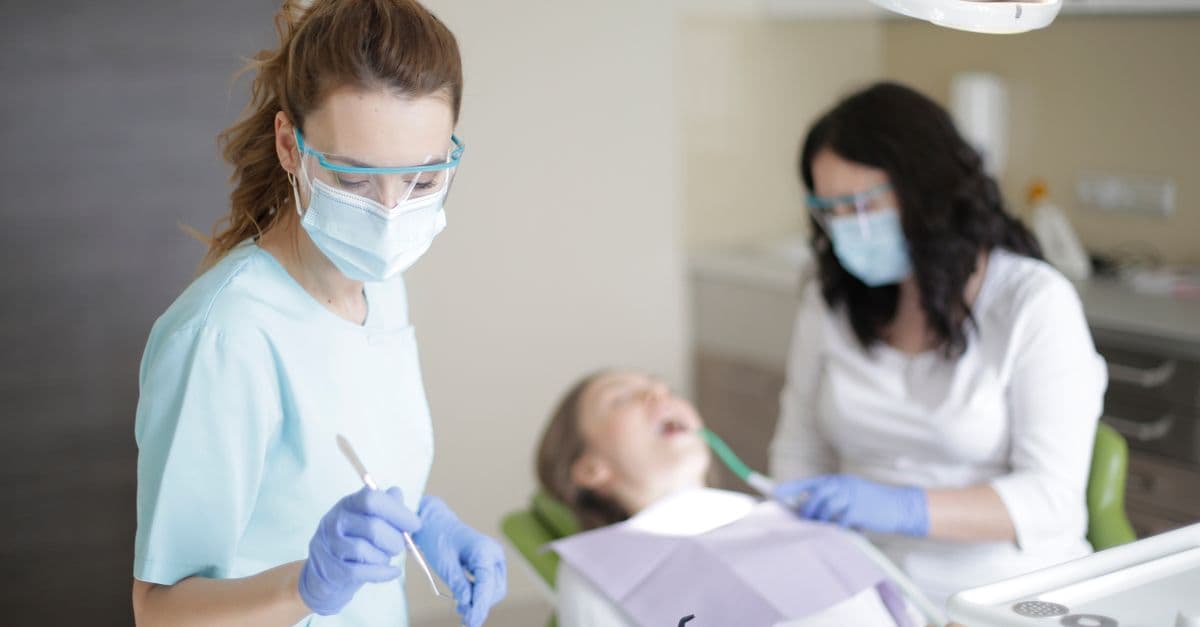
You can systematically develop phase-by-phase orthodontic treatment protocols that synthesize diagnostic data, patient anatomy, and mechanical principles. This skill generates detailed appliance selection recommendations, extraction vs. non-extraction analyses, wire progression sequences, and clinical milestones to guide efficient execution from initial placement through retention for complex malocclusions requiring three-dimensional control.
 by comeonoliver
You can generate complete treatment plans for traditional fixed appliance cases by integrating diagnostic data, skeletal/dental analysis, and biomechanical principles. Claude helps you structure extraction vs. non-extraction decisions, design anchorage control strategies, sequence mechanics systematically, and create patient-facing narratives that explain your clinical rationale. This skill is designed for moderate-to-complex cases where defensible clinical reasoning and treatment efficiency optimization are critical.
by comeonoliver
You can comprehensively analyze failed root canal cases to pinpoint why initial treatment didn't succeed—whether due to technical errors, anatomical challenges, or biological factors. Claude helps you develop systematic retreatment protocols, document clinical decision-making for peer review and medicolegal protection, and create patient-facing explanations of treatment failure mechanisms.
by comeonoliver
You can transform patient presentations into evidence-based crown and bridge treatment plans that account for clinical factors (tooth anatomy, bone support, opposing dentition), patient variables (budget, esthetics, longevity), and laboratory requirements. The skill guides systematic case analysis, material and design selection, treatment sequencing decisions, and generates patient-ready documentation to support informed consent and case acceptance.
by comeonoliver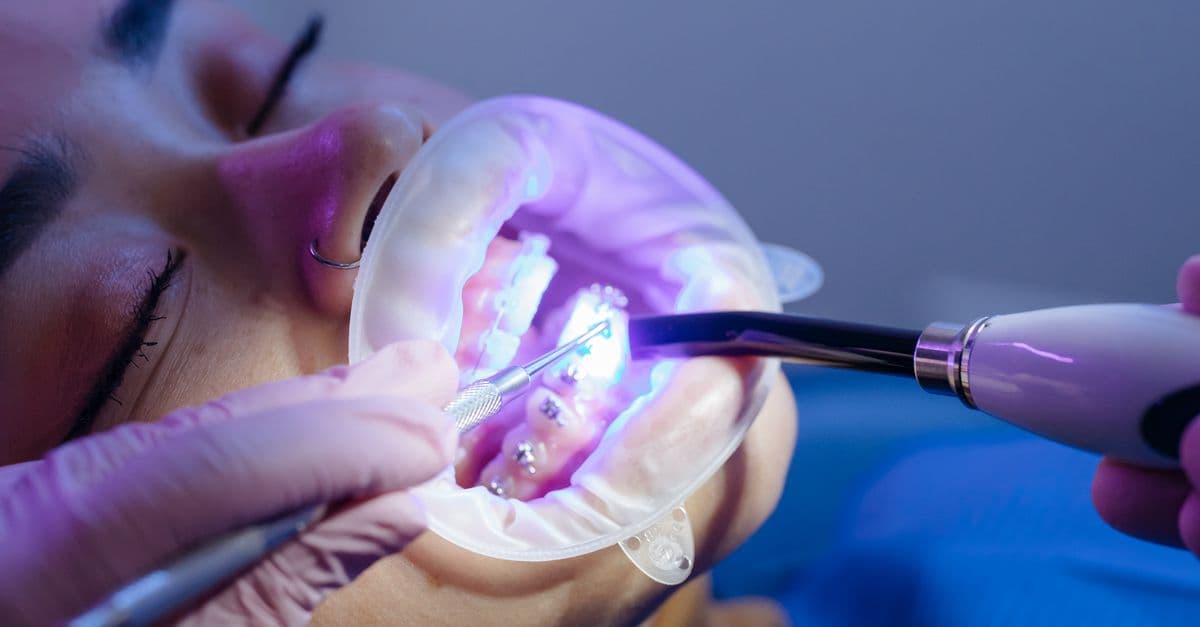
You can rapidly develop comprehensive pediatric orthodontic treatment plans that account for skeletal maturation stage, dentition phase, growth potential, and optimal timing for interceptive versus definitive intervention. The skill generates structured plans with parent education materials, compliance strategies, and evidence-based protocol selection tailored to each child's developmental stage and clinical presentation.
by comeonoliver
You can systematically assess acute dentoalveolar injuries using structured frameworks that classify fracture types, luxation stages, and avulsion status. The skill guides you through rapid determination of urgency tiers, identifies associated injuries requiring coordination with other specialties, and establishes evidence-based treatment timelines—all while generating standardized documentation for medico-legal purposes.
by comeonoliver
This skill walks you through systematic treatment planning for crown and bridge cases by integrating clinical variables—biomechanical principles, esthetic demands, material properties, patient factors, and financial constraints—into coherent treatment strategies. You'll receive structured decision-making frameworks for material selection, preparation geometry, span considerations, and detailed patient communication protocols that reduce clinical errors and improve predictability across single crowns, multi-unit bridges, complex esthetic cases, and implant-supported restorations.
by comeonoliver
You systematically develop comprehensive denture case plans by analyzing patient presentation data, classifying denture types, sequencing treatment phases, and generating detailed fabrication specifications. The skill guides you through material selection, esthetic requirement documentation, and clinical intent capture—producing standardized documentation that ensures your laboratory partner understands your clinical vision and reduces remake cycles.
by comeonoliver