

5G/LTE Network Configuration Analyzer
Analyze 5G/LTE configs and optimize network performance in minutes

What You Can Do
You can upload or describe your network configuration and receive detailed analysis of performance bottlenecks, spectrum efficiency, and capacity constraints. The skill generates technical optimization reports with actionable recommendations for improving throughput, reducing latency, and enhancing coverage. You'll also get interference detection, signal quality assessments, and capacity planning guidance based on your specific deployment parameters.
Features
Automatically analyze 5G/LTE network configurations from vendor formats, proprietary systems, or descriptive text to identify key parameters and settings
Diagnose root causes of connectivity issues, throughput degradation, and latency problems by correlating configuration parameters with performance symptoms
Evaluate bandwidth allocation, frequency band utilization, and spectrum sharing strategies to identify optimization opportunities and reduce congestion
Project network capacity requirements based on current load, forecast growth scenarios, and provide recommendations for resource allocation and expansion
Identify potential interference sources between cells, adjacent frequencies, and co-channel transmitters with mitigation strategies
Evaluate RSRP, RSRQ, SINR, and other radio metrics to identify coverage gaps and optimize antenna positioning and power settings
Generate executive summaries, detailed technical reports, and visual diagrams showing network topology, bottlenecks, and recommended improvements
Example Output
Sample Network Analysis Report
Configuration Summary
- Cell ID: B1-S2-C3, Frequency: 3.5 GHz, Bandwidth: 100 MHz
- Current Users: 1,240, Peak Throughput: 450 Mbps
- SINR Distribution: 85% above 10 dB, 15% below 8 dB
Key Findings
- Capacity constraint detected in high-traffic zones (11-14 UTC)
- Inter-cell interference from Site B2 causing 3-5 dB SINR degradation
- 12% spectrum underutilization in adjacent frequency band
Recommendations (Priority Order)
- Increase RRH power at B1-S2-C3 by 2 dB to improve edge coverage
- Implement frequency coordination with B2 to reduce interference
- Allocate reserved spectrum during peak hours to increase capacity by 30%
- Optimize antenna downtilt from 8 to 6 degrees (estimated 5 dB RSRP improvement)
Projected Impact: 45% throughput improvement, 60% reduction in low-signal areas
What's Included
- Network Configuration Parser: Tool to convert network configuration files and parameters into analyzable format, supporting multiple vendor formats and manual input
- Performance Analysis Engine: Evaluates RF metrics, capacity constraints, interference patterns, and signal quality to identify bottlenecks and failure points
- Optimization Recommendation Generator: Produces prioritized, implementation-ready suggestions for configuration changes, power adjustments, and spectrum reallocation
- Technical Report Templates: Professional report formats including executive summary, detailed analysis, network diagrams, and visual performance charts
- Capacity Forecasting Tool: Projects future network requirements based on traffic trends, growth scenarios, and user density forecasts
Who It's For
- Radio Access Network (RAN) Engineers
- Telecom Operations Teams
- Network Optimization Specialists
- Infrastructure Architects
- Wireless Deployment Managers
Best For
- Network performance troubleshooting and root cause analysis
- Capacity planning and resource allocation optimization
- Interference identification and mitigation strategy development
- Configuration audit and best-practices validation
- Pre-deployment network design review and optimization
You might also like

You upload OTDR (Optical Time Domain Reflectometer) test traces or raw test data, and this skill interprets the results to identify fault locations, measure signal degradation, and recommend remediation steps. It accelerates troubleshooting by automating trace analysis and generating professional diagnostic reports that pinpoint connector losses, splice issues, and cable faults with exact distance measurements.
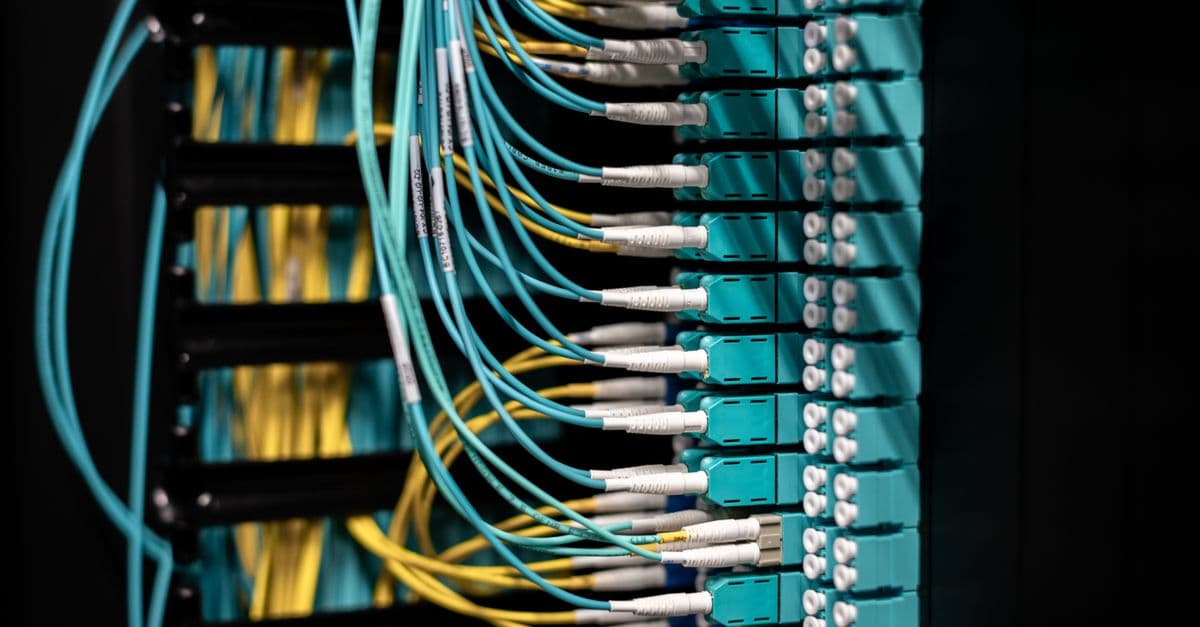
You can upload fiber optic test data (OTDR, reflectance, attenuation measurements) and receive automated analysis with root cause identification, performance metrics, and optimization recommendations. The skill generates professional troubleshooting reports highlighting problem areas, estimated repair costs, and compliance status against industry standards like TIA-942 and IEC 60793.

Get a complete data center network architecture designed from scratch or optimized from your existing setup. You provide your requirements (scale, workload, compliance), and Claude analyzes technical constraints, evaluates design patterns, generates detailed architecture diagrams, validates against compliance standards, and identifies optimization opportunities. The result is a production-ready network design with cost-benefit analysis and implementation roadmap.

Calculate complete microwave link budgets including transmit power, antenna gains, path losses, noise figures, and system margins. Analyze RF component performance specifications, verify atmospheric conditions, and predict link availability. Generate structured design documentation with verification checklists and performance recommendations.

This skill assesses electromagnetic compatibility and interference risks in your product design, identifies compliance gaps against international standards (FCC, CE, RoHS), and generates targeted mitigation strategies. You get a structured compliance roadmap with design recommendations, test planning guidance, and regulatory requirements specific to your product category and target markets.

This skill helps you design efficient fiber optic network routes, estimate project costs, map regulatory compliance requirements, and generate comprehensive deployment documentation. You get detailed route analysis, material cost breakdowns, timeline estimates, and compliance checklists that accelerate planning while reducing risk and identifying cost-saving opportunities.

You can evaluate WAN technologies (MPLS, SD-WAN, DIA, broadband), design resilient multi-site architectures, perform detailed cost-benefit analysis, and assess technology and operational risks. Claude helps you create comprehensive network design recommendations with topology diagrams, technology comparisons, ROI projections, and implementation roadmaps tailored to your business requirements and constraints.

Get expert guidance on antenna design, from type selection to performance optimization. This skill walks you through electromagnetic calculations, feed network analysis, and construction considerations to help you design antennas that meet your frequency, gain, and bandwidth requirements. Whether you're working with microstrip patches, dipoles, or horn antennas, you'll receive step-by-step design recommendations tailored to your specifications.