

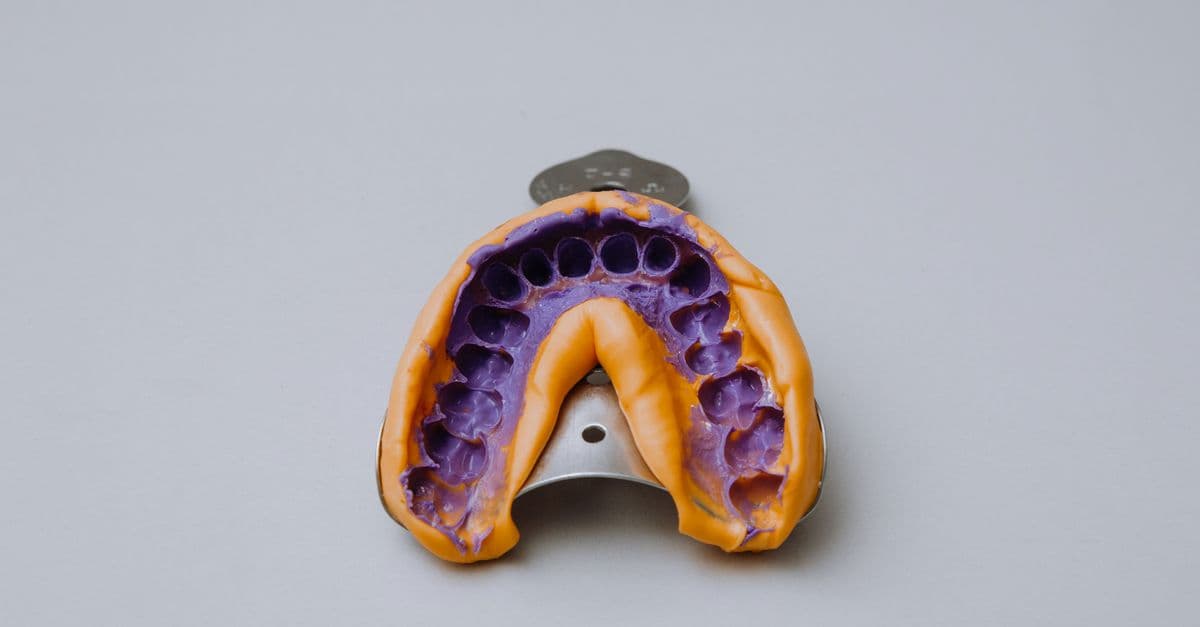
Denture Case Treatment Planner
Plan denture cases with systematic diagnostic protocols and evidence-based treatment sequencing.
What You Can Do
You can systematically analyze complex denture cases by inputting patient demographics, clinical findings, diagnostic imaging, and functional/esthetic requirements into Claude. The skill generates detailed treatment plans that include case complexity assessment, sequencing logic, prosthodontic approach selection, and risk mitigation strategies. Claude produces documentation suitable for insurance justification, referral communication, and team case presentations.
Features
consolidates intraoral findings, ridge anatomy assessment, vertical dimension analysis, and parafunctional habit evaluation into structured diagnostic summary
evidence-based logic for selecting between complete denture, removable partial denture, and implant-supported approaches based on patient-specific factors
prioritizes clinical phases from patient conditioning through final delivery, accounting for healing timelines and intermediate adjustments
categorizes cases as routine, moderate, or complex with specific management modifications for each tier
identifies medical, anatomical, behavioral, and compliance factors that may compromise outcomes and suggests mitigation tactics
generates justification narratives for treatment selection suitable for carrier submission and specialist communication
structured talking points translating clinical rationale into patient-friendly language for informed consent
estimates success likelihood based on case factors with specific performance indicators for monitoring
Example Output
Example 1: Complex Maxillary Case
- Chief complaint: Severely resorbed maxilla, existing dentures 8 years old
- Complexity tier: Complex (multiple factors: Class VI ridge resorption, severe VDO loss, parafunctional grinding)
- Recommended approach: Complete maxillary denture with tissue-conditioned base, implant assessment for retention if patient accepts surgical option
- Sequencing: Ridge resorption documentation → surgical implant consultation (parallel track) → maxillary denture fabrication with interim adjustment phase → 6-month final adjustment after ridge stabilization
- Risk factors identified: Ridge resorption progression (monitor annually), parafunctional habit management required, retention challenge due to anatomy
- Success indicators: Retention measured at delivery, patient comfort at 2-week mark, chewing efficiency improvement documented at 6 weeks
Example 2: Partial Denture Decision Documentation
- Patient: 58-year-old with posterior maxillary tooth loss, adequate ridge height, good oral hygiene
- Complexity tier: Moderate (stable ridge, cooperative patient, esthetic concern primary)
- Approach options analyzed: Removable partial denture vs. implant-supported replacement
- Selected approach: RPD with esthetic clasping and precision rest seats due to patient preference and anatomy
- Justification for insurance: RPD indicated due to remaining tooth support anatomy and patient candidacy; implants deferred pending patient financial reassessment
What's Included
- SKILL.md instruction file: complete skill system with diagnostic protocols and decision logic
- Case Assessment Checklist: structured form capturing clinical findings, patient factors, and diagnostic data required for planning
- Treatment Sequencing Template: phase-by-phase timeline with duration estimates and clinical checkpoints
- Complexity Stratification Rubric: matrix for categorizing cases and selecting appropriate management modifications
- Insurance Justification Framework: narrative templates for carrier documentation and specialist referral communication
Who It's For
- Prosthodontists planning complex denture cases requiring systematic diagnostic integration and evidence-based sequencing
- General dentists managing denture cases and needing structured consultation documentation for insurance/referral purposes
- Dental residents or postgraduates developing case presentation and clinical reasoning skills in prosthodontics
- Prosthodontic clinic directors implementing standardized case planning protocols and quality assurance documentation
- Dental team members preparing patients for informed consent with structured clinical rationale
Best For
- Complex denture cases with multiple complicating factors (severe ridge resorption, vertical dimension loss, parafunctional habits)
- Cases requiring insurance justification or specialist referral documentation with clinical evidence
- Comparative treatment planning when multiple prosthodontic approaches are viable
- Patient communication and informed consent scenarios with complex clinical rationale
- Case presentations for team discussion, mentoring, or continuing education
You might also like

You'll work with Claude to systematically define your minimum viable product scope, identify and validate core business assumptions, and create prioritized feature matrices that guide development. This skill helps you make data-informed decisions about what to build first, reducing time-to-market and avoiding costly feature overbuilds.
 by restuhaqza
You can structure comprehensive pre-surgical assessments for complex implant cases that involve bone deficiencies, previous trauma, ablative surgery, or extensive soft tissue management. The skill guides you through bone volume and quality evaluation, surgical-prosthetic coordination protocols, and generates detailed prosthetic specifications that ensure seamless communication between surgical and restorative teams while setting realistic patient expectations.
by restuhaqza
You systematically develop comprehensive denture case plans by analyzing patient presentation data, classifying denture types, sequencing treatment phases, and generating detailed fabrication specifications. The skill guides you through material selection, esthetic requirement documentation, and clinical intent capture—producing standardized documentation that ensures your laboratory partner understands your clinical vision and reduces remake cycles.
 by comeonoliver
This skill builds and validates complex SaaS financial models, testing pricing strategies under different market conditions. You get scenario-based analysis that isolates profitability levers, calculates unit economics with precision, and generates insights ready for leadership review. Claude transforms your model assumptions into actionable strategy recommendations with ranked outcomes.
by restuhaqza
You can create detailed financial projections for your SaaS business, modeling multiple revenue streams, pricing strategies, and growth scenarios. The skill helps you understand unit economics, calculate break-even points, and forecast ARR/MRR with built-in scenarios for different market conditions and customer acquisition strategies.
by restuhaqza
This skill helps you create dynamic financial models that forecast SaaS revenue, optimize pricing strategies, and stress-test business assumptions. You'll generate models that account for customer acquisition costs, churn rates, expansion revenue, and multiple pricing tiers. Get actionable insights into growth scenarios, unit economics, and profitability targets to guide strategic decisions.
by restuhaqza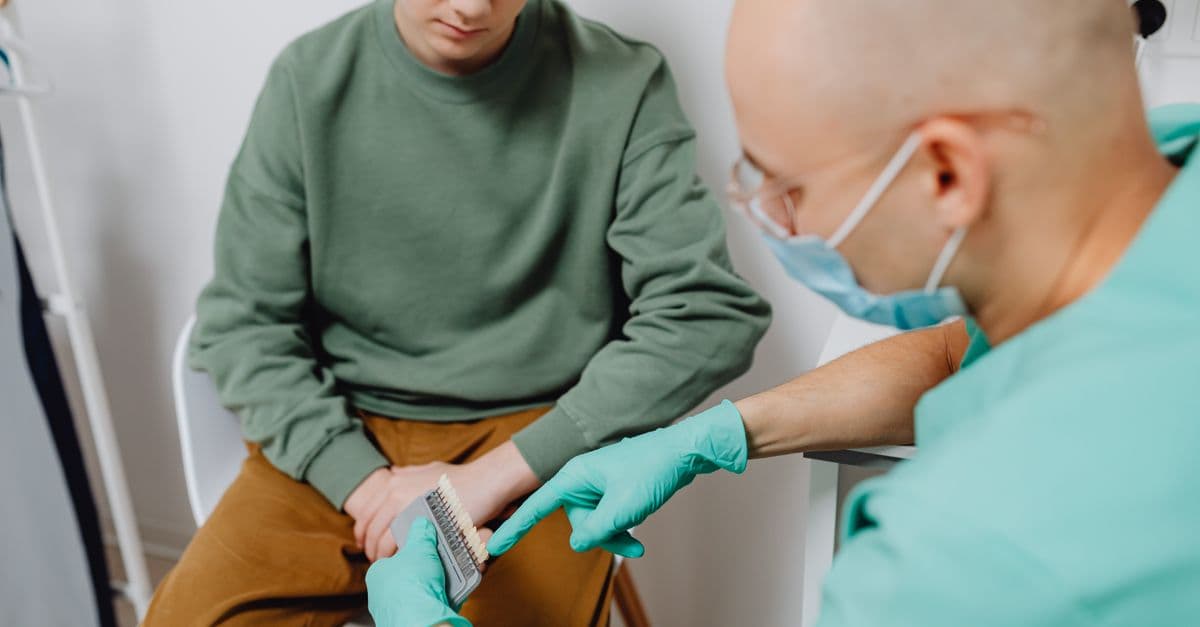
You can conduct thorough cosmetic case analysis by evaluating smile design principles, identifying anatomical limiting factors, and sequencing treatment options. Claude helps you develop detailed case presentations with clinical rationale, patient communication documents, and preauthorization documentation—transforming complex aesthetic cases into clear treatment narratives that justify recommendations and set realistic expectations.
by restuhaqza
You'll create customized patient education materials that speak directly to each patient's specific oral health challenges, literacy level, and learning style. Instead of generic handouts, you generate targeted content that explains the 'why' and 'how' of effective home care—addressing interproximal plaque, xerostomia, periodontitis, implant care, or post-surgical recovery. The skill ensures your materials align with current clinical evidence while remaining accessible and motivating.
by restuhaqza