

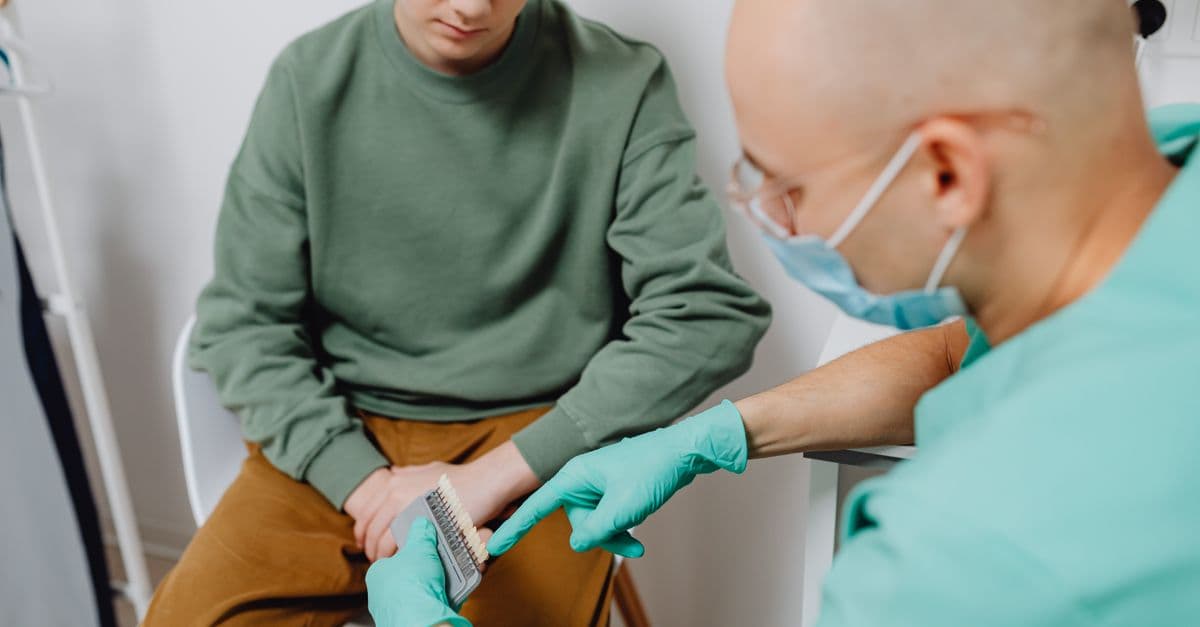
Cosmetic Case Planning & Treatment Analysis
Analyze cosmetic cases and generate detailed treatment plans with predictable outcomes.
What You Can Do
You can conduct thorough cosmetic case analysis by evaluating smile design principles, identifying anatomical limiting factors, and sequencing treatment options. Claude helps you develop detailed case presentations with clinical rationale, patient communication documents, and preauthorization documentation—transforming complex aesthetic cases into clear treatment narratives that justify recommendations and set realistic expectations.
Features
Evaluate dentolabial relationships, buccal corridors, gingival zenith, and incisor display against patient anatomy
Identify skeletal, dentoalveolar, and soft tissue limiting factors that constrain aesthetic options
Evaluate pros/cons of multiple sequencing options (e.g., ortho-first vs. immediate restorative)
Generate patient-facing treatment proposals with visual reference points and realistic outcome expectations
Create insurance preauthorization narratives explaining medical necessity and sequencing logic
Coordinate cosmetic, orthodontic, restorative, and periodontal considerations into unified treatment sequence
Systematically identify and document anatomical constraints and realistic endpoint expectations
Analyze cases not meeting goals and propose diagnostic or treatment modifications
Example Output
Example 1: Smile Design Analysis
Input: Patient with severe buccal corridor display, short clinical crowns, and high gingival line.
Output:
- Primary aesthetic concern: Narrow smile with excessive gingival display
- Limiting factors: Hyperdivergent skeletal pattern, short clinical crown dimensions, high smile line (>3mm gingival display)
- Treatment options: (1) Orthodontic intrusion + gingivectomy + porcelain veneers; (2) Immediate veneers with gingival contouring only
- Recommended pathway: Ortho-first (6-8 months) to establish normal incisor-to-gingival ratio before restorative work
- Patient communication point: "Orthodontics will create better proportions and allow us to minimize visible gum tissue."
Example 2: Complex Multi-Discipline Case
Input: Patient with severe anterior wear, missing tooth, misaligned midline, and desire for whiter smile.
Output:
- Phase 1 (Weeks 1-2): Comprehensive records, shade selection, whitening initiation
- Phase 2 (Weeks 3-6): Orthodontic alignment (8 weeks total) to correct midline and establish proper incisor angulation
- Phase 3 (Week 10): Implant placement for missing tooth; temporary restoration
- Phase 4 (Weeks 14-16): Definitive porcelain veneers + implant crown after osseointegration
- Clinical rationale: Sequential approach prevents compromised implant emergence angles and ensures optimal restoration alignment
What's Included
- SKILL.md instruction file: Complete cosmetic case planning methodology
- Smile Design Assessment Template: Guided framework for evaluating dentolabial relationships and aesthetic principles
- Treatment Pathway Comparison Worksheet: Side-by-side pros/cons analysis for multiple treatment sequences
- Patient Communication Document Template: Pre-formatted cosmetic case presentation for chairside and take-home use
- Insurance Preauthorization Narrative Template: Clinical rationale documentation for treatment justification
- Limitation & Expectation Counseling Checklist: Systematic list of anatomical constraints to document and discuss with patients
Who It's For
- General Dentists performing cosmetic treatments (veneers, whitening, smile makeovers) who need systematic planning methodology
- Cosmetic Specialists/Prosthodontists managing complex multi-discipline cases requiring sequencing and coordination
- Dental Practice Owners seeking to improve case acceptance rates and treatment planning documentation
- Dental Residents/Associates learning systematic approach to cosmetic case analysis and presentation
- Dental Team Leaders mentoring clinicians on case analysis methodology and patient communication
Best For
- Comprehensive smile makeover planning (ortho + restorative + periodontal integration)
- Veneer case sequencing and design planning
- Implant placement cases requiring aesthetic emergence profile analysis
- Anterior wear/attrition case rehabilitation
- Insurance preauthorization documentation for cosmetic/reconstructive cases
- Patient communication documents and treatment proposal presentations
- Complex cases requiring multiple treatment pathway comparison and justification
You might also like

You'll work with Claude to systematically define your minimum viable product scope, identify and validate core business assumptions, and create prioritized feature matrices that guide development. This skill helps you make data-informed decisions about what to build first, reducing time-to-market and avoiding costly feature overbuilds.
 by restuhaqza
You can structure comprehensive pre-surgical assessments for complex implant cases that involve bone deficiencies, previous trauma, ablative surgery, or extensive soft tissue management. The skill guides you through bone volume and quality evaluation, surgical-prosthetic coordination protocols, and generates detailed prosthetic specifications that ensure seamless communication between surgical and restorative teams while setting realistic patient expectations.
by restuhaqza
This skill builds and validates complex SaaS financial models, testing pricing strategies under different market conditions. You get scenario-based analysis that isolates profitability levers, calculates unit economics with precision, and generates insights ready for leadership review. Claude transforms your model assumptions into actionable strategy recommendations with ranked outcomes.
by restuhaqza
You'll systematically analyze facial and dental aesthetics using structured assessment frameworks that evaluate buccal corridors, gingival zenith, incisal guidance, and facial proportions. Claude generates detailed clinical documentation explaining design rationale, multiple treatment options, realistic timelines, and expected outcomes—bridging the gap between your clinical analysis and patient understanding to reduce revisions and improve case acceptance rates.
 by comeonoliver
You can create detailed financial projections for your SaaS business, modeling multiple revenue streams, pricing strategies, and growth scenarios. The skill helps you understand unit economics, calculate break-even points, and forecast ARR/MRR with built-in scenarios for different market conditions and customer acquisition strategies.
by restuhaqza
This skill helps you create dynamic financial models that forecast SaaS revenue, optimize pricing strategies, and stress-test business assumptions. You'll generate models that account for customer acquisition costs, churn rates, expansion revenue, and multiple pricing tiers. Get actionable insights into growth scenarios, unit economics, and profitability targets to guide strategic decisions.
by restuhaqza
You can develop systematic cosmetic treatment plans that synthesize facial analysis principles, tooth morphology guidelines, and material science. Claude produces actionable esthetic analyses, treatment sequencing protocols, shade and material recommendations, and patient communication assets—enabling you to present predictable outcomes that align clinical vision with patient expectations and lab execution.
by comeonoliver
You'll create customized patient education materials that speak directly to each patient's specific oral health challenges, literacy level, and learning style. Instead of generic handouts, you generate targeted content that explains the 'why' and 'how' of effective home care—addressing interproximal plaque, xerostomia, periodontitis, implant care, or post-surgical recovery. The skill ensures your materials align with current clinical evidence while remaining accessible and motivating.
by restuhaqza