


Spectral Data to Formulation Translator
Convert spectral data into pigment blending ratios and formulation adjustments

What You Can Do
You can input spectral reflectance data, Lab* values, and Delta E measurements to receive specific pigment concentration adjustments and blending ratios. The skill interprets color differences within product tolerances, diagnoses metamerism failures across light sources (D65, TL84, A), and prioritizes formulation changes when multiple adjustments are needed—all while maintaining regulatory compliance documentation.
Features
Evaluates color differences against product-specific tolerances and determines if adjustments are necessary
Identifies color matching failures under different light sources and recommends pigment substitutions to fix observer-dependent mismatches
Forecasts how multi-component colorant systems interact and adjusts concentrations to prevent unwanted color shifts
Prioritizes cost-effective pigment changes while maintaining color accuracy across the visible spectrum
Interprets full spectral data to diagnose which pigments are over- or under-performing in specific wavelength regions
Tests formulation adjustments against D65, TL84, and A illuminants to ensure cross-lighting compliance
Generates structured change records with before/after spectral data and CIE metric shifts for compliance workflows
Example Output
Input: Target Lab* (50, -2, 5) vs. Actual (51, 1, 8) with ΔE = 3.8 (tolerance ±2.0); pigment blend is 15% CI Pigment Red 254 + 8% CI Pigment Yellow 83 + 77% base.
Output:
- ΔE Status: Out of tolerance (3.8 > 2.0); correction required
- Issue diagnosis: +3 in a* (excess red/magenta), +3 in b* (excess yellow)
- Adjustment priority: Reduce CI Pigment Red 254 from 15% → 13.5% (−1.5%); reduce CI Pigment Yellow 83 from 8% → 7% (−1%); increase base to 79.5%
- Predicted result: Lab* (50.2, −1.8, 5.1) ΔE = 0.3
- Metamerism check: D65 ΔE = 0.3 ✓ | TL84 ΔE = 0.4 ✓ | A ΔE = 0.6 ✓
- Documentation: Reduction in both colorants lowers formulation cost by ~2% while improving color accuracy across all standard light sources.
What's Included
- SKILL.md instruction file: Complete workflow for translating spectral data to formulations
- Colorimetry reference table: CIE standard illuminants, Delta E tolerance guidelines by product category (cosmetics, coatings, textiles)
- Pigment interaction matrix: Quick-reference guide for common pigment combinations and their predictable color shifts
- Reflectance curve interpretation checklist: Wavelength-by-wavelength diagnostic template
- Metamerism troubleshooting flowchart: Decision tree for diagnosing and correcting observer-dependent color failures
Who It's For
- Color scientists optimizing pigment formulations for cosmetics, coatings, or textiles using spectrophotometer data
- Formulation chemists translating lab-measured color data into actionable blend adjustments without extensive trial-and-error
- Quality assurance specialists validating color corrections across multiple light sources before production sign-off
- Product developers in beauty, automotive coatings, or industrial paints needing rapid formulation iteration with regulatory compliance
Best For
- Converting spectral reflectance data into specific pigment concentration changes
- Diagnosing and correcting metamerism failures across D65, TL84, and A illuminants
- Optimizing multi-pigment blends (3+ colorants) for cost and color accuracy simultaneously
- Generating before/after documentation for regulatory submissions and quality records
- Prioritizing formulation adjustments when multiple pigment changes are needed
You might also like

This skill provides color scientists with a structured methodology to evaluate formulation changes, predict pigment behavior across storage conditions, and optimize undertones and saturation without compromising batch consistency. You'll transform ingredient data and stability test results into actionable recommendations that satisfy regulatory bodies, internal stakeholders, and manufacturing constraints.
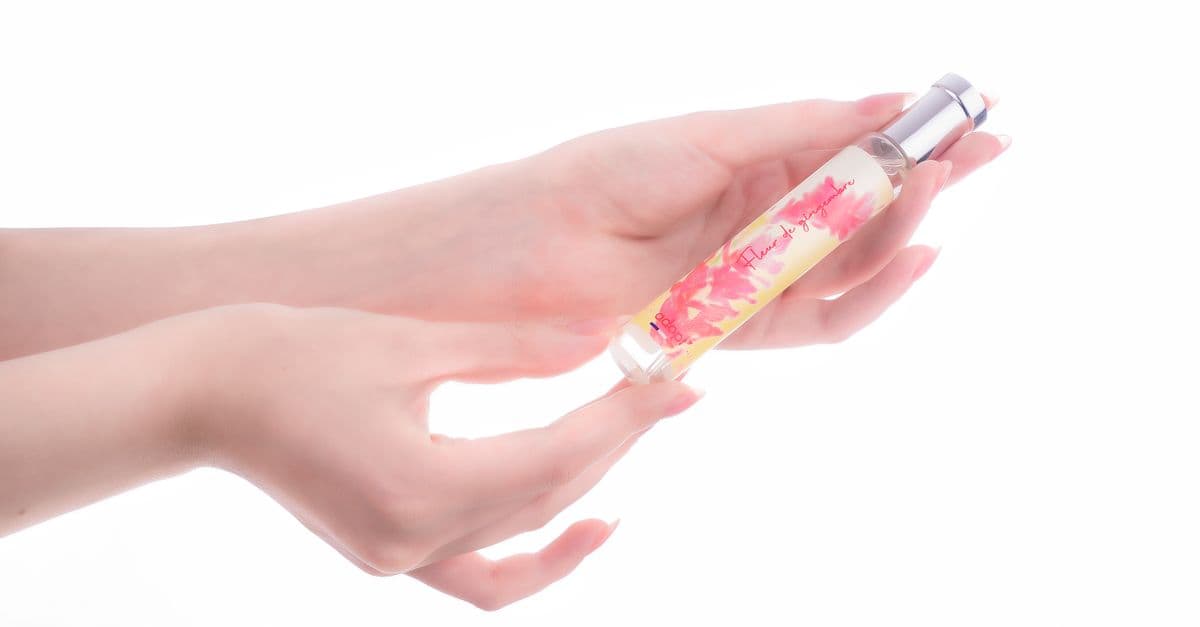
You can systematically design fine fragrance compositions from brief to finished formulation by applying olfactory pyramid theory, ingredient synergy analysis, and sensory profiling. The skill helps you balance competing demands—longevity versus freshness, cost versus quality, trend versus timelessness—while documenting the creative rationale behind every decision. You'll generate detailed composition briefs, test formulation concepts, iterate on multi-note structures, and create documentation suitable for team handoff, client approval, or regulatory submission.

You can evaluate crypto trading signals across multiple timeframes, recognize recurring chart patterns, and assess market sentiment to validate entry points. The framework consolidates technical indicators, volume analysis, and price action into a structured decision-making process that filters noise and highlights high-confidence setups.

You can translate color targets (CIEXYZ, ΔE tolerances) into precise pigment combinations, analyze spectrophotometric measurements to predict undertones and metamerism risk, and diagnose coating defects through structured problem-solving. The skill helps you document formulation changes with technical rationale, evaluate pigment substitutions, and optimize competing demands like color accuracy, hide, and cost—all while considering binder compatibility, particle size distribution, and application method requirements.

You can rapidly validate fragrance concepts by analyzing market fit across five critical dimensions: consumer demand alignment with emerging trends, competitive white space and differentiation opportunities, regulatory compliance barriers by geography, price positioning within your target segment, and psychographic targeting precision. The skill delivers a structured go/no-go assessment with specific improvement recommendations, helping you eliminate non-viable concepts early and accelerate promising ones toward formulation.

You can rapidly translate marketing briefs and consumer research into technical fragrance formulations complete with competitive positioning, bill of materials, cost breakdowns, and manufacturing feasibility assessments. The skill systematizes how consumer positioning, regulatory constraints, and production economics determine aromatic compositions—enabling you to move from brief to supplier-ready formulation specifications without guesswork.

You can develop new paint formulations from performance briefs, troubleshoot color matching failures and metamerism issues, optimize rheological properties for specific application methods, and diagnose pigment settling and compatibility problems. Claude guides you through colorimetric analysis, viscosity balancing, pigment chemistry optimization, and formulation scaling while maintaining reproducibility and regulatory compliance.

You can develop new paint formulations from color standards or competitor samples, optimize existing recipes for cost reduction while maintaining performance, troubleshoot color drift and adhesion failures during scale-up, and match CIE Lab* targets with available pigments. The skill guides you through pigment loading calculations, viscosity control, dispersant chemistry, and creates production-ready documentation including formula cards and technical datasheets.