


Wire Rigging Safety Analysis & Pre-Shoot Verification
Analyze wire rigging setups for safety risks and technical compliance before filming

What You Can Do
You can assess wire rigging setups across multiple safety dimensions—load capacity calculations, anchor point stress distribution, swing angle risks, performer clearance zones, and regulatory compliance. The skill evaluates both standard configurations and complex multi-performer scenarios, identifying failure points and mitigation strategies before filming begins. You'll generate documented safety assessments suitable for crew briefings, incident prevention planning, and location-specific risk evaluation.
Features
Calculate maximum safe loads for anchor points, rigging hardware, and performer combinations based on equipment specifications and safety factors
Map rigging swing zones, object collision risks, and performer proximity hazards in 3D space using location dimensions
Evaluate load sharing across multiple anchor points and identify over-stressed connection points that exceed rated capacity
Analyze pendulum motion, rope tension changes, and performer acceleration vectors to identify dynamic stress conditions
Verify rigging against OSHA standards, industry best practices, and production-specific safety protocols
Rank identified hazards by severity and likelihood to focus mitigation efforts on critical failure scenarios
Assess combined weight, interaction sequences, and timing dependencies in group wire work configurations
Factor equipment age, maintenance history, and degradation into safety calculations and retirement recommendations
Example Output
Example 1: Flying Rig Assessment
Rig Configuration: Single-point flying rig, performer weight 165 lbs, anchor to stage grid
✓ Anchor point: Rated 2000 lbs (14× safety margin) — APPROVED ✓ Rope diameter: 3/8" polyester (2200 lbs WLL) — APPROVED ✓ Swing clearance: 8 ft radius checked against grid obstacles — APPROVED ⚠ Dynamic load calculation: 2.3× static weight at arc peak (380 lbs equivalent tension) — MONITOR
Recommendation: Proceed with standard safety protocols. Brief performer on pendulum feel during first test flight.
Example 2: Descender Rig with Obstacles
Configuration: Vertical descent from 40 ft, performer 148 lbs, practical building interior with electrical lines
✗ Clearance violation: 18" minimum required; only 12" clearance to electrical conduit at 25 ft height ⚠ Anchor load: 185 lbs (within 1500 lb capacity) but descent path crosses sightline obstacle
Mitigation Required: Relocate descent anchor 6 ft stage left OR clear electrical line path before rigging.
Example 3: Two-Performer Transfer Rig
Configuration: Swing-to-platform transfer, combined 298 lbs, 12 ft swing arc
✓ Combined load: 298 lbs (19× safety margin on 5500 lb anchor) ⚠ Timing synchronization: 0.8 second transfer window requires precise performer hand-off ✓ Platform clearance verified for approach angle
Safety Note: Requires two spotters positioned at platform edges. Test swing with sandbags before performer load.
What's Included
- SKILL.md instruction file: Complete rigging safety analysis framework and evaluation methodology
- Rigging Assessment Template: Structured checklist for documenting anchor points, loads, clearances, and hazard ratings
- Load Calculation Worksheet: Pre-formatted calculations for static/dynamic loads, rope capacity, and safety factors
- Clearance Verification Checklist: Spatial mapping template for swing zones, approach angles, and obstacle identification
- Multi-Performer Scenario Planner: Interaction sequence timing, combined load assessment, and contingency protocols
Who It's For
- Stunt Coordinators — Planning and verifying wire rigging safety before performer suspension and execution
- Set Safety Managers — Conducting pre-production safety assessments and documentation for compliance
- Rigging Department Leads — Evaluating crew-designed configurations against regulatory and insurance requirements
- First AD / Production Managers — Understanding rigging risk factors for schedule and budget impact assessment
- Wire Work Instructors — Teaching risk evaluation methodology to new stunt performers and riggers
Best For
- Pre-production rigging planning — Identifying design flaws before equipment installation and performer involvement
- Location-specific risk assessment — Adapting rigging to unfamiliar venues, practical buildings, and outdoor environments
- Multi-performer coordination — Evaluating group flights, transfers, and interaction sequences with timing dependencies
- Troubleshooting active production issues — Analyzing performer discomfort, equipment concerns, or balance problems during setup
- Safety documentation and briefings — Creating crew-facing hazard assessments and incident prevention protocols
You might also like

You can rapidly conduct script breakdowns that isolate key production needs, anticipate scheduling bottlenecks, and identify directorial challenges specific to episodic television timelines. This skill translates script analysis into clear technical and creative briefs for your department heads, ensuring alignment on blocking, special requirements, and shot prioritization before principal photography begins.

You can convert creative briefs into 3-5 distinct visual direction options complete with mood boards, color palettes, and art direction specifications within 48-72 hours. The skill helps you reconcile conflicting stakeholder preferences, establish design hierarchies that reinforce brand messaging, and identify practical production constraints before costly set construction begins. You'll generate presentation-ready assets that demonstrate how product placement, lighting, set dressing, and color strategy work together to achieve commercial objectives.
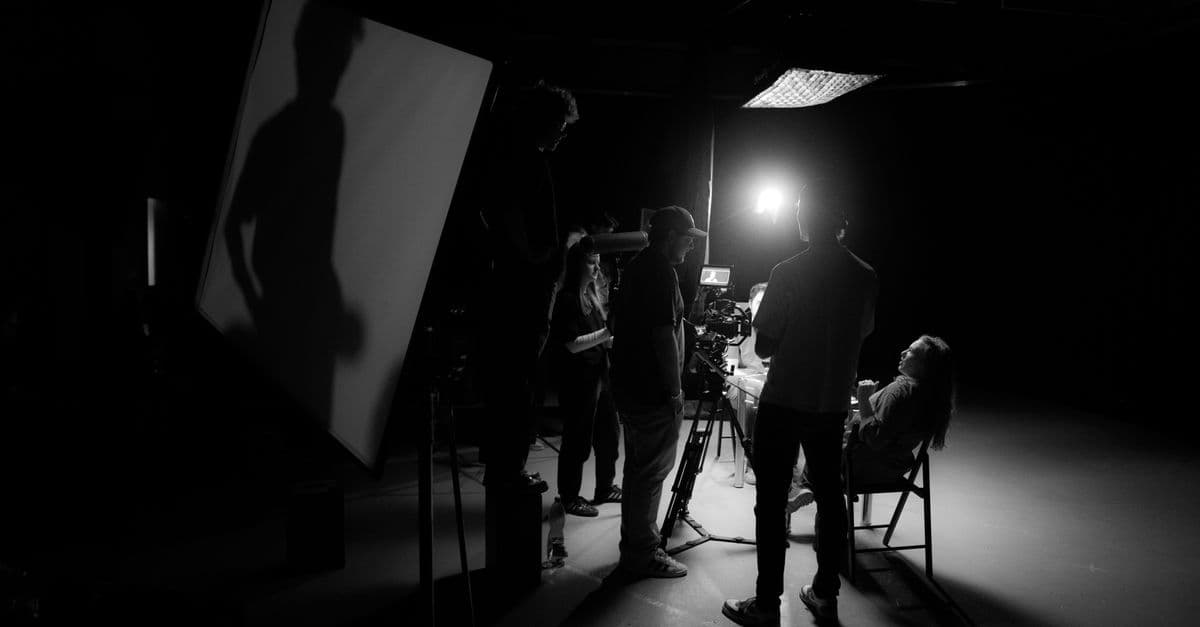
You can feed Claude any commercial script and receive a complete production breakdown that coordinates all departments while respecting budget and timeline constraints. Claude identifies every shot requirement, location need, talent direction, and scheduling opportunity—systematically flagging production challenges and cost-saving strategies that maintain creative impact. This eliminates manual breakdown work and ensures nothing falls through the cracks in compressed pre-production windows.

You can convert TV scripts into comprehensive production breakdowns that identify every requirement—cast, locations, effects, equipment, and crew days—and translate them into detailed department budgets. This skill captures TV-specific variables like episode length, multi-camera vs. single-camera formats, and weekly production cycles to produce line-item budgets suitable for internal planning and investor presentations.

You can rapidly generate detailed costume specification sheets with measurements, fabric selections, trim details, and dyeing instructions ready for construction teams. The skill helps you research period-accurate details for any historical era or fictional world, then translates that research into actionable design documents. You'll also create quick-change coordination sheets that sync with choreography timing, solve movement compatibility issues before construction, and develop sustainable costume solutions within budget constraints.

Convert scripts into comprehensive below-the-line production budgets by analyzing shooting parameters, location complexity, and technical requirements. Generate multiple budget scenarios (conservative, moderate, aggressive) that justify every line item and highlight which departments are driving overall costs. Identify cost drivers specific to your production's creative choices, from location filming vs. soundstage to stunts and visual effects add-ons.
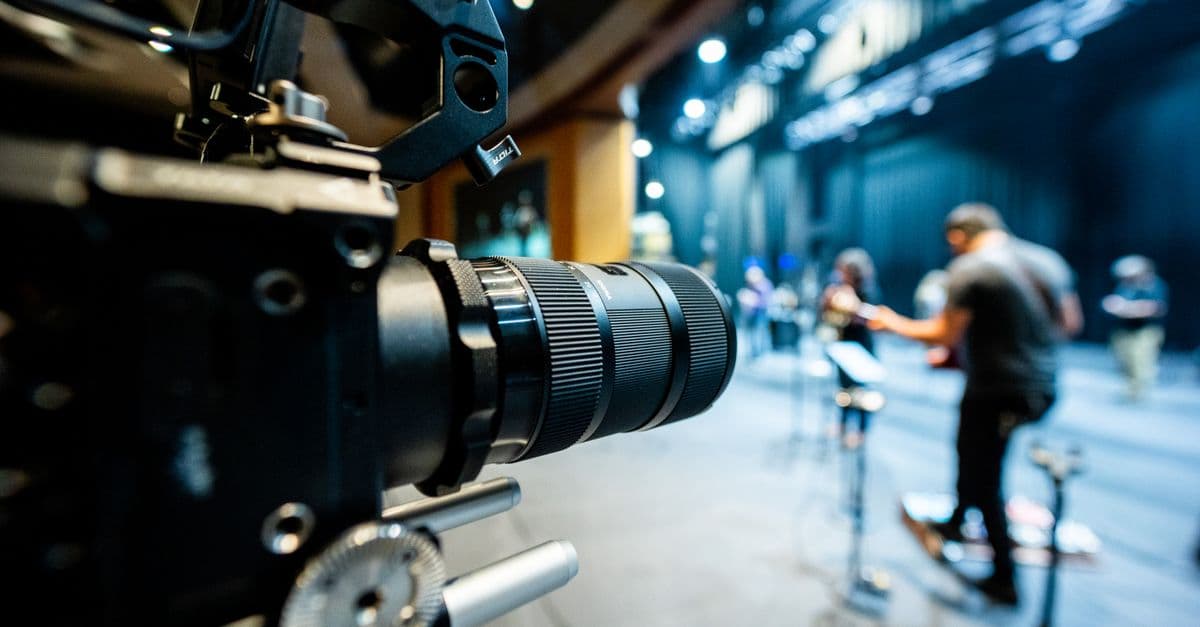
You can input rough shot notes, editorial feedback, and creative requirements to receive structured VFX assessments that categorize complexity levels, flag scope creep risks, and generate comprehensive vendor briefs with technical specifications. The skill bridges editorial vision with VFX execution by analyzing multiple factors simultaneously—render times, resource constraints, vendor capabilities, and budget implications—reducing revision cycles and preventing miscommunication with vendors.

You can submit wire rig designs, equipment specifications, and stunt parameters to receive detailed safety engineering analysis. Claude calculates actual vs. rated load capacities across multi-point rigging systems, identifies potential failure modes, flags compliance gaps, and generates formal safety reports ready for insurance and film commissions. This transforms conceptual designs into verified safety assessments before rigging setup begins.