


Pastry Recipe Development & Troubleshooting
Master pastry chemistry and scale recipes with scientific precision

What You Can Do
You can develop, optimize, and troubleshoot pastry recipes using baking chemistry principles. Whether you're scaling a croissant recipe for commercial production, diagnosing why your soufflé collapsed, or substituting an unavailable ingredient while maintaining quality, this skill applies scientific rigor to every step. You'll understand not just what to do, but why it matters—hydration ratios, gluten development, fermentation timing, and more.
Features
Convert recipes to baker's percentages and maintain consistent ratios across batch sizes.
Diagnose why pastries fail—overmixing, incorrect hydration, temperature issues—with root-cause analysis.
Replace unavailable ingredients while preserving chemistry, taste, and texture through functional equivalents.
Scale recipes up or down with accurate adjustments for fermentation time, oven capacity, and ingredient ratios.
Optimize bulk fermentation time, proofing schedules, and oven temperatures based on dough chemistry and ambient conditions.
Standardize recipes for commercial production with precise measurements and sequential instructions.
Calculate optimal water content and mixing times to achieve desired crumb structure and crust quality.
Example Output
Example 1: Croissant Recipe Scaling
Original recipe (24 croissants):
- All-purpose flour: 500g
- Water: 275g (55% hydration)
- Butter lamination: 300g
Scaled to 60 croissants:
- All-purpose flour: 1,250g
- Water: 687g (55% hydration maintained)
- Butter lamination: 750g
- Fermentation adjustment: Increase bulk fermentation by 15 min due to larger dough mass
- Oven scheduling: Split into 2 batches, 20 min @ 200°C with steam
Example 2: Croissant Failure Diagnosis
Problem: Croissants are greasy and flatten during baking.
Root causes identified:
- Lamination butter too warm (>23°C) → leaks through dough layers
- Over-proofing → dough lost structure before oven spring
Solution:
- Refrigerate lamination butter to 16-18°C
- Reduce final proof from 2 hours → 45 min at room temp
- Check for slight spring-back when poked gently
Example 3: Ingredient Substitution
Challenge: Substitute vital wheat gluten in a high-hydration dough (68%).
Recommended option: Reduce hydration to 63% + increase mixing time by 2 min
- Maintains extensibility without added gluten
- Adjust water: -25g per 500g flour
What's Included
- Recipe Analysis Framework: Step-by-step evaluation of recipes for hydration, fermentation, and structural integrity.
- Baker's Percentage Converter: Automatic conversion of ingredient weights to percentages relative to flour weight for easy scaling.
- Troubleshooting Decision Tree: Flowchart to diagnose common pastry failures including collapse, greasiness, over-fermentation, and poor crust.
- Temperature & Timing Guides: Reference tables for bulk fermentation, proofing, and baking temperatures across pastry types.
- Ingredient Chemistry Reference: Functional roles of each ingredient and how changes affect final product texture, taste, and structure.
Who It's For
- Professional pastry chefs
- Home bakers scaling to commercial production
- Culinary school instructors and students
- Food product developers
- Bakery operations managers
Best For
- Recipe development and innovation
- Scaling recipes for production
- Troubleshooting failed batches
- Ingredient substitution challenges
- Cross-batch consistency standardization
You might also like

Create comprehensive, progressive wine tasting curricula tailored to your students' level, from novice to advanced. Generate standardized assessment rubrics that measure tasting proficiency objectively, and design blind tasting protocols that teach accurate varietal and region identification. Use these tools to build cohesive, measurable wine education programs that scale from small workshops to multi-year sommelier training.

Upload your food and beverage cost data and receive comprehensive variance analysis, trend identification, and actionable cost reduction recommendations. The skill automatically categorizes expenses, compares actual vs. budgeted costs, and generates clear reports highlighting areas of concern and opportunity. You get variance percentages, trends across periods, and specific remediation strategies all in one structured output.

Generate optimized weekly labor schedules that balance cost efficiency with legal compliance requirements. The skill automatically accounts for employee availability, labor law regulations (minimum wage, break requirements, scheduling rules by jurisdiction), and demand patterns to create schedules that reduce overtime and scheduling conflicts. You provide employee data, staffing requirements, and constraints—the skill delivers a schedule ready to deploy.

This skill analyzes your food and beverage costs against established standards, pinpointing variances and their root causes with quantified financial impact. You get detailed variance reports, root cause analysis, and prioritized corrective actions ranked by profitability impact. It's designed for restaurant managers, food service directors, and cost analysts who need to optimize F&B spending and quickly identify where money is leaking.
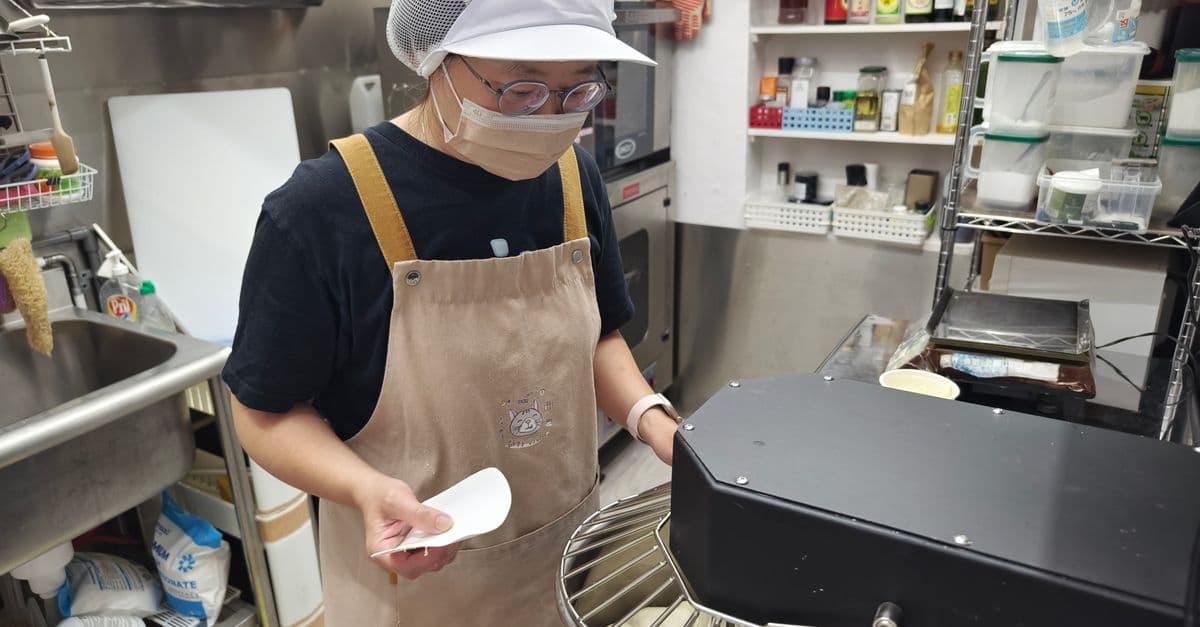
Standardize your recipes with precise instructions, ingredient lists, and portion guidance tailored to your kitchen's needs. Train your staff with structured protocols, quality control checklists, and food safety documentation. Generate cost analyses, workflow optimizations, and supplier coordination templates to streamline daily operations and reduce waste.

Create personalized wine recommendations tailored to your customers' preferences, meal selections, and budget. The skill provides detailed sommelier-level pairing analysis with accessible tasting notes that enhance the dining experience. You'll generate customer-appropriate explanations that feel natural in conversation while building confidence in wine selections.

This skill analyzes the gap between expected and actual inventory levels, pinpoints root causes of variance, and reconciles cost differences across your supply chain. You'll discover hidden shrinkage, pricing misalignments, and data entry errors—then generate actionable corrective reports to improve inventory accuracy and reduce financial loss.

Generate comprehensive banquet event runsheets, minute-by-minute timelines, and detailed service choreography for events of any size. This skill orchestrates every element of banquet service—from staff assignments and vendor coordination to course timing and contingency triggers—reducing planning hours to minutes while ensuring flawless execution.