


Wine Tasting Curriculum Architect
Build structured wine education programs with blind tasting protocols and assessment rubrics
What You Can Do
Create comprehensive, progressive wine tasting curricula tailored to your students' level, from novice to advanced. Generate standardized assessment rubrics that measure tasting proficiency objectively, and design blind tasting protocols that teach accurate varietal and region identification. Use these tools to build cohesive, measurable wine education programs that scale from small workshops to multi-year sommelier training.
Features
Build multi-level wine education programs that scaffold from basic tasting fundamentals through advanced regional mastery and blind identification skills
Generate detailed scoring rubrics for tasting proficiency across dimensions like aroma identification, palate analysis, and structural assessment
Design structured blind tasting exercises with difficulty progression, systematic approaches for varietal and region guessing, and accuracy benchmarks
Create standardized tasting note formats that guide students through systematic flavor analysis and develop consistent descriptive vocabulary
Build frameworks to measure student advancement through difficulty levels, from simple color/aroma recognition to complex blind varietal identification
Generate educational materials connecting wines to regions, production methods, and food pairings to deepen contextual understanding
Produce complete teaching materials including wine selection lists, discussion questions, and facilitation notes for each curriculum module
Example Output
Example 1: 3-Level Curriculum Outline
Level 1: Foundations (4 weeks)
- Week 1-2: Sensory basics (color observation, aroma families)
- Week 3-4: Guided comparative tastings (Old World vs. New World)
- Assessment: Score a provided wine across 5 basic dimensions
Level 2: Structure & Region (6 weeks)
- Focus on acidity, tannin, body across key regions
- Blind tasting: 10-wine flight with hints→no hints progression
- Assessment: Identify 5 wines by varietal, 3 by region
Level 3: Advanced Blind (8 weeks)
- No-hint blind tastings across 20+ varietals and regions
- Assessment: Score rubric includes price estimation and vintage accuracy
Example 2: Tasting Proficiency Rubric (Extract)
| Dimension | Novice (1) | Intermediate (2) | Advanced (3) |
|---|---|---|---|
| Aroma ID | Identifies broad categories (fruit, floral) | Names 5+ specific aromas | Identifies subtle nuances (tropical vs. stone fruit) |
| Acidity Assessment | Unable to detect | Describes as "high" or "low" | Estimates pH range and food pairing implications |
| Blind Varietal ID | Random guessing | Correct 30-50% of 10-wine flight | Correct 80%+ with reasoned descriptions |
Example 3: Blind Tasting Protocol (Excerpt)
Exercise: 6-Wine Blind Flight (Intermediate)
- Students receive 6 wines with no labels, water, and tasting sheets
- 15 min blind tasting: Record color, aromas, palate, structure
- 5 min group discussion: Form hypotheses
- Reveal: 3 varietals (2 correct guesses per student = success)
- Debrief: Discuss which sensory clues were diagnostic
What's Included
- Curriculum Outline Template: Pre-structured framework for designing multi-level programs with clear learning objectives, week-by-week pacing, and milestone assessments
- Assessment Rubrics: Detailed scoring matrices for measuring tasting proficiency, blind identification accuracy, and descriptive vocabulary mastery across 5-7 dimensions
- Blind Tasting Protocols: Step-by-step facilitation guides for designing blind flights, including wine selection logic, difficulty progression, and scoring criteria
- Tasting Note Templates: Structured forms that guide students through systematic observation (visual, olfactory, gustatory, structural) and encourage precise language
- Instructor Facilitation Guide: Teaching notes for each curriculum level, including common student errors, discussion prompts, and tips for blind tasting exercise management
- Wine Selection Lists: Curated recommendations for beginner, intermediate, and advanced blind tastings organized by varietal, price point, and learning objective
Who It's For
- Wine educators and instructors
- Sommelier training program directors
- Culinary school faculty
- Wine retail staff trainers
- Hospitality program coordinators
Best For
- Building structured wine education curricula from scratch
- Designing blind tasting exercises with progressive difficulty
- Creating measurable assessment tools for tasting proficiency
- Developing trainer guides and teaching materials
- Scaling wine training programs across multiple instructors or locations
You might also like
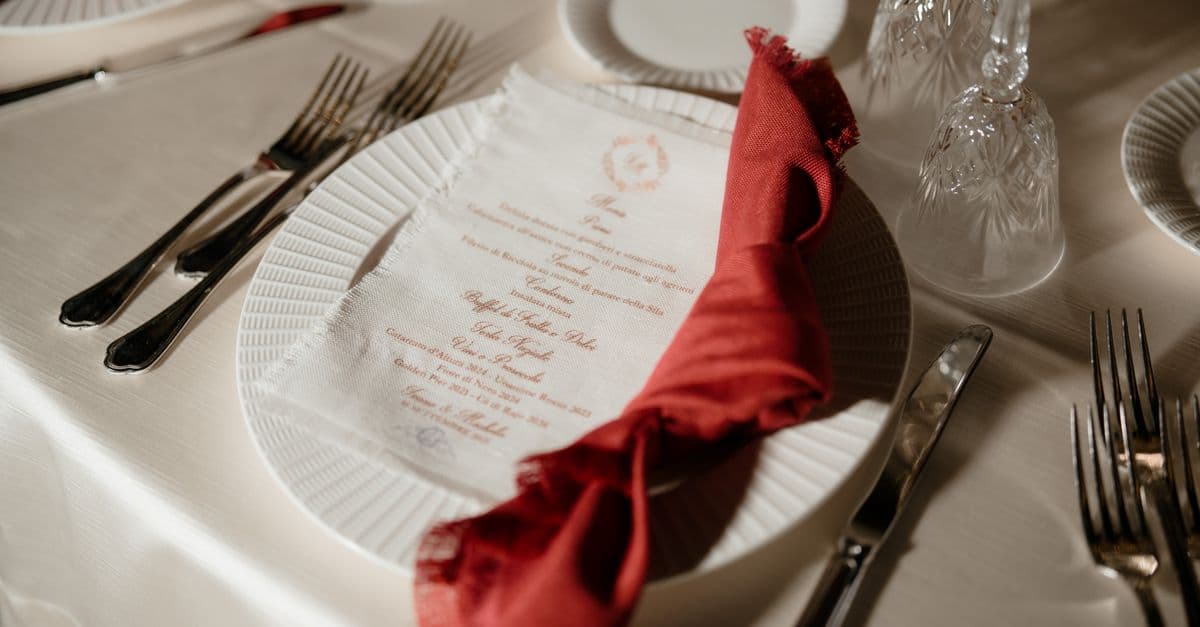
Optimize banquet menus for profitability while balancing food costs, guest preferences, and kitchen capacity constraints. Generate staffing deployment plans, service timelines, and station assignments that ensure smooth execution. Manage dietary requirements and preferences while maintaining kitchen efficiency and guest satisfaction.
This skill analyzes your food and beverage costs against established standards, pinpointing variances and their root causes with quantified financial impact. You get detailed variance reports, root cause analysis, and prioritized corrective actions ranked by profitability impact. It's designed for restaurant managers, food service directors, and cost analysts who need to optimize F&B spending and quickly identify where money is leaking.
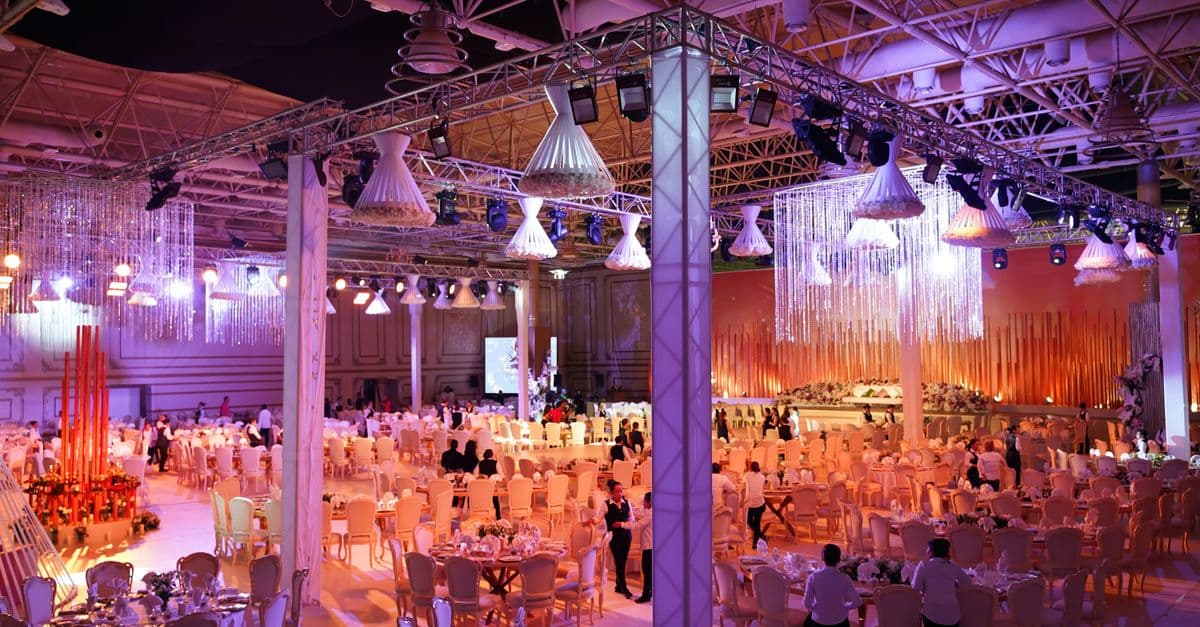
Generate comprehensive banquet event runsheets, minute-by-minute timelines, and detailed service choreography for events of any size. This skill orchestrates every element of banquet service—from staff assignments and vendor coordination to course timing and contingency triggers—reducing planning hours to minutes while ensuring flawless execution.
Upload your food and beverage cost data and receive comprehensive variance analysis, trend identification, and actionable cost reduction recommendations. The skill automatically categorizes expenses, compares actual vs. budgeted costs, and generates clear reports highlighting areas of concern and opportunity. You get variance percentages, trends across periods, and specific remediation strategies all in one structured output.
Standardize your recipes with precise instructions, ingredient lists, and portion guidance tailored to your kitchen's needs. Train your staff with structured protocols, quality control checklists, and food safety documentation. Generate cost analyses, workflow optimizations, and supplier coordination templates to streamline daily operations and reduce waste.
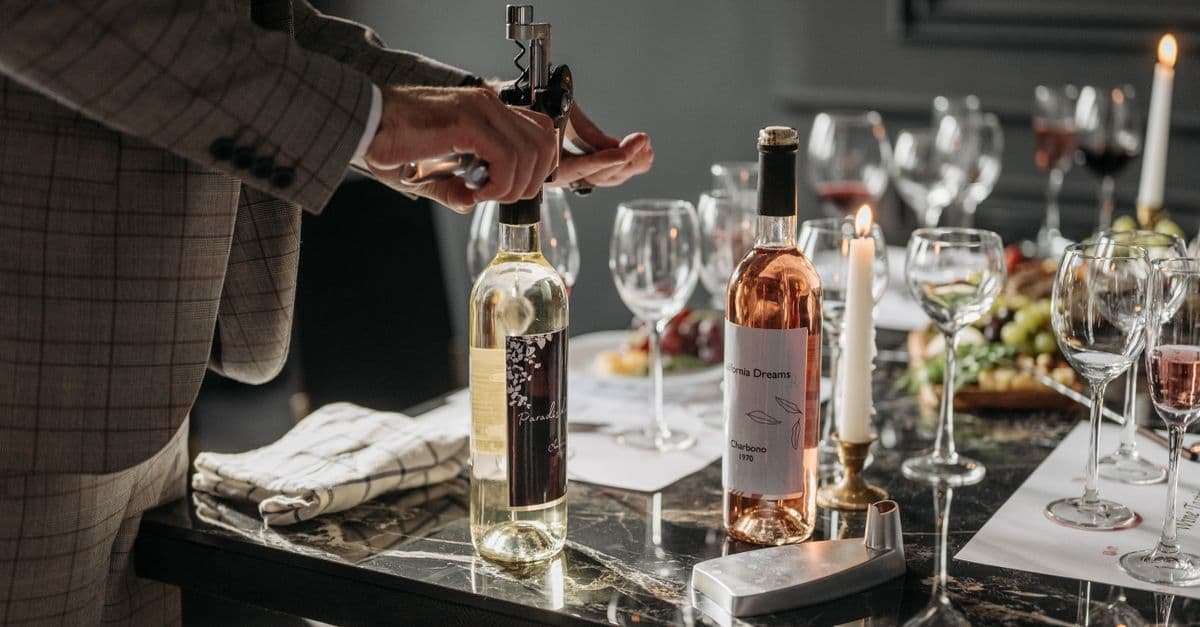
Create personalized wine recommendations tailored to your customers' preferences, meal selections, and budget. The skill provides detailed sommelier-level pairing analysis with accessible tasting notes that enhance the dining experience. You'll generate customer-appropriate explanations that feel natural in conversation while building confidence in wine selections.

Generate optimized weekly labor schedules that balance cost efficiency with legal compliance requirements. The skill automatically accounts for employee availability, labor law regulations (minimum wage, break requirements, scheduling rules by jurisdiction), and demand patterns to create schedules that reduce overtime and scheduling conflicts. You provide employee data, staffing requirements, and constraints—the skill delivers a schedule ready to deploy.

You can comprehensively evaluate healthcare datasets for open data readiness, generating detailed assessment reports with actionable remediation steps. Claude analyzes data quality, metadata completeness, privacy compliance, and accessibility standards, then produces structured documentation that meets FAIR principles and healthcare governance requirements. You'll accelerate your open data initiatives by automating compliance checks and creating publication-ready documentation in minutes.