

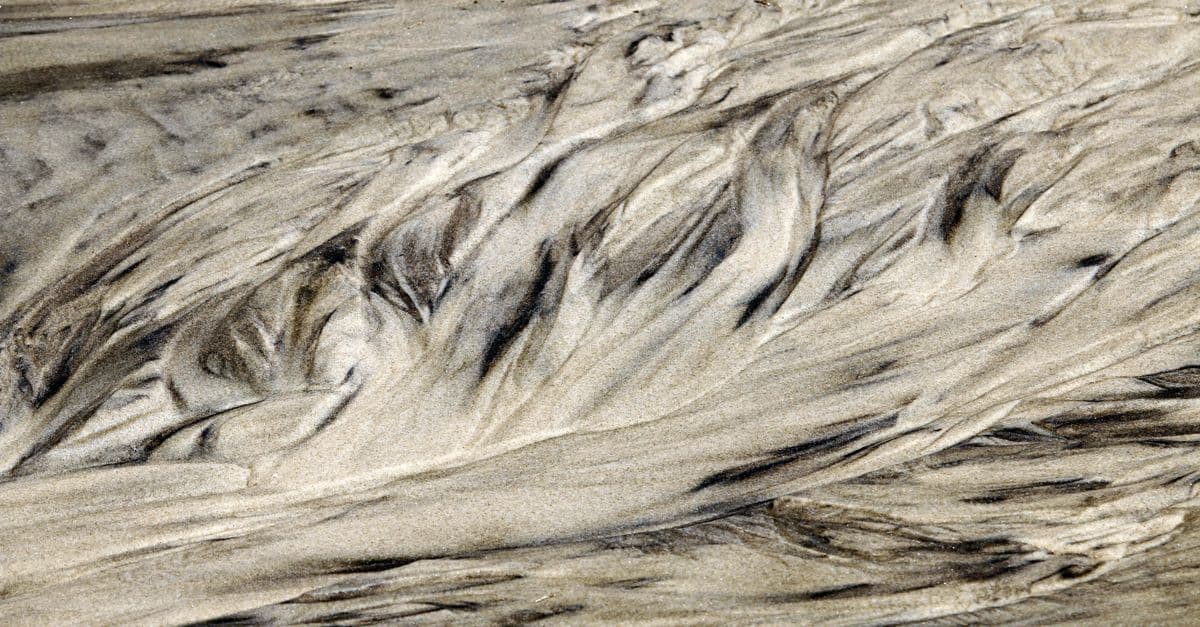
Sediment Facies Interpretation Engine
Interpret core logs & wireline data into facies models and paleoenvironments
What You Can Do
You can rapidly synthesize core descriptions, wireline log responses, grain size trends, and sedimentary structure patterns into reproducible facies assignments and paleoenvironmental interpretations. The skill eliminates manual narrative synthesis bias by guiding you through a structured framework that flags ambiguities, supports cross-well correlation, and generates stratigraphic context for play characterization and field development decisions.
Features
Systematically assign depositional facies codes using integrated core-log criteria with diagnostic confidence scoring
Link sedimentological signatures to paleoenvironmental interpretations (fluvial, deltaic, shallow marine, deep marine, lacustrine) with supporting evidence
Position facies within sequence boundaries, systems tracts, and parasequence sets for chronostratigraphic control
Generate facies stacking patterns and correlation surfaces for multi-well subsurface models
Highlight conflicting paleoenvironmental signals and data quality gaps requiring sensitivity analysis or additional core sampling
Identify lateral facies transitions, stacking patterns, and thickness trends indicating depositional system geometry
Connect facies codes to petrophysical properties for reservoir modeling and flow unit definition
Generate multiple plausible facies scenarios when core recovery is partial or wireline data is ambiguous
Example Output
Example 1: Fluvial-to-deltaic transition
- Interval 2,450–2,380 m: Braided fluvial facies (Fbr) — cross-bedded sandstone, moderate sorting, scattered mudstone drapes; log signature: sharp SP deflection, high GR variance
- Interval 2,380–2,310 m: Mouth bar facies (Dmb) — climbing ripple cross-lamination, increasing silt content, symmetrical ripple marks; log: gradational GR increase, resistivity plateau
- Paleoenvironment: Prograding delta front; Sequence position: HST
- Risk flag: Silt-clay interlaminations suggest wave reworking; confirm paleocurrent directions in thin-section
Example 2: Deep-water turbidite system
- Interval 3,050–2,990 m: Proximal turbidite facies (Tprox) — massive to graded sandstone, sole marks, low mud content; log: low GR baseline with sharp jumps
- Interval 2,990–2,910 m: Distal turbidite facies (Tdist) — thin-bedded sand-silt alternations, plane laminations; log: variable GR spikes, sawtooth pattern
- Paleoenvironment: Submarine fan channel-to-lobe transition; Sequence position: LST
- Risk flag: Thin-bedded intervals prone to bypassing; core-log correlation critical for sand body continuity assumption
What's Included
- SKILL.md instruction file: Complete facies interpretation workflow with decision trees and diagnostic criteria for 8–12 common depositional systems
- Core-to-facies coding template: Structured spreadsheet linking core observations (grain size, structures, color, fossils) to facies codes with confidence scoring
- Wireline signature reference chart: SP, GR, resistivity, density, and sonic log responses for each major facies group
- Sequence stratigraphic framework checklist: Guidance for identifying sequence boundaries, flooding surfaces, and systems tract assignment
- Cross-well correlation matrix: Template for facies stacking patterns, thickness maps, and paleoenvironmental facies belts across well penetrations
Who It's For
- Sedimentologists and stratigraphers — Building facies models from core and wireline data for subsurface interpretation
- Exploration geoscientists — Assessing paleoenvironmental risk and play architecture in frontier basins
- Petrophysicists — Linking facies codes to flow units and petrophysical properties for reservoir models
- Geologists supporting field development — Correlating facies across appraisal and development wells for grid setup and infill drilling decisions
- Geoscience mentors — Training junior staff on reproducible, bias-reduced facies analysis workflows
Best For
- Interpreting cores from exploration, appraisal, or development wells
- Reconciling conflicting paleoenvironmental signals (fluvial vs. shallow marine ambiguities)
- Building facies-based petrophysical models for resource estimation and uncertainty quantification
- Establishing sequence stratigraphic framework for regional correlation and chronostratigraphy
- Generating comparative facies interpretations when core recovery is partial or data quality varies
You might also like
You can rapidly integrate multi-parameter geochemical datasets—Rock-Eval pyrolysis, biomarker distributions, stable isotopes, and molecular compositions—into coherent petroleum system interpretations. The skill transforms raw analytical parameters (Tmax, S2, biomarker ratios, δ13C values) into subsurface understanding of source rock potential, thermal history windows, depositional environments, and charge timing relative to trap formation. You'll identify thermal maturity stages, distinguish multiple source intervals in multi-sourced basins, and flag analytical anomalies that suggest contamination or stratigraphic mixing.
 by delphine-l
You can input well geometry, drilling fluid properties, and operational parameters to rapidly calculate equivalent circulating density (ECD), analyze pressure profiles, and identify hydraulic risks. Claude evaluates mud weight windows, predicts circulation losses, and recommends flow rate and fluid property adjustments to maintain wellbore stability while minimizing nonproductive time during complex well sections.
by delphine-l
You can analyze pressure buildup and drawdown test data to identify flow regimes, apply type curve matching techniques to estimate reservoir properties, and conduct material balance studies to quantify original oil/gas in place (OOIP/OGIP). Claude helps you evaluate pressure support mechanisms, generate production forecasts under different depletion scenarios, and assess reserve uncertainty from pressure interpretation data.
by delphine-l
You can perform comprehensive wellbore hydraulics analysis by inputting well geometry, fluid properties, and operational parameters. Claude calculates pressure drops across open hole and cased hole sections, determines equivalent circulating density (ECD) for narrow margin windows, identifies flow regime transitions, and provides optimization recommendations that balance ROP, hole cleaning, and well control margins. This enables you to validate designs, troubleshoot pressure anomalies, and make data-driven adjustments to flow rates and drilling fluid specifications before issues impact operations.
by delphine-l
You can process cuttings samples, core descriptions, wireline logs, and offset well data simultaneously to identify formation boundaries, detect unexpected lithology, and generate actionable drilling recommendations within 15–30 minutes. The skill cross-validates disparate data sources to confirm formation picks, mitigates drilling delays that cost $1M+/day on deepwater rigs, and produces audit-compliant documentation of stratigraphic decisions made in real time.
by delphine-l
You can systematically interpret sedimentary facies from core descriptions, wireline logs, and outcrop data to build coherent paleoenvironmental models. This skill helps you classify lithofacies and ichnofacies, recognize recurring depositional patterns, correlate stratigraphic intervals across multiple wells, and predict reservoir quality and geometry based on depositional systems. You'll move beyond simple lithologic logging to derive interpretations that directly support exploration risking, play fairway mapping, and field development planning.
by delphine-l
You can analyze production performance data to distinguish between natural depletion, mechanical failures, formation damage, and flow restrictions. The skill guides you through structured diagnostic workflows that integrate production history, pressure readings, and well geometry data to pinpoint specific decline mechanisms and recommend targeted remedial actions such as acidizing, perforation optimization, or artificial lift adjustments.
by delphine-l
You can develop comprehensive completion strategies by evaluating formation properties, reservoir pressure regimes, and fluid characteristics against completion alternatives. The skill guides you through perforation optimization, inflow performance prediction, and completion selection trade-offs—helping you balance productivity, reliability, and economics to deliver completions that meet production targets while controlling costs and operational risk.
by delphine-l