


Vendor Negotiation Strategy & Execution Framework
Master data-driven vendor negotiations with evidence-based strategies and contract leverage

What You Can Do
Develop comprehensive negotiation strategies backed by competitive analysis, cost modeling, and risk assessment. Analyze vendor proposals against market benchmarks and extract maximum value through structured leverage points. Draft contract terms that mitigate risk while maintaining supplier relationships.
Features
Compare vendor proposals line-by-line against competitive benchmarks, pricing models, and historical data to identify gaps and opportunities
Extract negotiation advantages from market data, supplier dependencies, alternative sources, and compliance requirements with evidence-based rationale
Systematically identify contract risks (payment terms, liability, SLAs, renewal clauses) and recommend protective language
Calculate true acquisition costs beyond unit price—including setup, training, support, maintenance, and transition expenses
Generate favorable agreement language for pricing, performance guarantees, termination rights, dispute resolution, and renewal options
Rate vendors objectively across capability, financial stability, cultural fit, and risk profile to guide selection decisions
Develop multi-round negotiation sequences with escalation tactics, concession strategies, and fallback positions
Maintain structured records of proposals, counteroffers, agreements, and key decision points for compliance and future negotiations
Example Output
Competitive Analysis Summary
| Vendor | Unit Cost | Setup Fee | Support Tier | Payment Terms | Risk Score |
|---|---|---|---|---|---|
| Vendor A | $45 | $5K | 24/7 | Net 30 | Low |
| Vendor B | $38 | $8K | Business hrs | Net 45 | Medium |
| Vendor C | $52 | $2K | Email only | Net 15 | High |
Leverage Points (with evidence)
✓ Market competition: 3 qualified alternatives bid 12-18% lower than Vendor A ✓ Volume commitment: We can guarantee 500+ units annually (20% above their average) ✓ Multi-year stability: 5-year agreement reduces their sales/admin overhead by ~8% ✓ Reference relationships: Existing customers report 15% discount for renewal commitments
Risk Mitigation Recommendations
- ⚠️ Payment terms: Change from Net 45 → Net 30 (reduces float exposure)
- ⚠️ SLA penalties: Add 2% service credit for uptime below 99.5%
- ⚠️ Termination rights: Reduce 12-month exit fee to 60 days with 30-day notice
- ⚠️ Price escalation: Cap annual increases at CPI + 2% (vs. uncapped in current terms)
What's Included
- RFP Evaluation Checklist: Structured scorecard for systematically comparing vendor proposals on pricing, capabilities, risk, and cultural alignment
- Leverage Point Database: Curated library of 50+ evidence-based negotiation advantages (market data, volume commitments, timing leverage, alternatives)
- Risk Assessment Matrix: Standardized framework for identifying and rating risks across payment terms, liability, performance, compliance, and renewal
- Cost Modeling Templates: Worksheets for calculating total cost of ownership (TCO), ROI, and price-per-unit-of-value across different vendor scenarios
- Contract Term Library: Proven favorable clauses for pricing, escalation caps, service levels, termination rights, dispute resolution, and renewal conditions
- Negotiation Planning Worksheet: Pre-negotiation preparation guide covering objectives, leverage points, walk-away scenarios, and concession strategy
Who It's For
- Procurement Manager
- Supply Chain Director
- Contract Negotiator
- Finance Director/CFO
- Business Operations Lead
Best For
- RFP evaluation and vendor selection
- Contract renewal and renegotiation campaigns
- Cost reduction initiatives and savings targets
- Risk mitigation in multi-year agreements
- Multi-supplier competitive analysis
You might also like

You can analyze shipping expenses across multiple carriers, identify cost-saving opportunities, and evaluate carrier performance metrics to reduce logistics expenses. The skill compares rates, delivery times, reliability scores, and service quality to help you negotiate better contracts and make data-driven carrier selection decisions.

You can analyze historical demand patterns, generate statistical forecasts with explicit assumptions, and create best/base/worst-case scenarios for supply chain planning. The skill evaluates demand seasonality, trends, and volatility to produce actionable forecasts with confidence intervals. Your results include documented methodology, key assumptions, and specific recommendations for inventory and production planning.
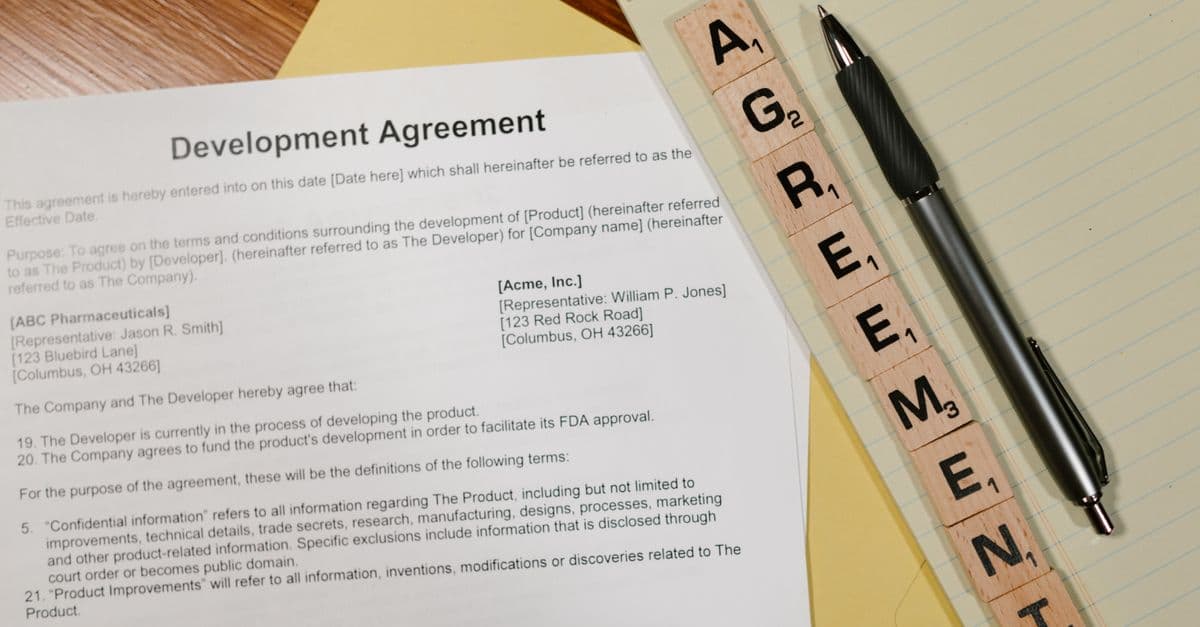
Analyze supplier capabilities and proposals using structured evaluation frameworks that score vendors across cost, quality, delivery, and risk dimensions. Claude builds comprehensive negotiation strategies with quantified leverage points, walkaway prices, and contract optimization recommendations. You'll reduce material costs by 10-20% while minimizing supply chain risks through data-driven decision-making.

You'll create comprehensive, data-driven vendor negotiation briefs that synthesize vendor background, pricing history, market position, and negotiation leverage into a concise, actionable brief. The skill analyzes your vendor context and generates talking points, risk assessments, and strategic recommendations tailored to your negotiation objectives.

This skill quickly analyzes inventory discrepancies from cycle counts, pinpoints the likely root causes, and recommends specific corrective actions to improve accuracy. You can upload count data, review detailed variance breakdowns by location or SKU, and get actionable insights to close gaps in your inventory management.

This skill analyzes complex supply chain networks to identify optimization opportunities across cost, service levels, and environmental impact. You can model network changes, evaluate supplier alternatives, and forecast the impact of disruptions before implementation. It provides data-driven recommendations for network redesign, inventory rebalancing, carrier selection, and sustainability improvements.

This skill transforms how you review and negotiate contracts by automatically identifying risks, spotting unfavorable clauses, and generating data-backed negotiation strategies. You get detailed risk scoring, compliance checks, and financial impact analysis—turning hours of manual review into minutes of actionable insights. It helps you close contracts faster while protecting your organization from costly mistakes.

This skill guides you through structured demand forecasting and launch planning when you have limited historical data for a new product. It builds multiple demand scenarios using comparable products, market signals, and validated growth curves, then creates cross-functional alignment frameworks to stress-test your assumptions and reduce launch risk.