

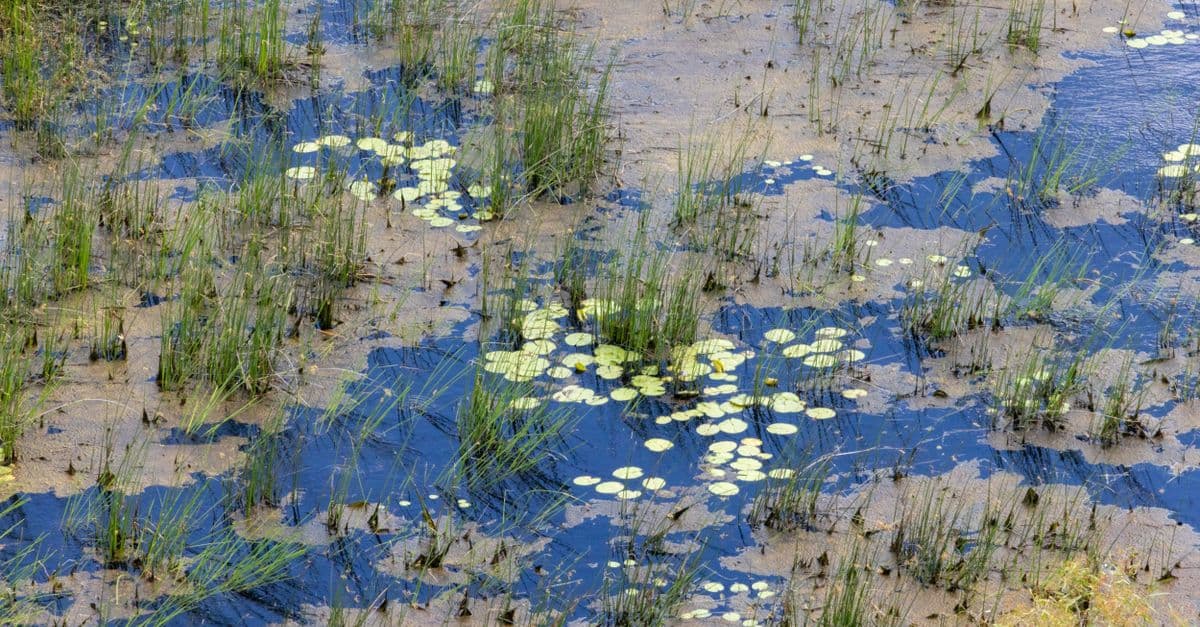
Wetland Restoration Assessment & Design Framework
Assess degraded wetlands and generate permit-ready restoration designs
 by agenmodArchitecture & Built EnvironmentArchitecture PracticeLandscape ArchitectEnvironmental Restoration
What You Can Do
You can conduct comprehensive wetland assessments that synthesize hydrology analysis, soil characterization, and vegetation surveys into actionable restoration designs. This skill generates permit-ready documentation including phased restoration plans, native plant community designs, hydrologic feasibility assessments, and success monitoring protocols that balance ecological recovery with regulatory compliance and budget constraints.
Features
evaluates water table elevation, seasonal inundation patterns, and groundwater/surface water dynamics to determine restoration feasibility
characterizes existing soil conditions, identifies contamination potential, and recommends remediation strategies specific to wetland restoration
develops native plant palettes stratified by elevation, moisture regime, and ecological function with installation specifications
produces Section 404, state wetland permit, and NEPA-compliant design narratives with technical justification
structures restoration into constructable phases with timeline, sequencing, cost considerations, and adaptive management triggers
establishes 5-10 year success criteria, monitoring methodologies, and contingency protocols for regulatory compliance
balances competing objectives (ecological, regulatory, budget, community) with documented trade-off analysis
Example Output
Hydrologic Assessment Output:
- Current water regime: Seasonally saturated 0-18 inches, ephemeral inundation 18-24 inches
- Target: Restore seasonal inundation to 24-30 inches with year-round saturation 18-24 inches
- Feasibility: High—groundwater elevation permits grading to -8.5 ft NAVD; 12-inch rise achievable through berm removal + headwater ditch blocking
Native Plant Community Design:
- Upper margin (0-12 inches inundation): Silky dogwood, alder, sedge species (3-year establishment)
- Lower margin (12-24 inches): Pickerelrush, arrowhead, emergent sedges (year-round saturated)
- Success criteria: ≥70% native cover by year 5, invasive pressure <15%
Permit Narrative Excerpt: The proposed restoration will restore 2.3 acres of degraded emergent wetland through hydrologic reconnection and native vegetation establishment. This design restores ecological function lost to drainage history and addresses Section 404 compensatory mitigation requirements.
What's Included
- SKILL.md: complete assessment and design framework with decision trees
- Wetland Assessment Checklist: site visit protocol covering hydrology, soils, vegetation, and contamination screening
- Restoration Design Template: phased plan template with hydrologic targets, plant communities, grading specifications, and cost estimates
- Permit Documentation Workbook: Section 404, state wetland permit, and NEPA narrative templates with regulatory cross-references
- Success Monitoring Protocol: 5-year monitoring schedule, photo documentation points, and adaptive management triggers
Who It's For
- Landscape architects specializing in environmental restoration and ecological design
- Environmental consultants preparing wetland mitigation plans and permit applications
- Ecological restoration project managers coordinating multi-phase site rehabilitation
- Civil engineers integrating wetland restoration into stormwater and land development projects
- Agency environmental specialists (USACE, EPA, state DEP) reviewing restoration feasibility and permit applications
Best For
- Initial wetland assessment and site characterization for degraded or drained sites
- Hydrologic restoration design and feasibility analysis
- Native plant community selection and installation specifications
- Permit application preparation (Section 404, state wetland permits, NEPA documentation)
- Phased restoration planning with success metrics and monitoring protocols
- Regulatory compliance documentation and trade-off analysis for competing project objectives
You might also like

You can generate healthcare facility layouts that integrate FGI Functional Guidelines, ADA accessibility requirements, IBC building codes, and facility-specific infection control protocols from the start. The skill translates complex regulatory language into actionable spatial requirements, validates room configurations against overlapping codes, and identifies compliance gaps before costly redesigns occur. This approach accelerates permit review, ensures patient safety is embedded in foundational planning, and reduces value engineering conflicts.
by agenmod
You can develop consistent, broadcast-quality color grades across entire projects using proven workflows and Lumetri techniques. Claude guides you through color theory fundamentals, helps you build custom looks, and provides step-by-step workflows for matching grades across multicam footage and complex timelines. Whether you're correcting skin tones, creating cinematic looks, or maintaining color consistency across episodes, this skill transforms your grading process from guesswork to systematic mastery.
by agenmod
You can quantify embodied carbon at any project phase—from concept through specification—using verified LCA boundaries and industry databases. Claude helps you compare material alternatives numerically (steel vs. CLT, concrete vs. timber), identify which assemblies drive the highest emissions, and generate defensible carbon reports for green building certifications. Since embodied carbon is locked in at design time, this systematic approach ensures your material choices align with net-zero targets before construction.
by agenmod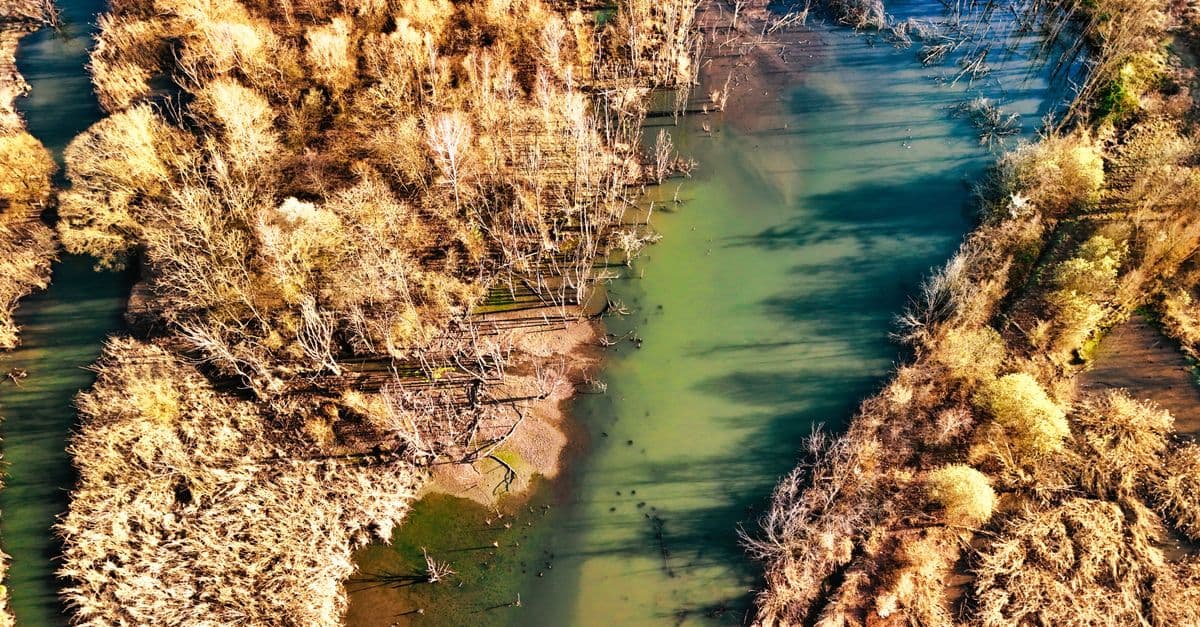
You can analyze degraded stream channels and riparian corridors to identify specific hydromorphic and ecological dysfunction, then design integrated restoration solutions that address root causes while meeting engineering and ecological performance standards. Claude helps you model post-restoration hydraulic behavior, sediment transport, and vegetation establishment sequences aligned with hydromorphic conditions, generating detailed civil and ecological specifications ready for implementation and adaptive management.
by agenmod
You can conduct comprehensive streetscape evaluations that assess design quality across multiple dimensions—pedestrian comfort, accessibility compliance, safety perception, retail vibrancy, and social equity. The skill generates actionable recommendations grounded in NACTO standards, Complete Streets principles, and pedestrian behavior research, helping you move beyond subjective critique toward measurable, defensible design decisions.
by agenmod
You can conduct systematic compliance reviews of residential designs by analyzing them against local building codes, zoning ordinances, and accessibility standards. Claude interprets complex code language, identifies design conflicts, and recommends corrections—all documented for permitting submissions and plan review responses. This skill helps you catch violations before formal review, reducing costly redesigns and accelerating project approvals.
by agenmod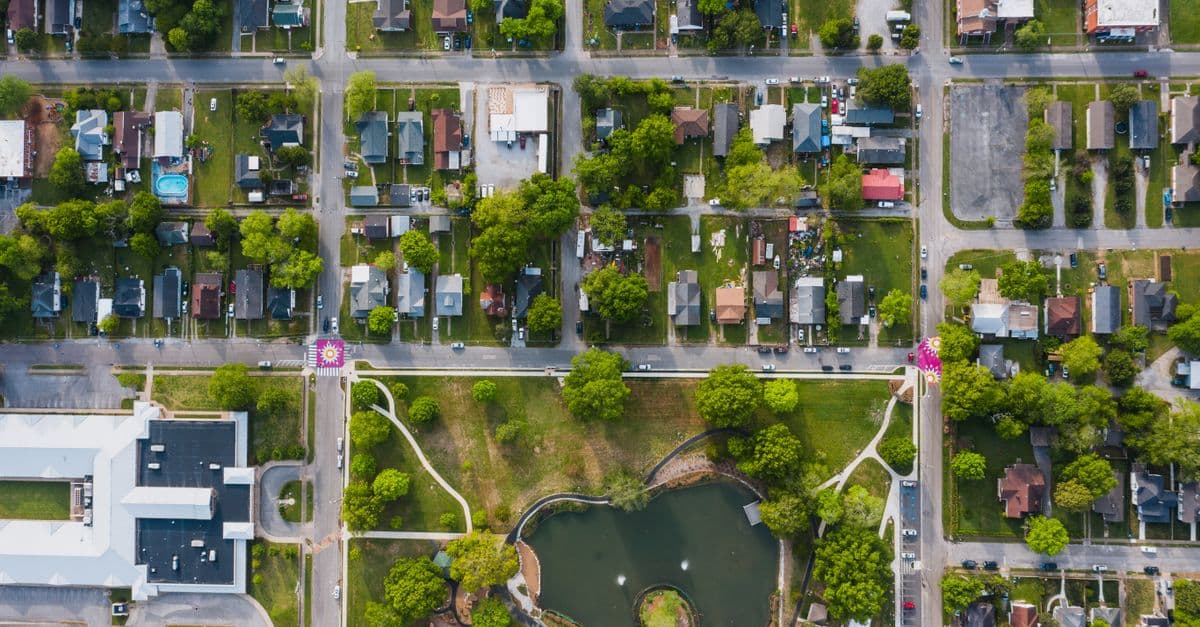
Systematically audit existing streetscape conditions and produce comprehensive assessment reports that identify design opportunities and constraints. You can analyze pedestrian experience, accessibility compliance, safety conditions, and activation potential, then translate findings into prioritized recommendations with professional documentation suitable for municipal reports, design competitions, and stakeholder presentations.
by agenmod
You can rapidly develop evidence-based facility programs that account for regulatory compliance, infection control protocols, clinical adjacencies, and operational workflows. The skill translates stakeholder needs into detailed space requirement matrices, validates departmental layouts against FGI Guidelines and building codes, and analyzes clinical workflow to inform spatial adjacencies—preventing costly post-construction redesigns and ensuring buildings support clinical operations.
by agenmod