

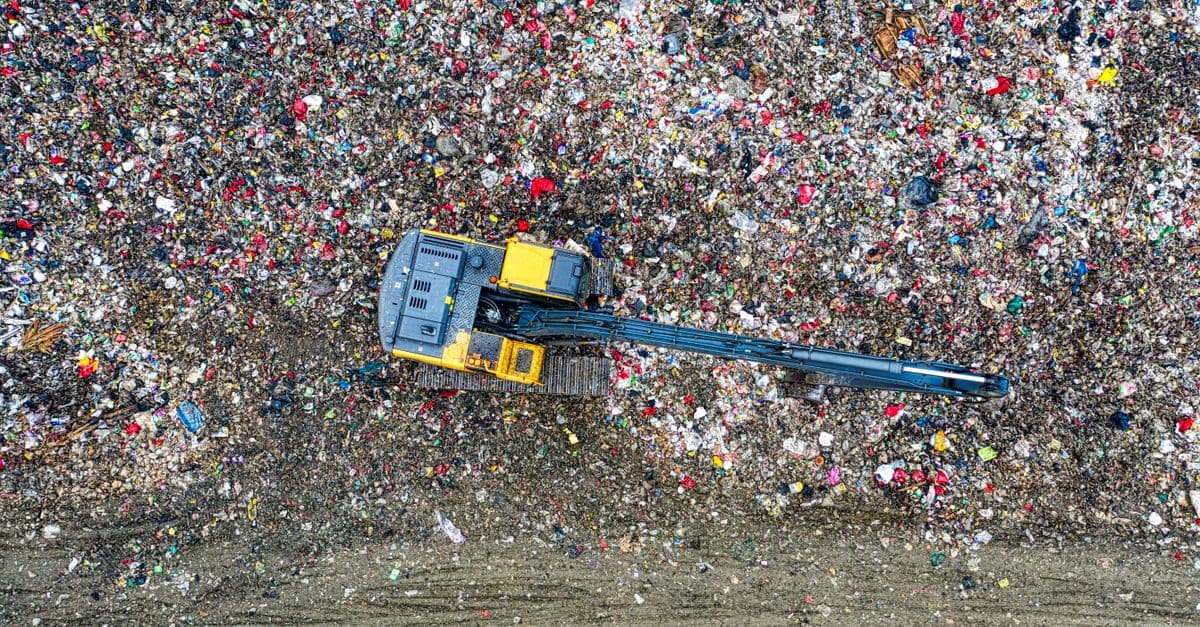
Waste Stream Valorization Analyzer
Identify high-value resource recovery opportunities in waste streams
What You Can Do
You can conduct comprehensive waste stream characterizations, assess market viability for recovered materials, and develop end-to-end resource recovery pathways with financial projections. This skill helps you unlock economic value trapped in waste while reducing landfill dependency and virgin material extraction. You'll generate data-driven justifications for waste processing investments and communicate recovery potential to stakeholders.
Features
break down material types, tonnage estimates, and contamination profiles to establish baseline recovery potential
evaluate pricing trends, buyer availability, and demand forecasts for recovered materials in your target markets
assess sorting requirements, processing technologies, and operational constraints for your specific waste stream
calculate recovery costs, material values, payback periods, and break-even scenarios for infrastructure investment
develop step-by-step processing sequences from raw waste to market-ready recovered materials
position your recovery rates and economics against industry standards and competitor operations
create phased deployment timelines with equipment needs, staffing requirements, and investment schedules
measure greenhouse gas reductions, landfill diversion, and virgin material displacement from recovery scenarios
Example Output
Waste Stream: Manufacturing Scrap Aluminum
- Current composition: 78% aluminum alloy, 12% steel fasteners, 10% plastic/rubber contaminants
- Annual volume: 450 metric tons
- Market price for sorted material: $1,200–$1,450/ton (current range)
- Estimated revenue potential: $540K–$653K annually
- Processing cost estimate: $180/ton ($81K annually)
- Net margin: $459K–$572K annually after operational costs
- Payback period for sorting equipment: 14–18 months
- Landfill diversion: 450 metric tons CO₂eq annually avoided
Resource Recovery Pathway: Manual pre-sorting → magnetic separation (steel removal) → air classification (plastic separation) → baling → sale to secondary smelter
What's Included
- SKILL.md instruction file: complete methodology for waste valorization analysis
- Waste composition assessment template: structured format for documenting material types, percentages, and contamination levels
- Market research checklist: questions and data sources for evaluating recovered material demand and pricing
- Feasibility scorecard: weighted assessment framework for technical, economic, and operational viability
- Recovery pathway worksheet: step-by-step process flow design tool with technology selection guidance
Who It's For
- Circular economy specialists — developing waste-to-resource business models and recovery strategies
- Industrial facility managers — optimizing waste streams for cost reduction and environmental compliance
- Sustainability consultants — building investment cases for waste processing infrastructure projects
- Municipal waste directors — evaluating commercial recovery opportunities for community waste streams
- Supply chain professionals — sourcing recovered materials and qualifying secondary suppliers
Best For
- Waste stream audits and characterization studies for industrial facilities or municipalities
- Economic feasibility assessments for material recovery operations and sorting systems
- Circular business model development around specific waste streams
- Investor presentations and funding proposals for waste processing infrastructure
- Industry benchmarking and recovery rate optimization planning
You might also like

You can systematically evaluate carbon credits across VCS, Gold Standard, CDM, and compliance markets by analyzing additionality, permanence, methodology risk, supply dynamics, issuer reputation, and vintage timing. The framework helps you establish defensible fair-value estimates, identify pricing anomalies, quantify credit quality risk, and make informed decisions on project investments, portfolio positioning, and transaction economics that withstand stakeholder and regulatory scrutiny.
 by dsheard
You can ingest raw ESG data submissions from regional offices, divisions, and facilities, then automatically identify metric conflicts, gaps, and inconsistencies across frameworks. Claude produces a unified dataset with transparent data lineage, framework-specific metric mappings, and audit-ready documentation—eliminating manual reconciliation work and ensuring compliant disclosure across GRI, SASB, TCFD, and ISSB requirements.
by dsheard
You can conduct comprehensive ESG due diligence on acquisition targets by applying industry-specific materiality assessments, identifying financial exposure from ESG liabilities, and quantifying deal risk across environmental compliance, social governance, and governance factors. The framework connects ESG findings directly to deal economics—helping you adjust purchase price, structure earn-outs, and plan post-acquisition remediation strategies before deal close.
by dsheard
You can conduct comprehensive remanufacturing feasibility assessments that evaluate technical viability, economic feasibility, environmental impact, and market demand. This skill guides you through product design analysis, disassembly evaluation, cost-benefit modeling, and ROI projections—enabling you to determine which products represent genuine circular economy opportunities versus those better suited to recycling or disposal. You'll generate detailed feasibility reports with specific recommendations and risk assessments.
by dsheard
You can map your organization's entire value chain emissions across upstream (purchased goods, transportation, fuel), downstream (product use, end-of-life), and other categories (commuting, travel, franchises). This skill guides you through data collection from suppliers, fills gaps using sector benchmarks and calculation methodologies, allocates emissions to specific business units or products, and generates defensible baselines for climate commitments and investor reporting.
by dsheard
You can systematically map environmental, social, and governance issues to financial performance and stakeholder priorities specific to your organization's business model and industry. This skill helps you move ESG from compliance activity to strategic decision-making framework by conducting double materiality analysis, quantifying financial impact, and translating assessment results into integrated business strategy that informs executive compensation, capital allocation, risk management, and stakeholder engagement.
by dsheard
You can audit your existing ESG data coverage, automatically map narratives and metrics to framework-specific requirements (GRI, SASB, TCFD, EU Taxonomy), identify disclosure gaps in real-time, and generate multi-framework compliant report sections from unified source data. This eliminates the operational chaos of juggling competing frameworks and reduces report compilation time by systematizing the translation of one robust ESG narrative into framework-aligned outputs.
by dsheard
You can structure multi-dimensional ESG data into institutional-grade reports that meet compliance requirements and stakeholder expectations. This skill guides you through materiality assessments, framework alignment, narrative coherence across metrics and executive messaging, and validation checkpoints that withstand external audits. You'll produce reports that balance quantitative rigor, strategic positioning, and transparency demands from investors and regulators.
by dsheard