


Vehicle Dynamics Tuning & Ride/Handling Analyst
Analyze suspension tuning with modal analysis, frequency response & dynamics data

What You Can Do
You can rapidly analyze modal test results, frequency response data, and handling metrics to identify tuning opportunities and root causes of ride comfort or handling issues. This skill structures complex suspension dynamics data into actionable recommendations, comparing multiple tuning variants and quantifying trade-offs between ride isolation, steering response, and body control—accelerating calibration iterations without manual data review.
Features
Extract natural frequencies, damping ratios, and mode shapes from test data to assess suspension stiffness and isolation performance
Interpret Bode plots and transfer functions to diagnose resonance peaks, isolation bandwidth, and steering feel characteristics
Cross-reference understeer gradient, roll stiffness, yaw response, and lateral acceleration against OEM targets and competitor benchmarks
Analyze vertical acceleration spectra, ride index values, and ISO 2631 assessments to pinpoint harshness or isolation deficiencies
Evaluate suspension component specifications and predict performance impact of geometry or stiffness changes
Systematically assess multiple test runs or simulation scenarios side-by-side to identify trade-offs and preferred configurations
Correlate customer complaints or test failures to modal peaks, frequency response anomalies, or geometry issues with quantified evidence
Provide prioritized tuning actions with expected performance deltas, implementation complexity, and hardware change feasibility
Example Output
Modal Analysis Summary:
- Front suspension 1st mode: 1.8 Hz (target: 1.6–2.0 Hz) ✓ Within spec
- Rear bounce/pitch coupling: 3.2 Hz (damping ratio 0.28) — Slightly underdamped; recommend 8% damper increase
- Wheel hop modes at 9.5 Hz and 11.2 Hz — Both above tire excitation bandwidth; acceptable
Handling Performance:
- Understeer gradient: 2.1°/g (target: 1.8–2.2°/g) ✓ On target
- Yaw response lag: 180 ms (competitor avg: 160 ms) — Recommend 10% stiffer anti-roll bar
- Lateral acceleration overshoot: 12% — Slightly high; increase damping or reduce spring rate
Trade-off Analysis: Increasing rear damping improves body control and isolation but may reduce steering response precision. Recommend combining 8% damper increase with 5% rear anti-roll bar increase to maintain yaw response.
What's Included
- SKILL.md: Core instruction file with modal analysis workflows and metrics interpretation framework
- Modal Analysis Template: Structured checklist for extracting and assessing natural frequencies, damping ratios, and mode shapes
- Frequency Response Diagnostic Checklist: Step-by-step guide to interpreting Bode plots and identifying resonance peaks
- Handling Metrics Comparison Table: Pre-built framework for cross-referencing test results against OEM targets and competitor data
- Tuning Recommendation Workflow: Systematic approach to generating prioritized actions with quantified trade-offs and hardware change feasibility assessment
Who It's For
- Ride/Handling Engineers — Optimizing suspension tuning based on test and simulation data
- Vehicle Dynamics Engineers — Analyzing modal behavior and frequency response characteristics during development
- Suspension Calibration Specialists — Comparing multiple tuning variants and correlating test failures to root causes
- NVH Engineers — Diagnosing isolation performance and resonance issues affecting comfort and noise
- Chassis Test Engineers — Interpreting test data and prioritizing next-iteration hardware changes
Best For
- Modal test data interpretation and natural frequency assessment
- Frequency response analysis and resonance peak diagnosis
- Handling metric correlation against OEM targets and benchmarks
- Ride comfort troubleshooting and isolation performance evaluation
- Multi-variant suspension tuning comparison and trade-off quantification
- Root cause analysis for customer complaints or test failures
You might also like
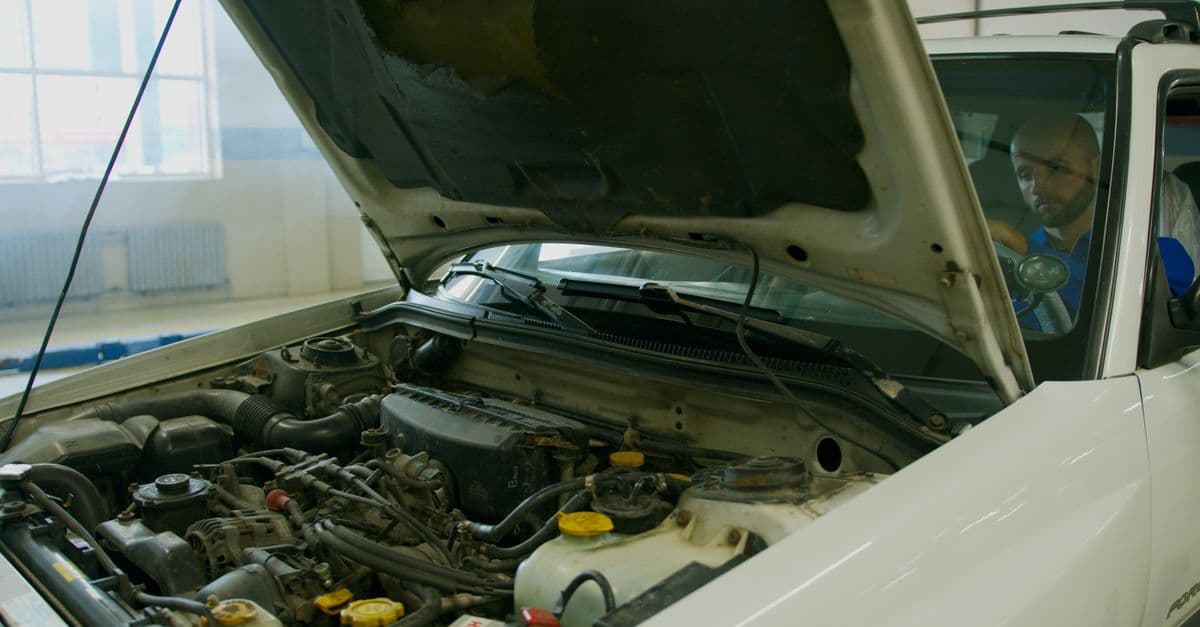
You can pinpoint the exact source of sensor fusion failures—whether they stem from misaligned camera/LiDAR/radar extrinsic calibration, timestamp desynchronization, data validation gaps, or algorithmic issues. This skill decomposes multi-modal perception errors into sensor-specific contributions and generates quantifiable diagnostic reports that directly guide calibration and testing teams toward fixes rather than blind troubleshooting.
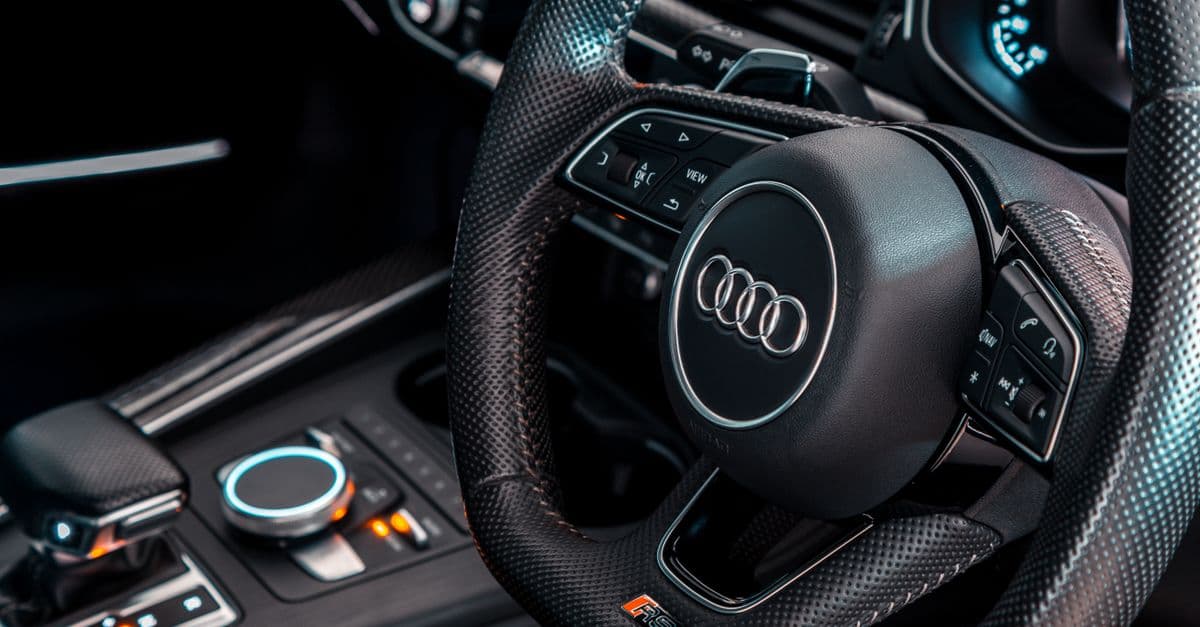
You can analyze multi-dimensional steering system performance including torque characteristics, self-alignment torque, steering angle feedback, road feel transmission, and torque vectoring effects. Extract actionable insights from simulation and test data to identify root causes of steering feel issues, then develop tuning recommendations for steering gear ratios, EPS algorithms, suspension geometry effects, and torque vectoring control strategies.

This skill helps you architect platform strategy by generating decision frameworks, prioritization matrices, and roadmap plans that account for developer ecosystem impact. You'll analyze tradeoffs between breaking changes, feature velocity, and technical debt to make confident platform decisions. It synthesizes developer feedback, competitive positioning, and business goals into actionable strategic outputs that your team can execute.
You can design complete AUTOSAR 4.x system architectures by automating component allocation across abstraction layers, modeling port interactions and service interfaces, and validating compliance with AUTOSAR standards. Claude helps you create standardized architecture documentation, detect circular dependencies and interface mismatches, and generate port interaction matrices—accelerating ECU architecture development while ensuring standards adherence.

You can analyze FEA thermal simulation data to identify motor hotspots, calculate heat generation from motor losses across operating points, evaluate competing cooling solutions quantitatively, and troubleshoot excessive temperature rise during dyno testing. The skill helps you validate thermal management design margins, assess motor lifetime degradation risk, and optimize cooling loop efficiency—enabling data-driven thermal design decisions before building prototypes.

You can efficiently diagnose complex NVH concerns by working through a structured framework that correlates customer symptoms with potential powertrain failures. This skill helps you narrow diagnostic possibilities, recommend targeted testing sequences, distinguish between component failures and tuning issues, and substantiate warranty claims with technical evidence.
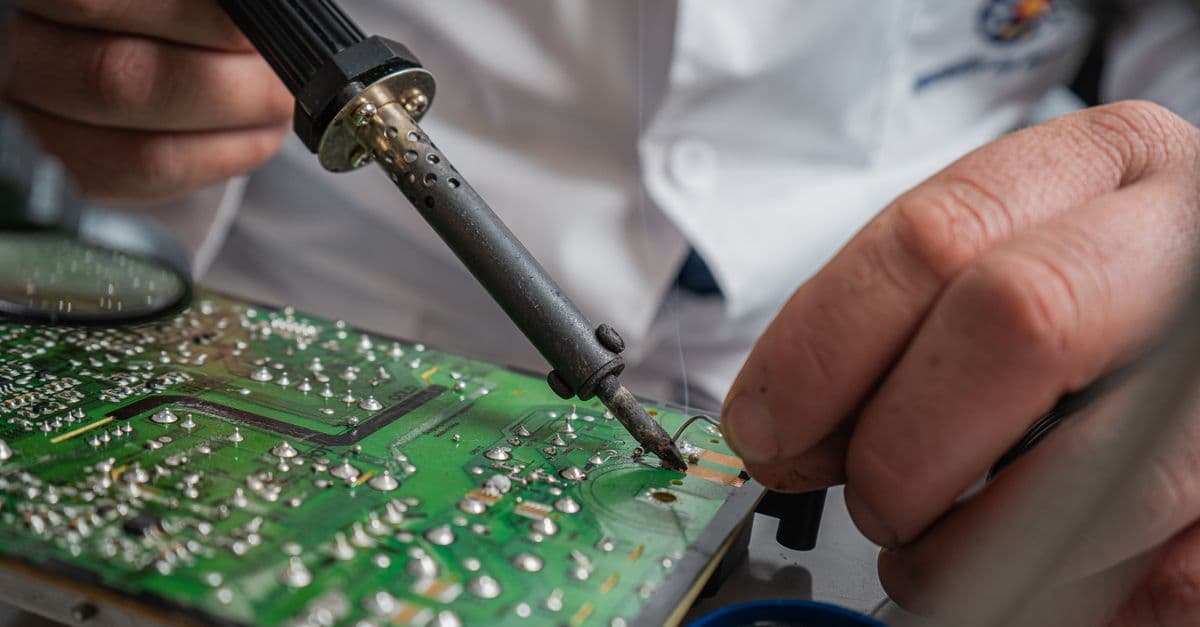
You can model transient and steady-state thermal behavior in EV power electronics, calculate junction temperature rise during driving cycles, and design cooling strategies that meet automotive thermal specifications. This skill helps you size heat sinks, evaluate thermal interface materials, compare active versus passive cooling approaches, and validate designs against AEC-Q200 and ISO 16750-3 standards.

You can quantify sensor fusion performance across object detection, classification, tracking, and localization using standardized metrics. The framework helps you identify systematic failure modes in diverse environmental conditions, document safety-critical gaps, and generate structured evidence packages for ISO 26262 and SOTIF compliance. This enables you to benchmark sensor configurations, define perception KPIs, and support regulatory submissions with rigorous performance documentation.