


Vehicle Diagnostic Protocol Analyzer
Analyze OBD fault codes and sensor data to pinpoint vehicle diagnostic root causes

What You Can Do
You can rapidly convert raw diagnostic fault codes, sensor readings, and freeze frame data into structured root cause hypotheses using protocol specifications and fault tree analysis. The skill cross-references OBD-II codes against CAN/LIN communication logs and ECU interdependencies to identify whether failures stem from electrical, software calibration, or network-layer issues—reducing diagnostic time from days to hours and eliminating false repair attempts.
Features
Convert P/B/C/U-codes into actionable failure hypotheses with protocol-specific context
Extract and correlate sensor values, timing conditions, and system state at fault occurrence
Rapidly extract J1939, UDS, and OEM specification sections relevant to fault symptoms
Trace multi-layer electrical and software root causes across ECU networks
Analyze bus communication logs to isolate network faults from sensor failures
Cross-check proposed fixes against system interdependencies and calibration requirements
Design reproducible bench and vehicle test procedures for intermittent faults
Example Output
Example 1: P0128 Coolant Thermostat Analysis
Input: P0128 DTC, freeze frame showing coolant temp 65°C at startup, CAN log of ECT sensor variance ±2°C
Output:
- Primary Hypothesis: Stuck-open thermostat or ECT sensor signal degradation
- Secondary Check: Verify cooling fan relay activation timing against specification
- Test Plan: Capture 10-minute ECT ramp curve; compare against OEM calibration table; check CAN message frequency on CANHS_Engine
- Likelihood: 78% thermostat, 18% sensor, 4% wiring
Example 2: U0101 Lost Communication with TCM
Input: U0101 DTC, CAN bus log showing TCM message gaps, freeze frame from highway operation
Output:
- Root Cause Path: Low CAN voltage (9.2V) → TCM transceiver brown-out → Message collision on CAN_IHS
- Electrical Check: Battery voltage drop under 500A load; verify TCM 12V supply and GND resistance <0.1Ω
- Network Analysis: TCM transmit rate increased to 50ms; conflicts with PCM at 25ms. Recommend TCM firmware 2.14+ update
- Validation: Bench test with controlled voltage sag; confirm TCM recovery timing <200ms
What's Included
- SKILL.md: Complete diagnostic protocol framework with use-case guidelines
- OBD Code Reference Matrix: P/B/C/U-code categories mapped to likely root cause paths
- Fault Tree Template: Fillable worksheet for multi-layer electrical/software failure analysis
- CAN/LIN Message Decoder Checklist: Protocol-specific fields and diagnostic extraction steps
- Test Plan Workbook: Standardized format for designing repeatable diagnostic procedures
Who It's For
- Automotive embedded software engineers debugging ECU and multi-network vehicle faults
- Powertrain diagnostic technicians analyzing complex P-codes and sensor interdependencies
- Field service engineers validating repair strategies before customer vehicle deployment
- OEM diagnostic system developers building repeatable test procedures
- Warranty claim analysts documenting root causes for engineering review and compliance
Best For
- OBD-II DTC decoding and freeze frame correlation analysis
- CAN/LIN network fault isolation and message timing analysis
- Multi-ECU diagnostic workflows across powertrain, chassis, and body systems
- Intermittent fault investigation requiring reproducible test design
- Post-update calibration validation and flashing issue troubleshooting
You might also like
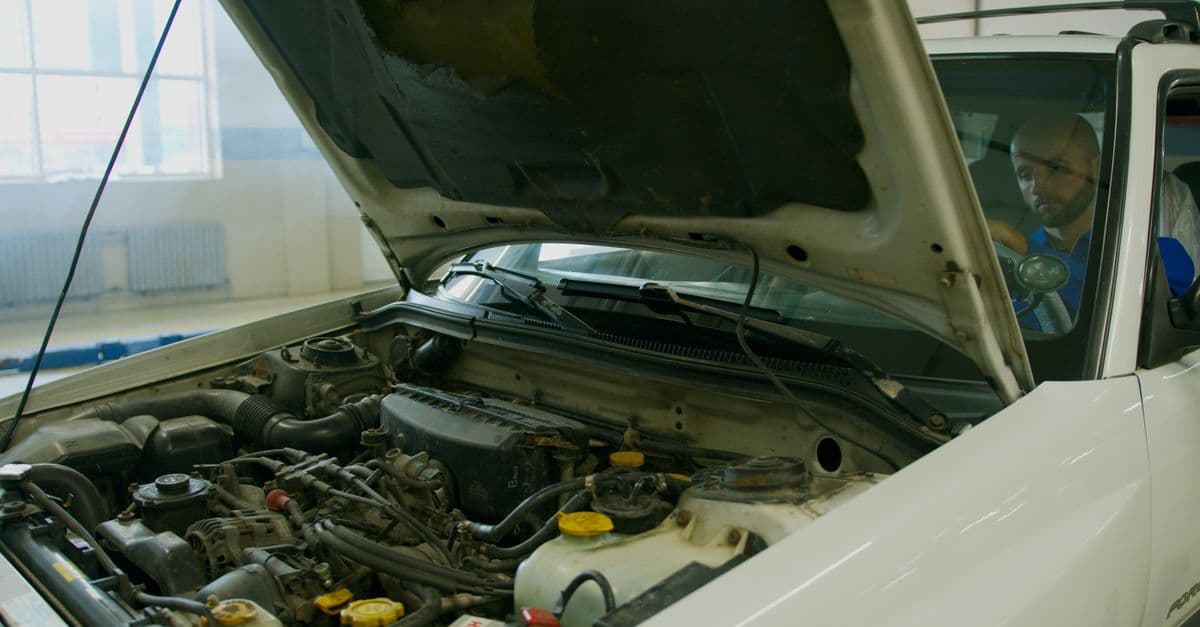
You can pinpoint the exact source of sensor fusion failures—whether they stem from misaligned camera/LiDAR/radar extrinsic calibration, timestamp desynchronization, data validation gaps, or algorithmic issues. This skill decomposes multi-modal perception errors into sensor-specific contributions and generates quantifiable diagnostic reports that directly guide calibration and testing teams toward fixes rather than blind troubleshooting.
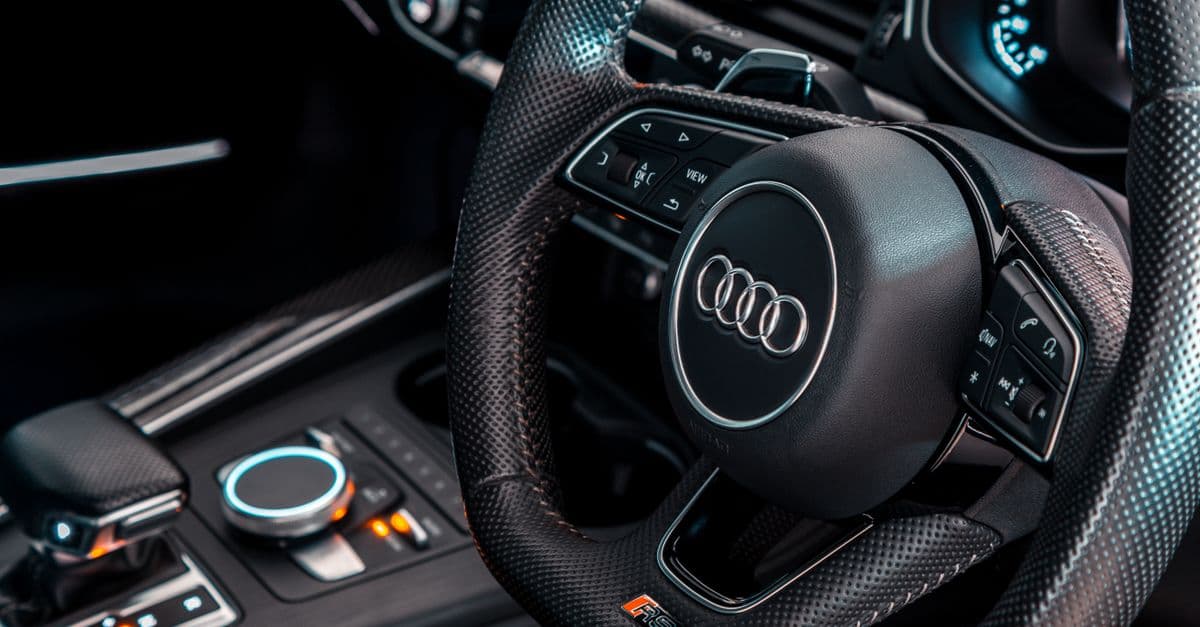
You can analyze multi-dimensional steering system performance including torque characteristics, self-alignment torque, steering angle feedback, road feel transmission, and torque vectoring effects. Extract actionable insights from simulation and test data to identify root causes of steering feel issues, then develop tuning recommendations for steering gear ratios, EPS algorithms, suspension geometry effects, and torque vectoring control strategies.

You can design complete AUTOSAR 4.x system architectures by automating component allocation across abstraction layers, modeling port interactions and service interfaces, and validating compliance with AUTOSAR standards. Claude helps you create standardized architecture documentation, detect circular dependencies and interface mismatches, and generate port interaction matrices—accelerating ECU architecture development while ensuring standards adherence.
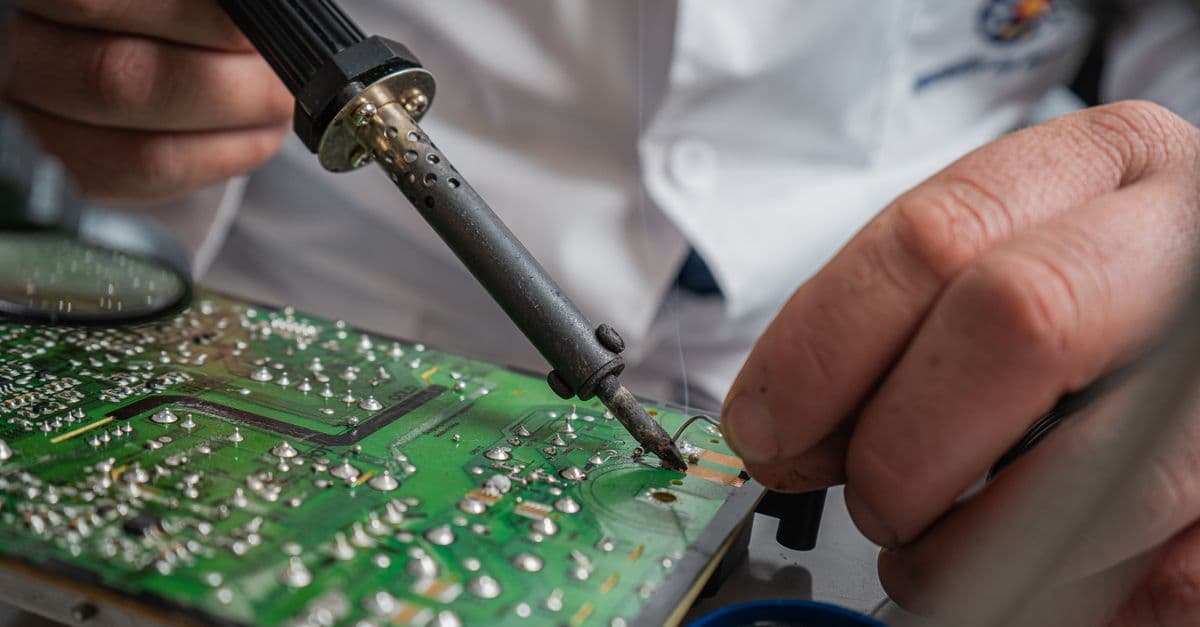
You can model transient and steady-state thermal behavior in EV power electronics, calculate junction temperature rise during driving cycles, and design cooling strategies that meet automotive thermal specifications. This skill helps you size heat sinks, evaluate thermal interface materials, compare active versus passive cooling approaches, and validate designs against AEC-Q200 and ISO 16750-3 standards.

You can validate AUTOSAR software architectures across multiple compliance dimensions—layer separation, component interfaces, port definitions, service interfaces, and communication semantics. The skill identifies structural violations, missing documentation artifacts, and compliance gaps early in the design phase, helping you catch issues before formal gates and functional safety audits. It generates architecture compliance reports and documentation needed for ISO 26262 functional safety reviews.

You can evaluate simulation scenarios against functional safety and SOTIF requirements, identify untested edge cases and high-risk operational design domains, map failure modes to root causes, and generate traceability matrices linking requirements to validation results. This skill transforms raw simulation data into defensible technical documentation that demonstrates test completeness and readiness for real-world deployment.

You can decode SAE J2012 standard CAN diagnostic trouble codes (P, B, C, and U codes) with manufacturer-specific extensions, analyze multi-frame fault sequences and temporal patterns across multiple modules, and generate structured diagnostic hypotheses that differentiate between electrical, communication, and algorithmic failures. This skill transforms raw DTC data into actionable investigation vectors, reducing diagnostic analysis cycles from hours to minutes while improving root cause accuracy.

You can quantify sensor fusion performance across object detection, classification, tracking, and localization using standardized metrics. The framework helps you identify systematic failure modes in diverse environmental conditions, document safety-critical gaps, and generate structured evidence packages for ISO 26262 and SOTIF compliance. This enables you to benchmark sensor configurations, define perception KPIs, and support regulatory submissions with rigorous performance documentation.