

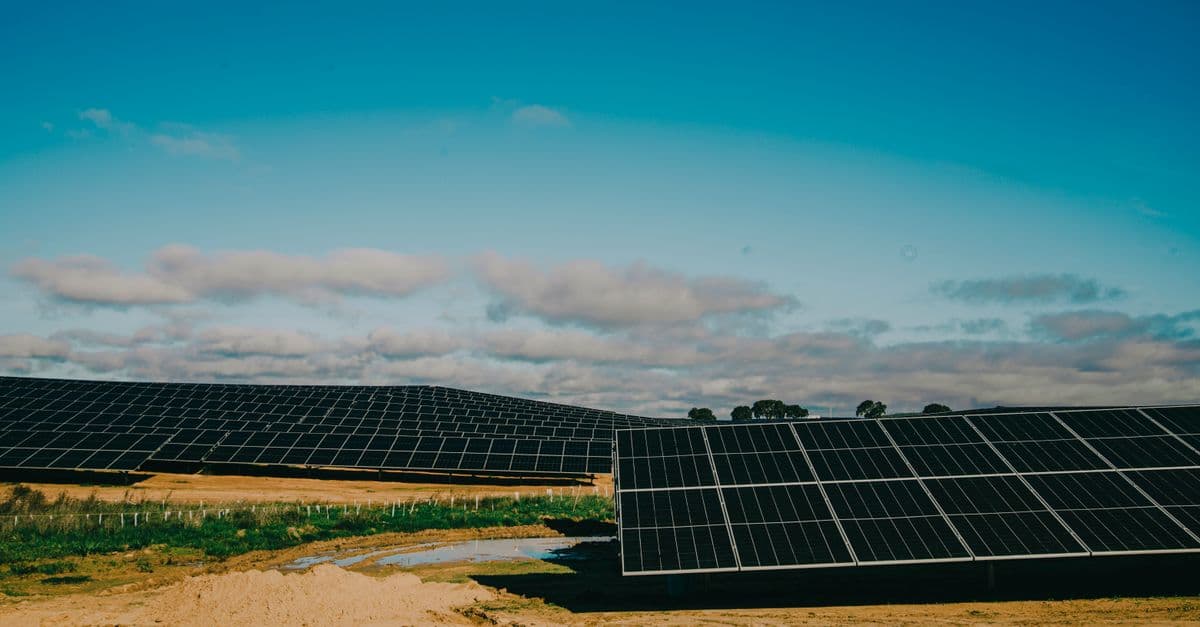
Utility-Scale Solar Performance Analyzer
Analyze degradation, forecast losses, and optimize O&M for utility-scale solar plants
What You Can Do
You can systematically interpret complex performance datasets from utility-scale solar plants (1 MW to 500+ MW) to identify root causes of underperformance, quantify degradation rates and soiling losses, and model maintenance interventions with quantified ROI. Claude helps you benchmark your plant against similar installations, forecast cash flow impacts of O&M decisions, and prioritize repairs or cleaning cycles based on actual performance data rather than generic schedules.
Features
Calculate annual and seasonal degradation curves from multi-year performance data to distinguish normal aging from anomalies
Identify whether underperformance is driven by soiling, inverter clipping, thermal losses, string failures, or equipment degradation
Compare actual vs. expected output by normalizing for plane-of-array irradiance, temperature, and ambient conditions
Evaluate the cost-benefit of different cleaning frequencies based on soiling impact and recovery curves
Rank inverters, strings, and sub-arrays by performance loss to focus O&M resources on highest-impact interventions
Project cash flow impacts and performance degradation under different maintenance strategies
Compare your plant's performance metrics against similar installations in your climate zone and technology type
Assess the effectiveness of past maintenance decisions using quantified before/after performance comparisons
Example Output
Example 1: Soiling Impact Analysis
Input: Monthly performance data (kWh), POA irradiance, rainfall, and cleaning dates for a 50 MW plant in the Southwest US.
Output:
- Soiling loss rate: 0.38% per day (escalating to 0.62% in dry season)
- Optimal cleaning cycle: Every 28 days during summer, every 45 days in winter
- Annual revenue impact of current cleaning schedule: $47K
- Projected savings with optimized schedule: $12K/year
Example 2: Degradation Rate Quantification
Input: 4 years of annual performance data from a 150 MW plant, normalized by irradiance and temperature.
Output:
- Overall degradation rate: 0.52% per year (within industry standard of 0.5–0.8%)
- Inverter A3 showing elevated degradation at 0.85%/year → recommend evaluation for replacement in Year 3
- String cluster B2-4 underperforming by 3.2% vs. baseline → potential wiring or module failure; recommend IR thermography
Example 3: Maintenance Strategy ROI
Input: Current O&M budget, proposed equipment upgrade, and 3-year performance forecast.
Output:
- Scenario A (status quo): Projected 4.1% cumulative output loss over 3 years; $180K cash impact
- Scenario B (inverter replacement): $85K capital investment; avoids $140K in output losses; net benefit $55K over 3 years
- Recommendation: Proceed with Scenario B in Q2 to align with seasonal maintenance window
What's Included
- SKILL.md: Core instruction file with skill overview, use cases, and analysis workflows
- Performance Data Template: Spreadsheet structure for inputting SCADA logs, irradiance, temperature, and cleaning event data
- Degradation Analysis Checklist: Step-by-step guide to prepare data, normalize outputs, and interpret degradation curves
- O&M ROI Calculator Framework: Cost-benefit comparison template for evaluating maintenance strategies
- Benchmarking Reference Guide: Industry-standard degradation rates, soiling factors, and climate-specific performance metrics for utility-scale PV
Who It's For
- Solar Operations Engineers — Managing day-to-day performance and scheduling maintenance interventions
- Asset Managers — Optimizing O&M budgets and forecasting long-term cash flow for utility-scale portfolios
- Plant Performance Analysts — Diagnosing underperformance and supporting performance guarantee claims
- Energy Procurement Teams — Quantifying degradation for energy purchase agreements and interconnection studies
- Solar Project Developers — Validating performance assumptions post-COD and optimizing operational strategies
Best For
- Performance degradation quantification and trend analysis for multi-year operational plants
- Soiling impact assessment and cleaning cycle optimization
- Inverter and sub-array underperformance diagnosis and prioritization
- Operations & maintenance strategy ROI modeling and cost-benefit analysis
- Plant benchmarking against regional or global utility-scale PV performance standards
- Pre-acquisition due diligence and performance guarantee validation
You might also like
You can rapidly generate optimized PV system designs that synthesize site characteristics, equipment specifications, electrical standards, and performance requirements into actionable array layouts and electrical configurations. This skill accelerates design iteration by systematically evaluating competing constraints—energy capture maximization, electrical loss minimization, grid code compliance, thermal management, and cost optimization—without replacing professional engineering judgment, ensuring designs align with industry best practices.
 by devsoul2026
Cut negotiation time by half using battle-tested deal structures and contract templates. Identify hidden liabilities before they cost you millions. Maximize royalty rates and advance payments by understanding your true leverage position and using psychology-backed counter-offer strategies.
 by savvy-web
You can systematically evaluate blade aerodynamic performance, predict power generation across wind speed ranges, and calculate critical structural loads like root bending moments during the design phase. This skill applies momentum theory, blade element momentum (BEM) theory, and empirical aerodynamic models to validate rotor concepts, optimize blade geometry, and identify performance limitations before committing to expensive CFD simulations or physical testing.
by savvy-web
You can evaluate distribution network configurations, calculate pressure drop across pipeline segments, determine compressor station requirements, assess material compatibility risks, and map safety protocols against regulatory frameworks. This skill handles the unique engineering demands of hydrogen distribution—accounting for hydrogen's lower volumetric energy density, higher diffusivity, and embrittlement risks—to transform conceptual designs into actionable implementation blueprints.
by savvy-web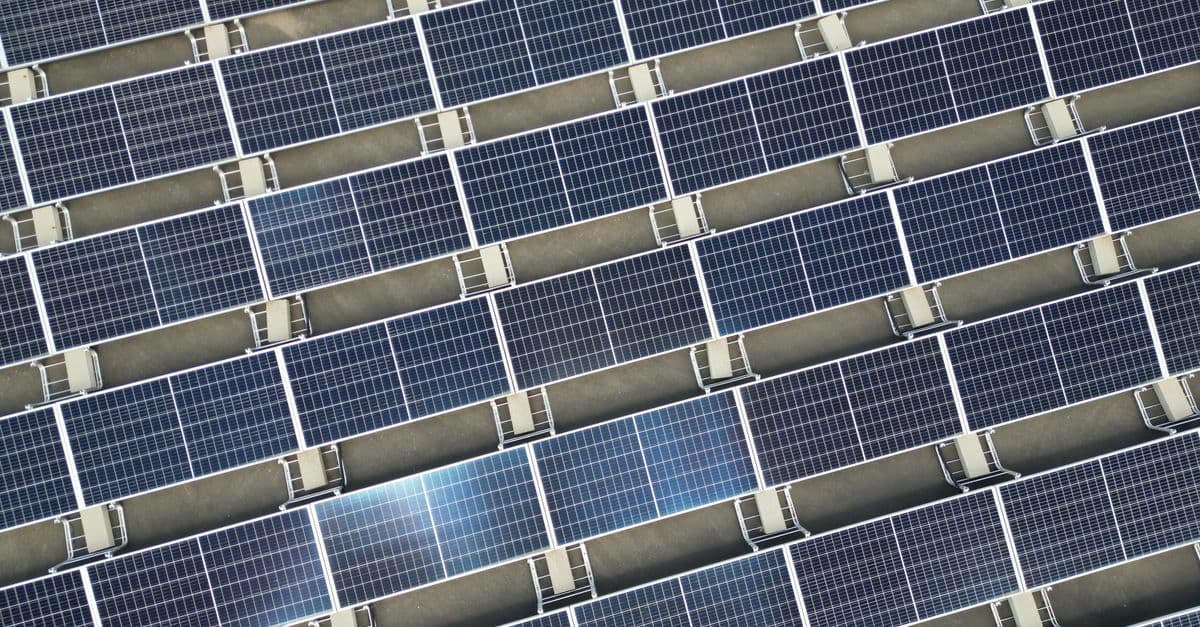
This skill transforms utility bills and site data into complete solar PV system designs that balance performance, cost, and reliability. You'll get accurately sized systems with specific equipment recommendations (modules, inverters, racking), performance projections, financial modeling including incentives and tax credits, and documentation ready for permitting and client presentations. It applies electrical engineering principles, industry standards (NEC, IEEE 1547), and regional solar resource data to identify constraints and optimize designs early in the process.
by savvy-web
You can upload SCADA data, inverter logs, weather station readings, and system specifications to receive structured performance analysis. Claude interprets multi-variable datasets to diagnose generation anomalies, quantify specific loss categories (soiling, clipping, downtime), calculate availability-adjusted yields, and benchmark facility metrics against industry standards. The skill produces technical root cause reports suitable for O&M teams, insurance claims, and contractual performance disputes.
by devsoul2026
You can perform comprehensive thermal load calculations for district heating networks, match heat demand profiles against geothermal production capacity, and identify system optimization opportunities. This skill translates building-level heat requirements into network-wide specifications, validates supply-demand balance, and ensures designs meet local heating efficiency standards while minimizing capital and operational costs.
by savvy-web