

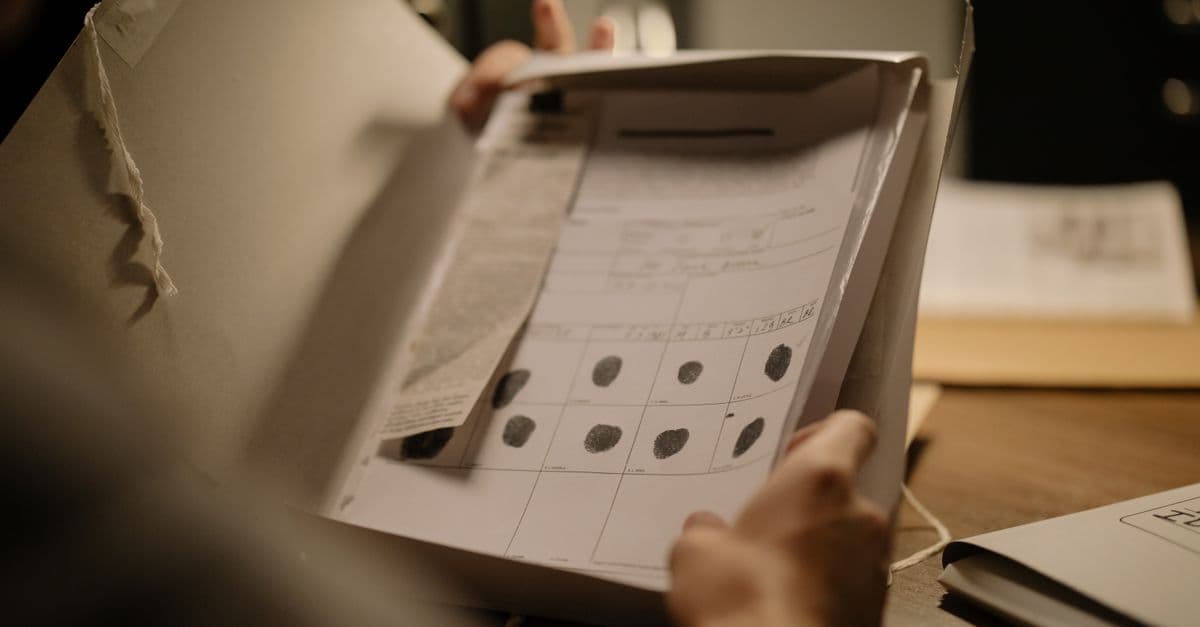
Trace Evidence Analysis Framework
Document, analyze, and interpret trace evidence with forensic-grade chain of custody protocols
What You Can Do
You can organize complex trace evidence cases from evidence intake through expert report generation. The framework guides you through meticulous documentation, comparative microscopy protocols, interpretation of transfer mechanisms, statistical significance assessment, and preparation of expert testimony materials. This ensures your findings are scientifically defensible and properly contextualized for criminal proceedings.
Features
maintains evidence integrity tracking from collection through analysis and testimony
systematically catalog questioned samples and reference materials for multi-item cases
structured methodology for comparing trace evidence against known references using validated techniques
assess and document how trace evidence was deposited, transferred, or persisted on evidence items
evaluate the probative value and limitations of trace findings within forensic context
produce findings summaries that clearly communicate conclusions, methodologies, and limitations for legal proceedings
anticipate cross-examination challenges and prepare defensible responses to technical questions
navigate complex trace evidence interpretation scenarios with structured analysis pathways
Example Output
Chain of Custody Documentation:
- Item #1 (Questioned): Blue polyester fibers from suspect jacket sleeve
- Collected: 01/15/2024, Investigator J. Smith
- Transferred: 01/16/2024 to Trace Lab Technician M. Johnson
- Analysis date: 01/18/2024
- Current custody: Secure evidence locker, Shelf C-12
Comparative Analysis Summary:
- Questioned fibers: Microscopic examination confirms blue polyester, 75-85 microns diameter, trilobal cross-section
- Reference material: Jacket fiber control shows consistent morphology and optical properties
- Comparison result: ✓ Consistent with garment source; fibers could have transferred through contact
Expert Report Excerpt: "Microscopic examination of eleven fibers recovered from the suspect's jacket is consistent with fibers obtained from the victim's sweater. While this evidence supports contact between the two individuals, fiber evidence alone cannot definitively establish presence at a specific location or time."
What's Included
- SKILL.md instruction file with systematic methodology:
- Chain of custody template with required tracking fields and signature protocols:
- Evidence intake checklist for organizing questioned and reference samples:
- Comparative analysis framework with microscopy protocols and documentation standards:
- Expert report template meeting legal admissibility requirements:
- Cross-examination preparation guide with common challenges and response strategies:
- Transfer mechanism assessment worksheet for documenting deposition pathways:
- Statistical limitations reference guide for trace evidence probative value:
Who It's For
- Forensic trace evidence scientists analyzing fibers, hair, glass, paint, soil, gunshot residue, or botanical materials
- Crime laboratory supervisors overseeing trace evidence workflows and quality assurance
- Forensic consultants preparing expert opinions and courtroom testimony
- Criminal investigators collecting and submitting trace evidence with proper documentation
- Legal professionals preparing expert witnesses and understanding trace evidence limitations
Best For
- Systematically documenting and analyzing complex trace evidence from multi-item cases
- Conducting comparative microscopy analysis and interpretation
- Generating expert reports that withstand legal scrutiny and cross-examination
- Establishing defensible chain of custody protocols
- Preparing deposition testimony and anticipating technical challenges
- Assessing statistical significance and probative limitations of findings
You might also like

Generate complete multi-hazard preparedness frameworks that systematically address prevention, protection, mitigation, response, and recovery phases specific to your jurisdiction. The skill integrates hazard vulnerability assessments with community assets, identifies capability gaps, and produces executable timelines that drive preparedness investments and training programs—transforming 200+ hours of manual planning into audit-ready documentation aligned with FEMA standards and state/local requirements.
 by geemal2004
You can analyze complex DNA evidence from crime scenes, evaluate mixture profiles with multiple contributors, compare reference samples to casework profiles, and generate expert reports that clearly separate data, analysis, and conclusions. This skill helps you identify interpretive challenges before they become courtroom vulnerabilities and prepares you for depositions or trial testimony by ensuring your methodology and limitations are thoroughly documented.
by geemal2004
You can manage the complete digital evidence lifecycle—from initial device assessment through expert testimony preparation. This skill ensures forensic soundness, legal admissibility, and compliance with evidentiary standards (Daubert, FRE 702) while documenting proper chain of custody procedures. You'll generate forensically valid reports that clearly explain methodologies to non-technical audiences and prepare materials that defend your findings under cross-examination.
by geemal2004
You can conduct systematic ballistic examinations of firearms, ammunition, and recovered evidence while generating defensible, court-ready documentation. This skill guides you through evidence reception protocols, microscopic comparison methodologies, NIBIN database searches, and comprehensive report writing that meets Association of Firearm and Tool Mark Examiners (AFTE) standards and withstands legal scrutiny.
by geemal2004
You can generate comprehensive, standards-compliant fire safety curricula tailored to specific age groups and community audiences. Claude helps you develop learning objectives aligned with educational frameworks, create instructor-ready presentation outlines with embedded compliance checks, design assessment tools to measure program effectiveness, and structure community education campaigns that drive measurable behavior change while meeting NFPA 1035 requirements.
by geemal2004
This skill systematically validates chain-of-custody records for digital forensic evidence against federal, state, and local legal standards. You input your CoC documentation and the skill identifies gaps, inconsistencies, and procedural violations that could compromise evidence admissibility, then generates defensible narratives explaining how evidence remained uncontaminated throughout collection, storage, and analysis.
by geemal2004
You can create comprehensive firearms examination reports that address Daubert standards and withstand cross-examination. The skill guides you through documenting comparative ballistic analysis, organizing microscopic findings, and preparing testimony notes with case-specific defense scenarios. You'll maintain transparent chain-of-custody records and structure your methodology to demonstrate scientific defensibility and examiner expertise.
by geemal2004
You can systematically analyze building violations against current fire codes and generate detailed deficiency reports that cite specific NFPA 101 and International Fire Code sections. The skill creates legally defensible enforcement documentation with clear compliance timelines, corrective action orders, and audit trails that withstand administrative hearings or appeals. You'll produce consistent, jurisdiction-compliant violation notices that reduce liability exposure and establish enforceable compliance deadlines.
by geemal2004