

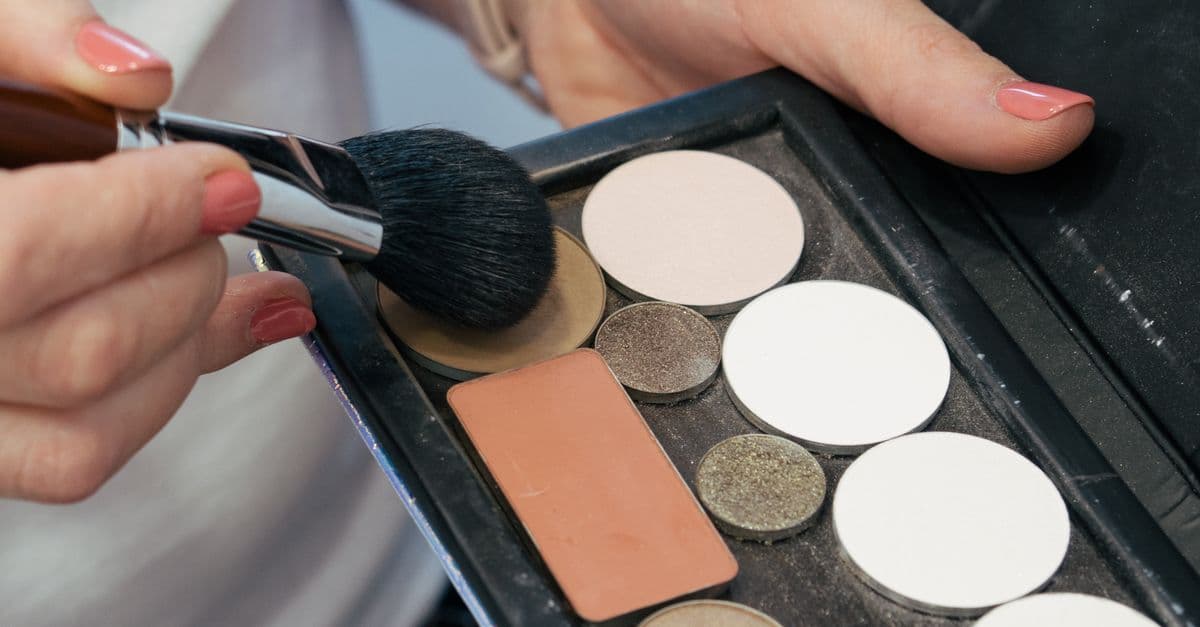
Technique Demonstration Builder for Beauty Educators
Create safety-conscious technique demonstrations with prerequisites and troubleshooting
What You Can Do
You can transform your beauty techniques into structured training content that protects both students and clients. This skill generates detailed technique demonstrations with prerequisite checklists, step-by-step visual instructions adapted for different hair/skin types, explicit safety protocols, common mistakes, troubleshooting pathways, and assessment rubrics—ensuring consistency across your training materials and reducing liability risk.
Features
identifies skill levels, tools, and client conditions students must verify before attempting techniques
embeds explicit safety checks, contraindications, and risk mitigation throughout demonstrations
creates detailed step-by-step instructions with client positioning, tool angles, and technique cues
documents common technique failures and provides diagnostic questions to resolve issues
generates proficiency rubrics for evaluating student technique execution
customizes instructions for different hair textures, skin types, or client conditions
develops client care instructions tied directly to the technique performed
flags safety gaps and documentation needs for professional credibility
Example Output
Example 1: Hair Color Technique Demonstration
Technique: Balayage Application for Level 7-9 Hair
Prerequisites Checklist:
- ☐ Client has no active scalp irritation or sensitivities
- ☐ Hair is unwashed for 48+ hours
- ☐ Strand test completed and documented
- ☐ Instructor: Verify student can identify undertones and section hair
Safety Protocol: Never apply bleach to hair previously color-treated within 14 days without patch test. Use barrier cream on hairline. Ensure 20+ minute processing time minimum.
Step-by-Step (Visual Description):
- Section hair into 4 quadrants using clips
- Begin at mid-lengths (not scalp); use feathering technique at 45° angle
- Apply to darker pieces first; lighter pieces last
Common Mistakes & Troubleshooting:
- Uneven tone: Did you apply product from mid-length upward? Rebalance by applying to roots last.
Example 2: Skincare Facial Technique
Troubleshooting Pathway:
- Client reports tightness post-treatment → Check: Did you use warm water rinse? Was hydrating serum applied? Recommend: 24-hour hydration protocol.
What's Included
- SKILL.md instruction file with full framework:
- Prerequisite checklist template: customizable for your services
- Safety protocol checklist: embedded liability protection
- Step-by-step visual description framework: with adaptation guide for client types
- Troubleshooting decision tree: diagnostic pathway for common failures
- Assessment rubric template: for student proficiency evaluation
Who It's For
- Beauty educators and salon trainers — to create consistent, client-safe technique documentation
- Nail technician instructors — for manicure, pedicure, and nail art technique training
- Hair color specialists — developing balayage, ombre, or color correction demonstrations
- Estheticians and skincare trainers — building facial treatment and skincare application curricula
- Makeup artist educators — creating makeup application technique guides for students
Best For
- Documenting signature techniques for instructor consistency
- Creating prerequisite checklists before students attempt advanced procedures
- Building step-by-step guides adapted for different hair/skin types
- Developing troubleshooting protocols for technique failures
- Creating assessment rubrics for student proficiency evaluation
- Developing licensing exam prep content with safety-first approach
You might also like
Coordinate pricing, service menus, and product offerings across all locations while accommodating local market variations. Synchronize inventory levels to prevent stockouts at high-performing sites and overstock at slower locations. Generate cross-location staff scheduling recommendations that balance labor costs with service demand. Identify underperforming services or locations through comparative analytics and receive data-driven optimization recommendations.
 by atopile
You can analyze historical sales data to identify seasonal trends and slow-moving SKUs, calculate optimal reorder quantities based on shelf space and turnover targets, evaluate vendor reliability and negotiate volume discounts, and model the profit impact of assortment changes. This skill transforms purchasing from guesswork into a systematic, data-backed process that balances margin requirements with inventory turnover.
by atopile
Transform raw price data into actionable trading signals by systematically identifying technical chart patterns with quantified win rates and precise entry/exit levels. Stop guessing which setups are worth trading. Get a probability score and risk/reward ratio for every pattern Claude finds, letting you focus capital only on high-conviction setups that match your edge.
by atopile
You can input your current salon schedule, staff roster, service menu, and utilization data to identify revenue gaps and inefficiencies. Claude analyzes staggered service durations, chair dependencies, and staff skill matching to recommend optimized schedules that increase per-chair revenue while reducing client wait times and staff idle time. You'll receive actionable scheduling adjustments tailored to your salon's specific services and constraints.
by atopile
You can analyze beauty trend signals across multiple independent data sources—social media, retail analytics, ingredient innovations, and demographic shifts—to distinguish between micro-trends (3-6 month lifecycle) and macro-trends (24+ month runway). The skill helps you quantify trend velocity, identify category expansion opportunities, time market entry windows before trends peak, and assess saturation levels to guide purchasing decisions and inventory investment with confidence.
by atopile
You'll create personalized salary negotiation scripts that combine market research, role-specific strategies, and objection-handling techniques. The skill generates dialogue examples, counter-arguments backed by industry data, and psychological frameworks to confidently approach salary conversations. Each script is tailored to your position, experience level, and target compensation range.
by atopile
You can input your historical sales data, seasonal trends, and inventory metrics to receive Claude-generated demand forecasts and distribution optimization recommendations. This skill identifies salon-specific patterns—stylist preferences, seasonal treatment cycles, regional variations, and promotional impact—to help you reduce stockouts and overstock situations while improving cash flow across your retail network.
by atopile
You'll transform product information into educator-ready curricula that teach beauty professionals foundational chemistry, advanced consultation techniques, objection handling, and client-facing talking points. The skill generates modular training programs tailored to different learning styles and experience levels, enabling you to onboard teams confidently, launch new products rapidly, and build certification-track programs that maintain scientific accuracy and brand alignment.
by atopile