

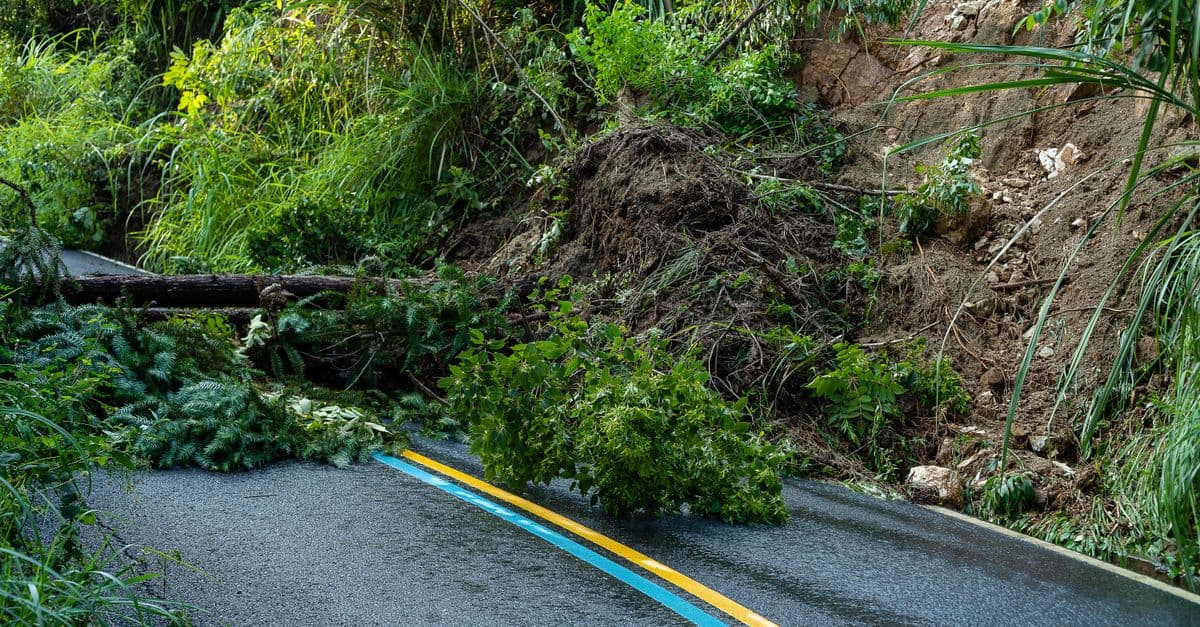
Technical Incident Investigation & Root Cause Analysis
Systematically investigate technical incidents and identify root causes
What You Can Do
Structure your incident investigations from detection through resolution with a methodical framework that identifies root causes, analyzes contributing factors, and develops evidence-based corrective actions. You'll produce comprehensive investigation reports with regulatory compliance documentation, timeline reconstruction, and actionable recommendations—all meeting ISM Code standards and industry requirements. The skill guides you through each investigation stage, ensuring no critical factors are missed and all findings are properly documented.
Features
Apply systematic methodology to uncover the underlying causes behind technical incidents, moving beyond surface symptoms to discover the true sources of failure.
Build detailed chronological timelines of events, decisions, and system states leading up to and during the incident for clear cause-and-effect understanding.
Identify and categorize contributing factors including human error, environmental conditions, system failures, and procedural gaps that combined to cause the incident.
Design specific, measurable corrective actions targeting root causes and contributing factors to prevent recurrence and strengthen overall system resilience.
Structure your findings and recommendations to meet ISM Code requirements, maritime regulations, and other applicable industry compliance standards.
Create comprehensive, professionally-formatted investigation reports that document findings, conclusions, and recommendations with clear executive summaries and supporting evidence.
Evaluate incident severity, likelihood of recurrence, and residual risk to prioritize corrective actions and resource allocation.
Example Output
Example Investigation Summary
Incident: Engine overheat failure during port operations
Root Cause: Coolant circulation pump bearing failure due to inadequate maintenance interval
Timeline:
- 08:00 — Vessel begins port maneuvering
- 08:45 — Temperature alarm triggered
- 09:10 — Engine shutdown initiated
- 09:15 — Pump inspection reveals seized bearing (estimated 6-month wear)
Contributing Factors:
- Maintenance schedule not updated for 15-year-old pump model
- Temperature monitoring system delay (~40 minutes)
- Spare pump not maintained in inventory
Corrective Actions:
- Update pump maintenance to 12-month intervals (from 24 months)
- Install redundant temperature sensor with 5-minute alert threshold
- Stock compatible spare pump by Q3 2026
- Revise preventive maintenance SOP
Compliance Status: Meets ISM Code SMS 4-2 (incident investigation) requirements; report ready for maritime authority submission.
What's Included
- Investigation Framework: Structured 7-phase methodology guiding you from incident notification through final report delivery and implementation tracking.
- Root Cause Analysis Toolkit: Templates and prompts for 5-Why analysis, fishbone diagrams, fault tree analysis, and comparative causation methods—choose the approach that fits your incident.
- Report Templates: Pre-formatted markdown and text templates for executive summary, detailed findings, timelines, contributing factors, and recommendations sections.
- ISM Code Compliance Checklist: Verification checklist ensuring your investigation and report satisfy ISM Code requirements, SMS documentation, and maritime authority expectations.
- Evidence Organization System: Structured prompts for collecting and organizing witness statements, sensor data, maintenance records, and event logs into a coherent incident narrative.
Who It's For
- Safety & Quality Managers
- Maritime Operators & Ship Captains
- Incident Investigators
- Compliance Officers
- Risk Management Professionals
Best For
- Post-incident root cause investigations
- Regulatory compliance reporting
- Preventive action planning
- Incident report documentation
You might also like

Transform raw operational data from multiple vessels into compliance-ready briefings and executive dashboards in minutes. This skill aggregates vessel metrics, validates operations against maritime regulations, identifies risks, and generates formatted reports that keep leadership informed and compliance audits on track.
 by leogodin217
Get instant deal analysis, compliance risk assessment, and market intelligence for ship demolition transactions. This skill helps you evaluate vessel valuations, verify environmental and regulatory requirements, identify hidden liabilities, and generate professional deal summaries—saving weeks of manual research and reducing compliance risk.
by leogodin217
This skill helps you conduct comprehensive due diligence on newbuilding contracts by systematically analyzing technical compliance requirements, identifying financial risks, and uncovering deal structure vulnerabilities. You'll receive detailed risk assessments, compliance gap reports, and actionable mitigation strategies—enabling you to make informed decisions before signing, renegotiate unfavorable terms, and protect your investment throughout the construction period.
by leogodin217
This skill generates production-ready maritime safety documentation that meets IMO regulations and flag state requirements. You can create comprehensive safety procedures for critical operations, conduct structured vessel audits, investigate incidents systematically using maritime best practices, and produce Safety Management System (SMS) documentation. It streamlines your compliance workflows, reduces documentation time, and ensures consistent safety standards across your fleet.
by leogodin217
This skill evaluates vessel demolition compliance against IMO and environmental regulations, analyzes breaking yard agreements for fairness and risk, and provides valuation analysis for end-of-life ships. You get detailed regulatory assessments, contract risk analysis, and cost-benefit breakdowns to support informed decision-making in ship brokerage and demolition transactions.
by leogodin217
You can conduct systematic condition assessments of marine vessels across structural, mechanical, electrical, and safety systems. The skill generates detailed inspection reports with severity ratings, risk prioritization, and actionable maintenance recommendations. It helps you prioritize repairs by cost-benefit analysis and track vessel degradation trends over time.
by leogodin217
You can analyze your subscriber base to identify valuable audience segments, generate targeted growth strategies tailored to your niche and channels, and uncover conversion bottlenecks in your signup funnel. This skill helps you move beyond vanity metrics to build an engaged, monetizable audience that drives consistent business results.
by leogodin217
Conduct comprehensive analysis of vessel sales and purchase agreements, identifying critical commercial terms, legal risks, and operational implications. Structure complex maritime deals with optimized contingency clauses, payment schedules, and post-closing obligations. Generate detailed deal summaries, risk assessments, and financial impact analyses for brokers, shipowners, and maritime professionals.
by leogodin217