

Suspension Tuning Optimization Assistant
Analyze suspension data to generate balanced ride and handling tuning recommendations

What You Can Do
You input suspension parameters, test telemetry, and handling feedback to receive structured tuning analysis that identifies root causes—not just symptoms. This skill synthesizes vehicle dynamics principles with real data to generate prioritized recommendations for spring rates, damping curves, anti-roll bar stiffness, and geometry adjustments that balance competing objectives like comfort and cornering composure.
Features
Transform accelerometer traces, load cell readings, and onboard telemetry into actionable insights about ride harshness, body control, and handling limits
Trace complaints (stiff front end, unpredictable body roll) to specific suspension components and parameters rather than guessing
Quantify how changes to spring rates, damping, and roll stiffness distribution affect comfort vs. sportiness simultaneously
Rank recommendations by impact and feasibility, showing which adjustments deliver the largest gain-to-effort ratio
Evaluate how camber, caster, roll center height, and compliance changes influence NVH and handling balance
Merge telemetry patterns with driver feedback to validate which data points matter most
Create phased tuning plans for iterative prototype builds or production optimization cycles
Prepare suspension compromise analysis for design reviews and stakeholder sign-off
Example Output
Example 1: Ride Comfort Issue
Input: Prototype shows excessive harshness over 15–25 Hz bumps; accelerometer peaks at 0.8 g. Current: 28 kN/m springs, 3200 N·s/m damping.
Output:
- Root cause: Underdamped natural frequency (3.2 Hz); road inputs at 20 Hz hitting secondary resonance
- Recommendation: Reduce damping to 2800 N·s/m (lowers secondary peak by 0.2 g) OR increase spring stiffness to 30 kN/m (shifts resonance above road input band)
- Trade-off: Softer damping improves comfort but increases roll in corners by 0.3°; stiffer springs preserve handling but adds 0.1 g longitudinal harshness on braking
- Next step: Test Variant B (springs + damping blend) before committing to geometry change
Example 2: Handling Unbalance
Input: Vehicle understeers at 1.0 g lateral, but roll angle (5°) feels excessive for grip level; telemetry shows rear load transfer 8% lower than front.
Output:
- Root cause: Rear anti-roll bar too soft (18 kN/m) relative to front (22 kN/m); roll stiffness ratio 1.22:1 creates neutral-to-understeer bias
- Recommendation: Increase rear ARB to 21 kN/m (improves load transfer distribution, targets 1.05:1 ratio) and soften rear bump stop (compliance adds 1° roll but recovers 0.15 g lateral feel)
- Trade-off: Stiffer rear ARB reduces understeer but may increase rear NVH on rippled surfaces
- Validation: Predict 4.2° roll at 1.0 g (vs. current 5.0°); corner speed gain ~2 km/h before driver limits
What's Included
- SKILL.md: Complete framework for structured suspension analysis and recommendation generation
- Test Data Interpretation Template: Checklist for extracting insights from accelerometer traces, load cell readings, and telemetry logs
- Trade-off Matrix Worksheet: Structured comparison tool to weigh ride comfort, handling response, and stability against tuning changes
- Root-Cause Diagnosis Flowchart: Decision tree to link driver complaints to suspension parameters (springs, dampers, ARBs, geometry)
- Tuning Recommendation Report Format: Professional template for documenting analysis, trade-offs, and phased development roadmaps for engineering reviews
Who It's For
- Vehicle dynamics engineers optimizing prototype or production suspension packages during development cycles
- Chassis engineers investigating ride and handling complaints and preparing tuning recommendations
- Test engineers interpreting telemetry data and translating accelerometer/load cell readings into engineering insights
- Performance engineers balancing competing objectives (comfort vs. sportiness) across vehicle variants
- Design review stakeholders needing documented trade-off analysis and justification for suspension changes
Best For
- Analyzing test data from prototypes, development builds, or production vehicles to identify tuning opportunities
- Root-cause diagnosis of ride harshness, body roll, steering feel, or stability issues
- Evaluating spring rate, damping curve, anti-roll bar stiffness, and geometry trade-offs before physical iteration
- Generating phased tuning plans for iterative development or production optimization cycles
- Documenting suspension compromises and design decisions for engineering reviews and stakeholder approval
You might also like
You can pinpoint the exact source of sensor fusion failures—whether they stem from misaligned camera/LiDAR/radar extrinsic calibration, timestamp desynchronization, data validation gaps, or algorithmic issues. This skill decomposes multi-modal perception errors into sensor-specific contributions and generates quantifiable diagnostic reports that directly guide calibration and testing teams toward fixes rather than blind troubleshooting.
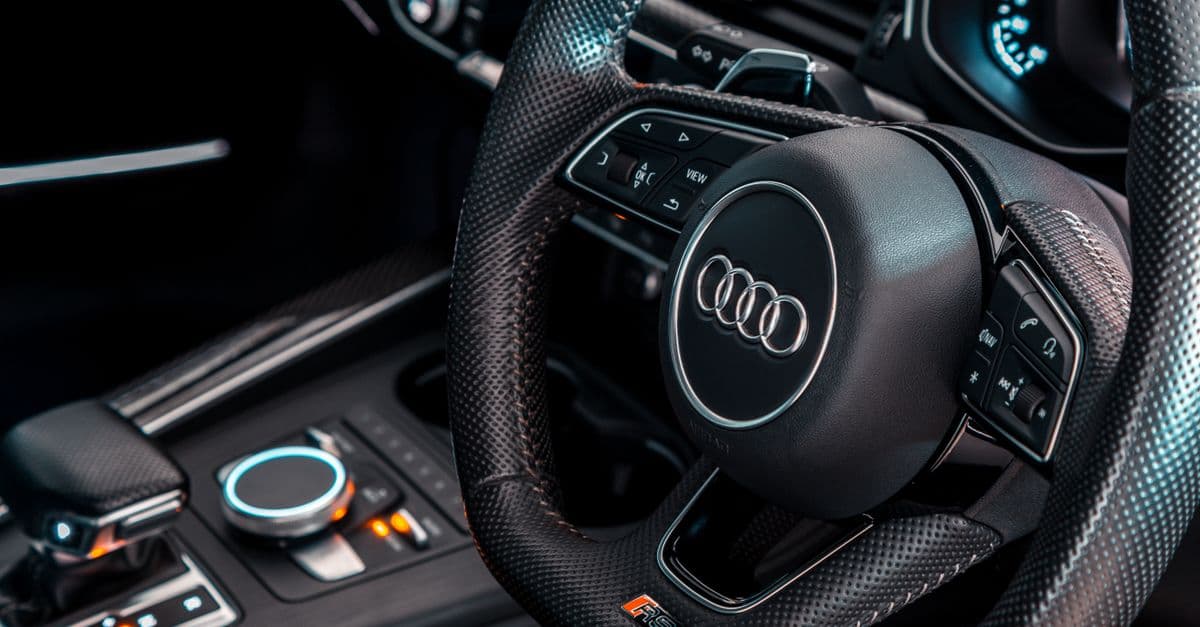
You can analyze multi-dimensional steering system performance including torque characteristics, self-alignment torque, steering angle feedback, road feel transmission, and torque vectoring effects. Extract actionable insights from simulation and test data to identify root causes of steering feel issues, then develop tuning recommendations for steering gear ratios, EPS algorithms, suspension geometry effects, and torque vectoring control strategies.

This skill helps you architect platform strategy by generating decision frameworks, prioritization matrices, and roadmap plans that account for developer ecosystem impact. You'll analyze tradeoffs between breaking changes, feature velocity, and technical debt to make confident platform decisions. It synthesizes developer feedback, competitive positioning, and business goals into actionable strategic outputs that your team can execute.

You can design complete AUTOSAR 4.x system architectures by automating component allocation across abstraction layers, modeling port interactions and service interfaces, and validating compliance with AUTOSAR standards. Claude helps you create standardized architecture documentation, detect circular dependencies and interface mismatches, and generate port interaction matrices—accelerating ECU architecture development while ensuring standards adherence.
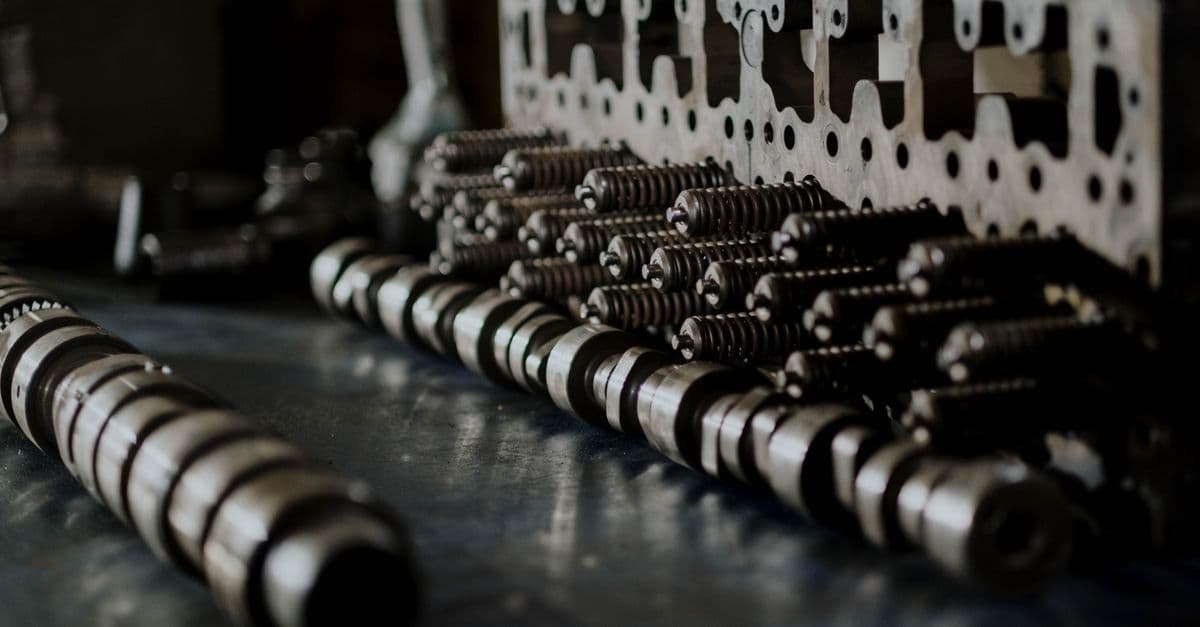
You can efficiently diagnose complex NVH concerns by working through a structured framework that correlates customer symptoms with potential powertrain failures. This skill helps you narrow diagnostic possibilities, recommend targeted testing sequences, distinguish between component failures and tuning issues, and substantiate warranty claims with technical evidence.
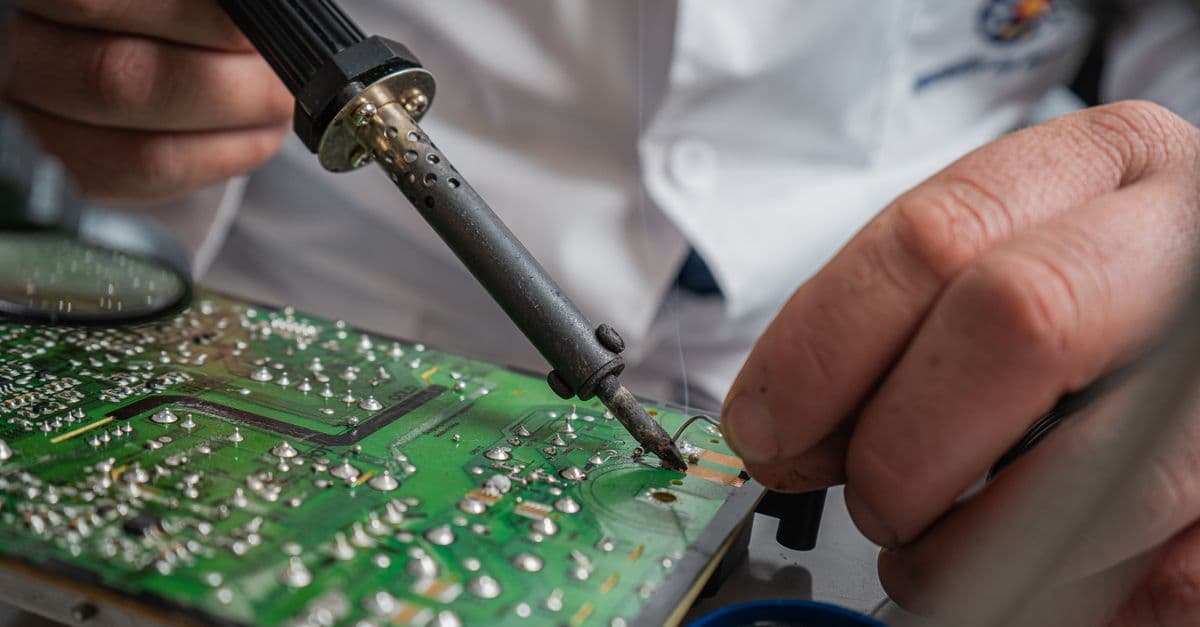
You can model transient and steady-state thermal behavior in EV power electronics, calculate junction temperature rise during driving cycles, and design cooling strategies that meet automotive thermal specifications. This skill helps you size heat sinks, evaluate thermal interface materials, compare active versus passive cooling approaches, and validate designs against AEC-Q200 and ISO 16750-3 standards.

You can validate AUTOSAR software architectures across multiple compliance dimensions—layer separation, component interfaces, port definitions, service interfaces, and communication semantics. The skill identifies structural violations, missing documentation artifacts, and compliance gaps early in the design phase, helping you catch issues before formal gates and functional safety audits. It generates architecture compliance reports and documentation needed for ISO 26262 functional safety reviews.

You can quantify sensor fusion performance across object detection, classification, tracking, and localization using standardized metrics. The framework helps you identify systematic failure modes in diverse environmental conditions, document safety-critical gaps, and generate structured evidence packages for ISO 26262 and SOTIF compliance. This enables you to benchmark sensor configurations, define perception KPIs, and support regulatory submissions with rigorous performance documentation.