

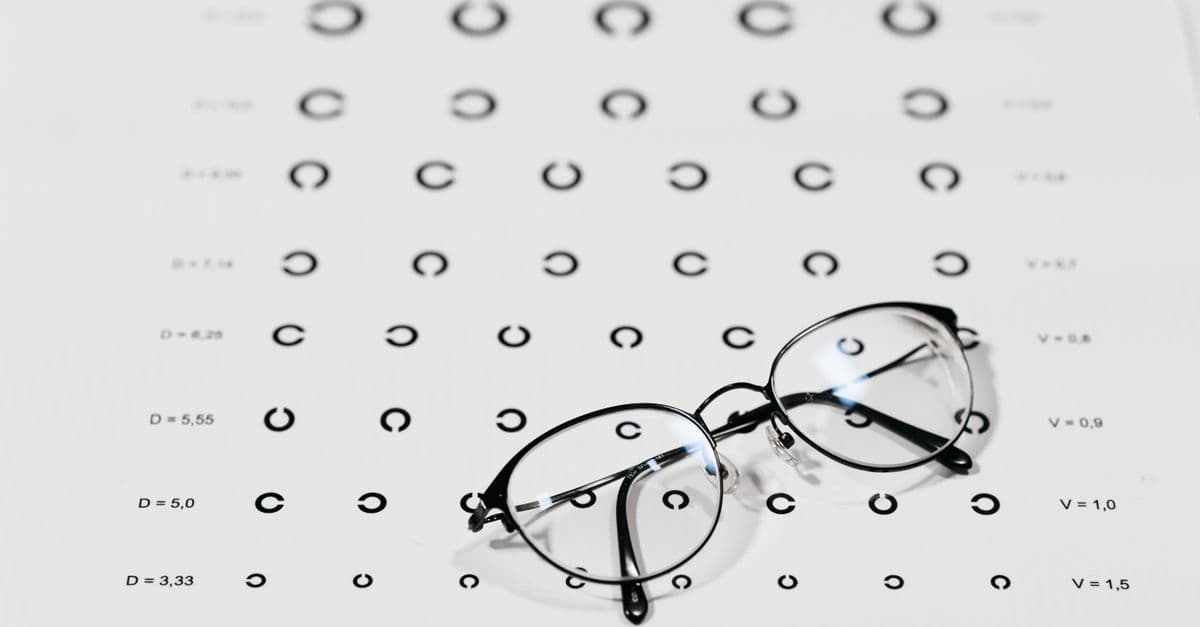
Skill: Low Vision Functional Assessment & Rehabilitation Planner
Generate functional vision assessments and personalized low vision rehabilitation plans
What You Can Do
Create comprehensive functional assessments that document how residual vision impacts your patient's daily activities across ADLs and IADLs. The skill analyzes specific visual demands for each activity, matches them to appropriate optical and non-optical adaptations, and generates personalized rehabilitation plans with measurable goals tied directly to your patient's priorities. You'll produce patient-friendly education materials explaining visual impairment and solutions, plus actionable prescribing recommendations.
Features
systematically assess visual function across real-world activities with standardized fields for lighting, glare, contrast sensitivity, and visual field impact
identify specific visual demands for patient-priority tasks and automatically recommend corresponding optical aids (magnifiers, telescopes) and non-optical strategies
generate clear explanations of visual impairment mechanisms and adaptation rationales at appropriate literacy levels
create rehabilitation objectives tied to patient-identified priorities with specific success criteria for tracking progress
coordinate combinations of optical devices, environmental modifications, lighting adjustments, and training protocols for complex cases
consolidate clinical findings (visual acuity at distances, contrast sensitivity, visual fields, scotoma mapping) into actionable recommendations
generate comprehensive initial examination records for new low vision patients with advanced AMD, diabetic retinopathy, retinitis pigmentosa, and other sight-threatening conditions
assess visual demands for driving alternatives, workplace tasks, and independent mobility with specific adaptation strategies
Example Output
Functional Assessment Summary for Reading Tasks:
- Current capability: Can identify large print (24pt) at 12 inches with spot lighting
- Visual demand analysis: Sustained near vision, 20/60 acuity at working distance, high contrast required
- Recommended adaptations: Stand magnifier (3x) + task lighting + high-contrast printed materials
- Rehabilitation goal: Independently read medication labels and correspondence within 6 weeks
Patient Education Section: How macular degeneration affects your vision: Your central vision loss makes detailed close work challenging, but your side vision remains strong for mobility and orientation. We'll use magnification and lighting to make reading comfortable again.
Prescribing Recommendation:
- Primary optical aid: 3x stand magnifier with coated optics
- Secondary aid: handheld 5x magnifier for portability
- Environmental: 5000K LED task lighting, matte paper for contrast
- Training: 3-session series on device use and posture optimization
What's Included
- SKILL.md instruction file: complete assessment framework and rehabilitation planning protocol
- Functional assessment template: structured documentation fields for visual capacities, activity analysis, and environmental factors
- Activity-demand matching matrix: cross-reference of common ADLs/IADLs with visual demands and adaptation strategies
- Patient education template: plain-language explanations of visual conditions and rehabilitation approaches
- Rehabilitation plan worksheet: goals, interventions, success criteria, and follow-up schedule structure
Who It's For
- Low vision optometrists — conducting comprehensive functional assessments and designing personalized rehabilitation protocols
- Ophthalmologists specializing in low vision care — developing structured treatment plans for sight-threatening conditions
- Vision rehabilitation specialists — planning multi-modal interventions combining optical devices, environmental modifications, and training
- Occupational therapists with vision focus — assessing functional capacity across ADLs and IADLs with activity-specific adaptations
- Optometry students and residents — learning systematic functional assessment and rehabilitation planning for low vision practice
Best For
- Initial comprehensive low vision examinations for new patients with AMD, diabetic retinopathy, retinitis pigmentosa, or other sight-threatening conditions
- Complex cases requiring multi-modal intervention with optical aids, non-optical adaptations, and rehabilitation training
- Functional documentation of visual capacities across reading, mobility, vocational, and self-care activities
- Development of patient-appropriate education materials explaining visual impairment and rehabilitation rationale
- Creation of measurable rehabilitation goals tied to patient-identified priorities with progress tracking
- Mobility and vocational assessment for driving alternatives and workplace task adaptation
You might also like

This skill transforms raw clinical examination data into professional-grade documentation that streamlines charting, ensures insurance compliance, and reduces administrative time. You can generate structured clinical narratives, differentiate between presenting conditions (dry eye, presbyopia, refractive error), create management plans with follow-up intervals, and produce insurance-ready assessments—cutting typical comprehensive exam documentation from 30 minutes to 10-12 minutes per patient.
 by k-dense-ai
You can draft, structure, and refine complete research manuscripts for journal submission using the IMRAD framework. The skill combines deep literature research with formatted scientific writing, producing full-paragraph prose backed by verified citations and compliance with study-specific reporting guidelines. Whether you're writing abstracts, methods sections, results, or full manuscripts, this skill ensures your work meets publication standards with properly formatted references and data presentations.
by k-dense-ai
This skill transforms raw deposition transcripts into attorney-ready documents by verifying accuracy, detecting errors, and ensuring legal compliance. It systematically checks speaker attribution, timestamps, privilege markers, and objections while flagging potential issues for attorney review. You receive a cleaned, compliance-verified transcript ready for filing or trial preparation.
by k-dense-ai
You can transform research topics into fully structured presentation decks with visually engaging slides, proper citations, and minimal text-heavy content. The skill guides you through developing a clear narrative arc, selecting compelling visuals, and organizing content for maximum impact during oral presentations—whether you're presenting at a conference, defending a thesis, or pitching grants.
by k-dense-ai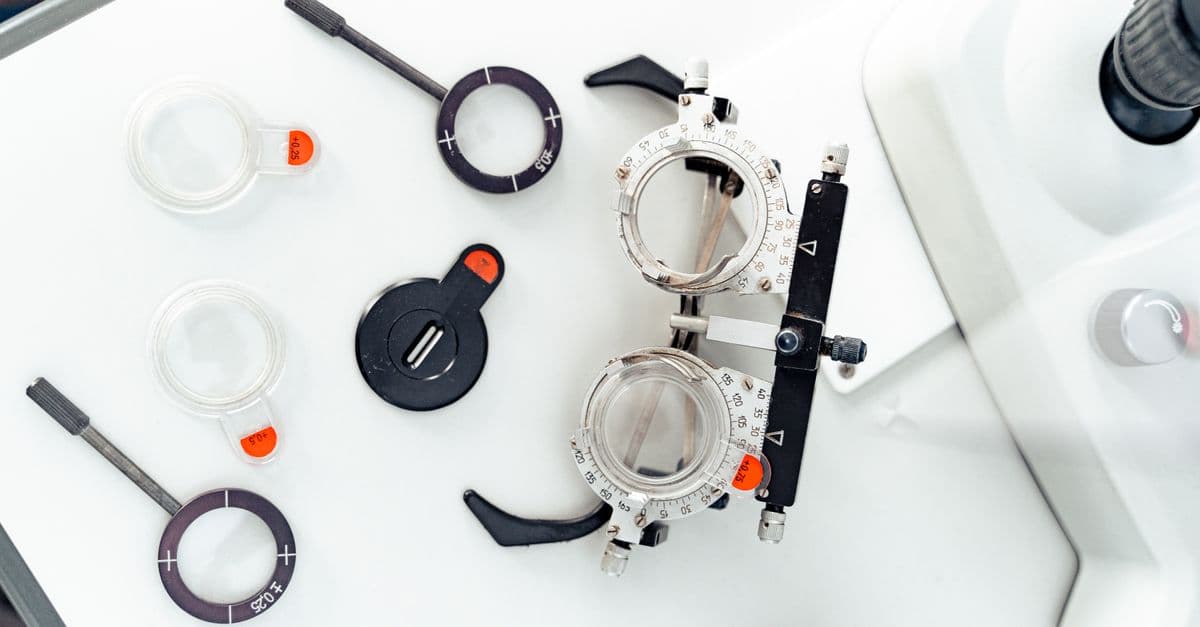
You can structure customer consultations from intake through recommendation by capturing face shape, lifestyle, budget, and prescription data. Claude then generates personalized frame suggestions matched to your inventory, presents lens upgrade options with clear value propositions, and provides objection-handling scripts that maintain margins while building customer trust. Track customer profiles for faster repeat visits and higher upsell conversion.
by k-dense-ai
You can generate professional research posters optimized for conference presentations using LaTeX. The skill handles layout design across A0, A1, and standard sizes, integrates figures and equations with proper visual hierarchy, applies color schemes and typography for readability from distance, and provides templates for rapid poster creation without design expertise.
by k-dense-ai
Generate and edit professional-grade images using state-of-the-art AI models like FLUX.2 Pro and Gemini 3 Pro. Create photorealistic photos, artistic illustrations, concept art, and visual assets for presentations—all from text descriptions or by editing existing images.
by k-dense-ai
You can rigorously evaluate scientific research by assessing methodology, experimental design, and statistical validity using established frameworks like GRADE and Cochrane Risk of Bias. This skill helps you identify confounding variables, detect biases, and determine the overall quality of evidence in research papers, enabling you to critically challenge scientific claims and distinguish robust findings from flawed conclusions.
by k-dense-ai