

Payer Contract Analysis & Negotiation Strategy
Analyze payer contracts to identify rate gaps and negotiation leverage points
What You Can Do
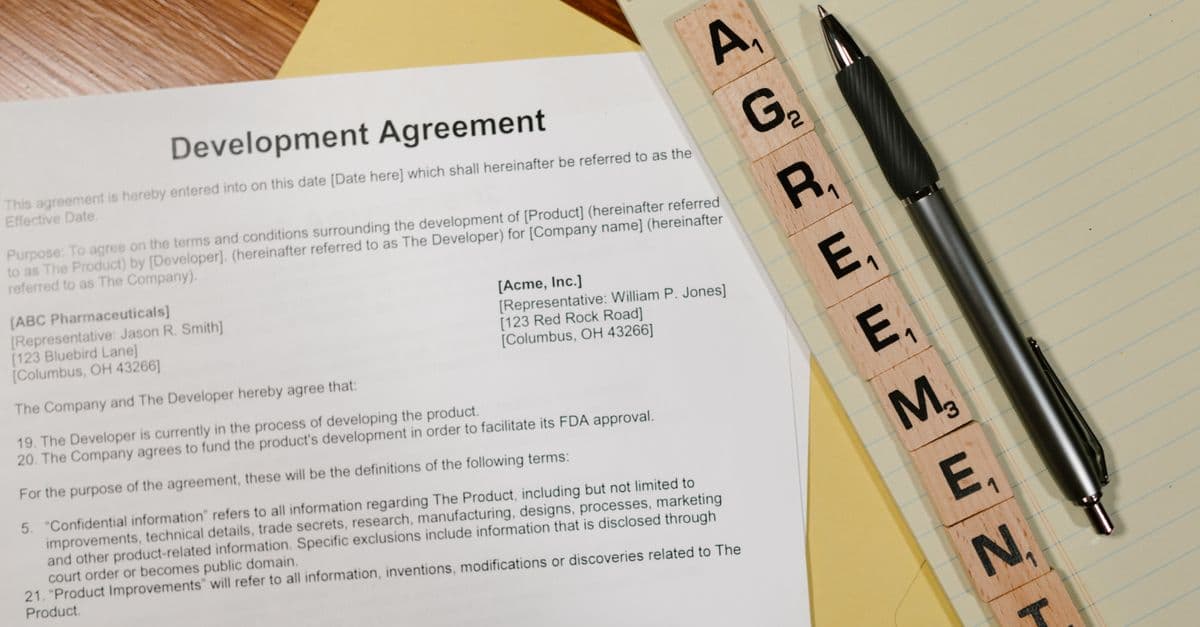
You can upload payer contracts and receive detailed analysis of reimbursement rates, payment terms, prior authorization requirements, and risk allocation clauses. The skill identifies rate adequacy gaps, flags hidden revenue leakage from bundling definitions and offset clauses, and surfaces negotiation leverage points based on industry benchmarks and your operational data. You'll generate evidence packages and rate scenario models to strengthen your position before contract renewal or amendment discussions.
Features
compares your contract rates against specialty benchmarks and market data to quantify underpayment gaps
automatically identifies reimbursement rates, payment timing, prior authorization thresholds, and recoupment language
flags unfavorable clauses (bundling definitions, offset provisions, risk corridors) and suggests counter-arguments with supporting data
quantifies revenue impact of proposed rate changes, payment term adjustments, and coverage expansions across service lines
assembles comparison tables, denial trend analysis, and market data to support rate negotiation meetings
evaluates bundled payment terms, shared savings clauses, and contingency holds to identify financial exposure
side-by-side analysis of contract terms across multiple payers for the same service to identify competitive disadvantages
models financial and operational consequences of proposed contract changes before signature
Example Output
Contract Rate Gap Analysis:
- CPT 99213 (Office Visit, Established): Your rate $45 vs. market benchmark $52 = $7/visit underpayment (13.5% below market)
- Estimated annual revenue impact: $87,500 gap (based on 12,500 annual visits)
Negotiation Leverage Points Identified:
- Prior authorization burden: Payer requires auth for 34% of your orthopedic referrals (industry avg: 12%). Propose reduction to 15% in exchange for adoption of their clinical pathway guidelines.
- Payment term risk: 45-day payment terms vs. 30-day industry standard. Model: $340K in extended float at 6% cost of capital = $20,400 annual cost. Propose 35-day terms as compromise.
- Bundling definition gap: Payer's definition of "facility-based orthopedic surgery" excludes your ASC procedures but includes competitors' facilities. Request clarification and reclassification for 8 procedures currently denied.
Recommended Negotiation Strategy: Leading position: Request $49/visit rate (95% of benchmark) + 35-day payment terms + prior auth reduction to 18%. Fallback: $47/visit + 40-day terms if bundling dispute resolved favorably.
What's Included
- SKILL.md instruction file with analysis frameworks and terminology:
- Contract Analysis Template: structured worksheet for extracting rates, terms, and risk clauses
- Rate Benchmarking Comparison Sheet: template for mapping your rates against market data by specialty and CPT code
- Negotiation Leverage Checklist: 20-point audit of high-impact clauses (bundling, offsets, recoupment, payment timing)
- Financial Impact Model: spreadsheet template for quantifying revenue impact of rate changes and payment term adjustments
- Evidence Package Outline: structure for building rate negotiation presentation with denial trends, market benchmarks, and peer comparisons
Who It's For
- Revenue Cycle Directors — optimizing payer contract terms and managing contract renewals to protect margins
- Managed Care Compliance Managers — ensuring contract language alignment with clinical programs and regulatory requirements
- Finance Teams — modeling financial impact of rate changes and payment term amendments on cash flow and profitability
- Payer Relations Specialists — preparing evidence-based negotiation strategies and rate justifications
- Healthcare Consultants — advising clients on contract risk assessment and negotiation strategy before signing agreements
Best For
- Annual payer contract renewal analysis and rate negotiation preparation
- Comparing reimbursement rates across multiple payers for the same service lines
- Identifying hidden revenue leakage from bundling definitions, offset clauses, and contingency holds
- Quantifying financial impact of proposed rate decreases, payment model changes, or new coverage requirements
- Building evidence packages with market benchmarks and denial trend analysis to support rate negotiation meetings
- Assessing risk allocation in bundled payment and shared savings contracts before contract signature
- Investigating unexpected denials or claim adjustments traced to contract language interpretation
You might also like

You can process large volumes of patient feedback—surveys, reviews, complaints, and compliments—to identify recurring themes and emotional patterns that drive satisfaction. Claude reveals which service touchpoints matter most to your patient population, highlights systemic gaps, and generates prioritized improvement initiatives with clear implementation pathways. This transforms reactive complaint handling into proactive satisfaction architecture grounded in data.
 by github
You can systematically evaluate how political instability, leadership transitions, factional conflicts, and policy shifts affect your health security objectives and medical diplomacy initiatives. The skill identifies specific political vulnerabilities in healthcare infrastructure, pharmaceutical supply chains, aid acceptance, bilateral agreements, and cross-border health cooperation—enabling you to assess feasibility before committing resources and develop contingency protocols for high-risk environments.
by github
You can rapidly evaluate pre-authorization requests by extracting clinical information from provider submissions, mapping findings against medical necessity standards, identifying documentation gaps, and generating clear authorization decisions with detailed rationale. This creates an audit trail that withstands peer review and appeals while supporting provider education through transparent decision logic.
by github
You can rapidly assess the healthcare economic implications of trade agreements by analyzing tariff classifications on pharmaceuticals and medical devices, evaluating intellectual property provisions affecting drug market entry, reviewing GATS commitments on healthcare service trade, and identifying competitive advantages or disadvantages across your portfolio countries. This skill helps you quantify market access gains and pricing pressures while flagging regulatory harmonization commitments that affect healthcare delivery.
by github
You can systematically decode state-specific grant requirements across Medicaid, workforce development, rural health, and behavioral health programs. The skill helps you identify compliance gaps in your current processes, build state-compliant budget narratives and work plans, and create audit-ready documentation frameworks tailored to your state's unique administrative standards and reporting frequencies.
by github
Analyze historical occupancy patterns to uncover unit-specific bottlenecks and discharge delays. Forecast bed demand based on admission trends and seasonal variation. Model capacity scenarios—such as staffing changes, new units, or bed reductions—to predict operational impact before implementation. Generate data-driven recommendations for discharge planning protocols, ICU-to-step-down transitions, and surge capacity strategies.
by github
Conduct thorough retrospective audits of medical coding submissions with structured claim-level analysis, coder performance evaluation, and compliance risk stratification. You'll identify coding errors, quantify compliance violations, validate HCC accuracy, and generate audit documentation that satisfies CMS, OIG, and internal compliance requirements with supporting clinical justification and regulatory references.
by github
You can systematize the entire primary source verification lifecycle—from initial data collection through final documentation—for healthcare providers. This skill manages verification requests across multiple credential categories (licenses, education, DEA, employment history), tracks source coordination timelines, resolves discrepancies between sources, and produces compliance-ready verification reports that satisfy Joint Commission, CMS, and plan network audits.
by github