


Ophthalmic Patient Intake Coordinator
Conduct structured ophthalmic patient intake interviews and generate provider-ready clinical docu...
What You Can Do
You can conduct comprehensive, standardized patient intake interviews that capture complete medical and vision histories while flagging urgent symptoms. The skill provides structured question flows for chief complaint analysis, symptom clarification, insurance verification, and pre-test baseline information gathering—transforming unstructured patient descriptions into clinically organized, actionable documentation that supports diagnosis and treatment planning.
Features
systematically gather chief complaint, symptom onset, duration, severity, and associated vision changes using clinical prompts
automatically identify urgent symptoms (acute pain, sudden vision loss, chemical exposure) requiring immediate escalation
convert patient descriptions into clinically relevant documentation with proper terminology and specificity
organize complete patient history including ocular/systemic conditions, medications, allergies, and family history
collect and organize coverage information, contact details, and emergency contacts
gather baseline information before diagnostic procedures (OCT, visual fields, fundus photography)
generate clinical-quality notes formatted for direct ophthalmologist/optometrist review without additional editing
incorporate explanations of common eye conditions and test procedures during intake
Example Output
Example 1: Chief Complaint Documentation
Chief Complaint: Blurred vision, right eye
History of Present Illness: 45-year-old reports gradual onset of blurred vision in right eye over 2 weeks. Denies pain, flashes, floaters, or trauma. Symptoms worse at distance; near vision unchanged. Denies recent eye surgery or medication changes. No associated systemic symptoms.
Red Flag Assessment: ✓ No acute indicators present. Routine evaluation appropriate.
Example 2: Red Flag Escalation
Chief Complaint: Sudden vision loss with eye pain
🚨 ESCALATION REQUIRED: Patient reports acute unilateral vision loss with pain. Immediate provider evaluation needed—possible acute angle closure or retrobulbar optic neuritis. Do not delay for routine testing.
Example 3: Complete Intake Summary
Patient: Jane Doe | DOB: 01/15/1978 | Insurance: Blue Cross #ABC123
Chief Complaint: Dry eye symptoms
HPI: Bilateral eye irritation × 3 months, worse in afternoon and with screen time. Denies pain/vision changes.
Ocular History: Last exam 2 years ago; mild hyperopia; no prior surgery
Systemic History: Hypothyroidism (levothyroxine); Sjögren syndrome not previously diagnosed
Medications: Levothyroxine 75 mcg daily; antihistamine as needed
Red Flag Assessment: ✓ Consider secondary cause (Sjögren)—recommend labs. Routine testing appropriate.
What's Included
- SKILL.md: Complete clinical intake protocol with red flag detection guidelines
- Chief Complaint Documentation Template: Structured format for converting patient descriptions into clinically organized HPI notes
- Red Flag Escalation Checklist: Symptoms requiring immediate provider evaluation (acute pain, sudden vision loss, chemical exposure, floaters with flashes)
- Medical/Vision History Intake Form: Comprehensive template covering ocular history, systemic conditions, medications, allergies, family history, and insurance details
- Pre-Test Baseline Information Worksheet: Structured questions for gathering patient information before diagnostic procedures (OCT, visual fields, fundus photography)
- Patient Education Reference Guide: Brief explanations of common eye conditions and test procedures to incorporate during intake discussions
Who It's For
- Ophthalmic Technicians — conducting first-appointment and routine patient intakes in clinical settings
- Optometry Clinic Staff — organizing patient information and identifying symptoms requiring escalation before provider evaluation
- Ophthalmology Administrative Staff — standardizing intake documentation and insurance verification workflows
- Telemedicine Ophthalmic Coordinators — conducting remote intake interviews with clear documentation of findings and red flags
- Vision Care Clinic Managers — training staff on consistent, clinically relevant intake protocols
Best For
- New patient comprehensive intakes — collecting complete medical and vision history at first appointment
- Established patient annual updates — refreshing and updating existing patient records systematically
- Chief complaint investigation — clarifying symptom details and converting descriptions into clinical documentation
- Red flag triage — identifying symptoms requiring immediate provider escalation versus routine scheduling
- Pre-diagnostic procedure preparation — gathering baseline information and visual acuity before OCT, visual fields, or fundus photography
You might also like

You design and validate information architectures that align with how users actually search and think about content. This skill analyzes user mental models, search patterns, and existing structures to identify discoverability gaps and recommend strategic improvements that make finding information intuitive and fast.
 by kanta13jp1
You'll design scalable, hierarchical content taxonomies tailored to your organization's structure and compliance needs. This skill generates comprehensive governance frameworks that define roles, responsibilities, approval workflows, and decision-making authority. You'll receive implementation roadmaps, metadata standards, stewardship models, and compliance matrices ready to deploy across departments.
by kanta13jp1
This skill guides ophthalmic technicians through a comprehensive, systematic patient intake process that captures complete medical history, chief complaints, medication profiles, and contact lens preferences. It generates well-organized intake documentation that ensures no critical information is missed and creates a clean record ready for the clinician's review.
 by mohi-devhub
You can create, validate, and optimize taxonomies specifically designed for legal information systems that account for jurisdiction-specific variations, regulatory hierarchies, and legal domain complexity. Claude helps you build hierarchies that map correctly across different legal systems, identify taxonomy conflicts, and ensure your legal taxonomy is searchable, maintainable, and compliant with legal information standards.
by kanta13jp1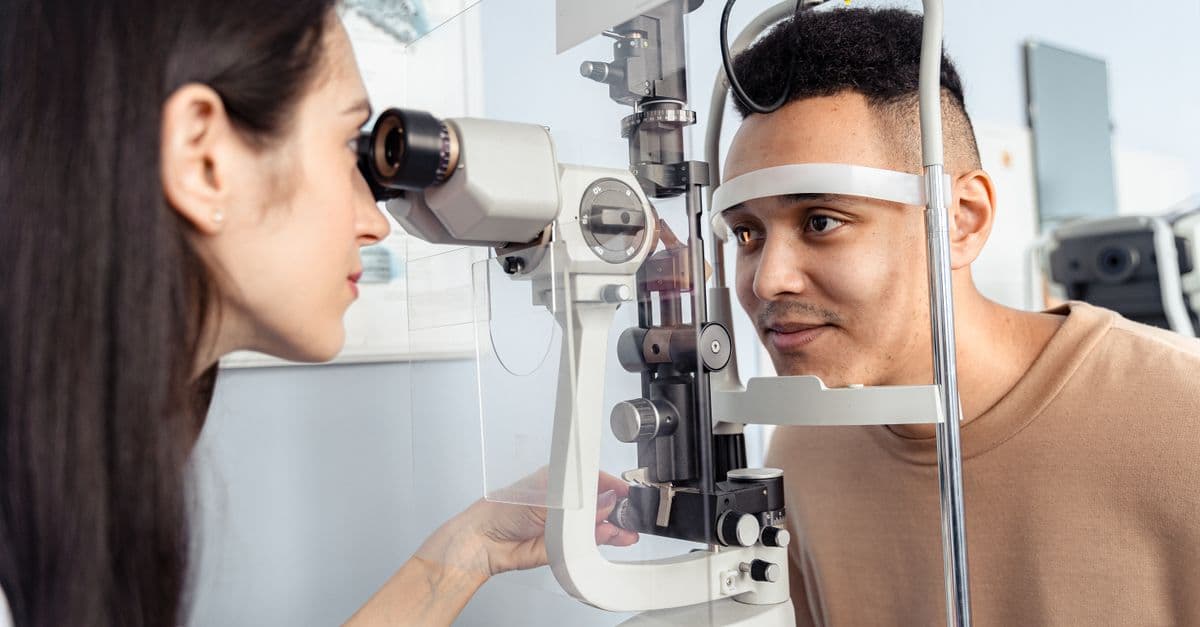
Create comprehensive technical specifications for ophthalmic instruments with built-in regulatory compliance markers, systematically analyze competitor instruments to identify market gaps and clinical differentiators, and develop value-based positioning statements that support pricing strategy and sales enablement. This skill transforms product knowledge into actionable competitive intelligence and positioning documents tailored for product managers, sales teams, and executive stakeholders in vision care.
by kanta13jp1
You can audit healthcare taxonomies and data models against clinical standards like SNOMED CT, ICD, and HL7 to identify gaps, overlaps, and semantic inconsistencies. Claude analyzes your taxonomy structure, suggests remediation strategies, and generates compliance reports. This ensures your clinical data is interoperable, standards-compliant, and semantically consistent across systems.
by kanta13jp1
Automate the curation of research datasets by generating standardized metadata, performing compliance verification, and producing quality assessments. This skill standardizes your data documentation process, ensures datasets meet regulatory requirements, and prepares them for repository publication—reducing manual work and improving consistency across your research organization.
by kanta13jp1
You can upload geospatial datasets (shapefiles, GeoJSON, rasters) and receive comprehensive validation reports, metadata standardization recommendations, and ISO 19115 compliance checks. The skill identifies data quality issues like projection mismatches, missing attributes, invalid geometries, and inconsistent coordinate systems, then generates standardized metadata templates ready for data catalogs.
by kanta13jp1