

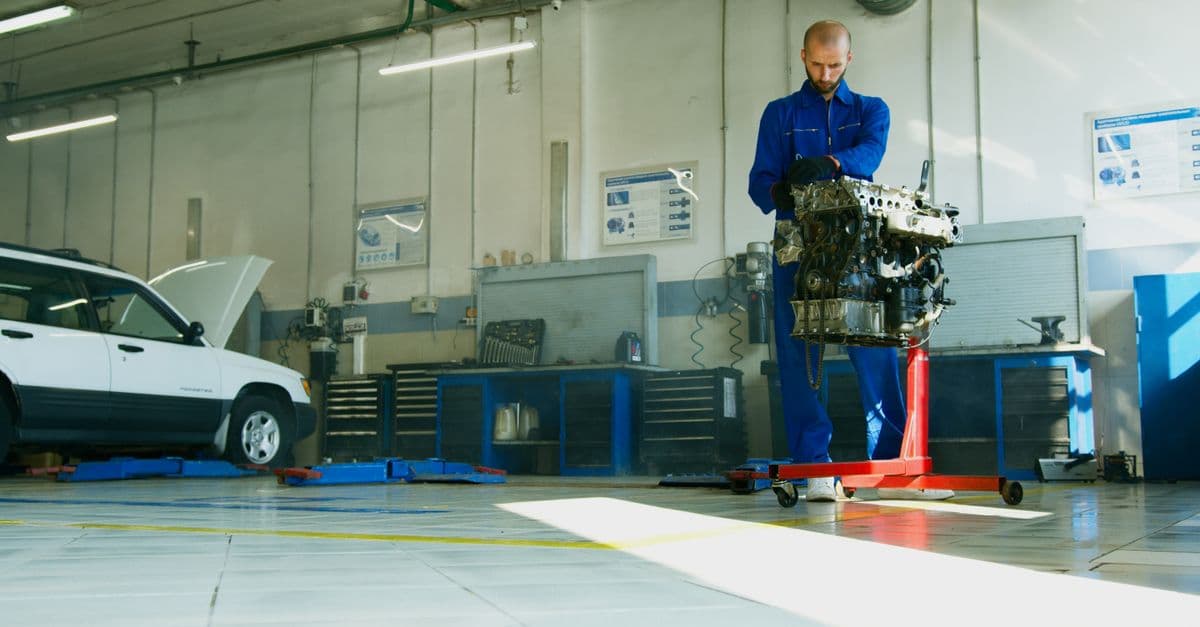
NVH Analysis & Problem-Solving Framework
Diagnose and solve automotive noise, vibration, and harshness issues systematically

What You Can Do
You can systematically investigate NVH complaints, conduct root cause analysis using transfer path analysis methodologies, plan and interpret diagnostic testing data, and develop evidence-based solutions across the full vehicle lifecycle. This framework guides you through multidisciplinary analysis—covering acoustics, mechanical dynamics, materials, and manufacturing variability—enabling faster problem resolution and more effective cross-functional communication with design, manufacturing, and supplier teams.
Features
structured diagnostic approach to pinpoint NVH sources rather than intuitive guessing
methodology to isolate path contributions from sources through structures to receivers
protocols for analyzing dyno, track, and wind tunnel test results to identify frequency-dependent problems
systematic templates for designing in-cabin and exterior pass-by noise, vibration acceptance testing
criteria and methods for assessing suspension, drivetrain, and trim components for NVH suitability
alignment with WLTP, EPA, and regional noise legislation requirements
frameworks for conveying NVH findings to design, manufacturing, and supplier teams
Example Output
Example 1: Door Rattle Diagnosis
- Problem: Interior buzz at 2,500–3,500 RPM during acceleration
- Framework Output: Diagnostic sequence identifying loose trim panel clips, resonance frequencies, and transfer paths; recommended inspection checklist and reinforcement solutions
Example 2: Powertrain Noise Investigation
- Problem: Elevated engine noise at idle post-production
- Framework Output: Test planning matrix for dyno analysis, frequency analysis protocol, supplier component evaluation checklist, and validation test requirements
Example 3: Wind Noise Reduction
- Problem: Pass-by noise exceeds target by 3 dB
- Framework Output: Transfer path analysis plan, seal/weatherstrip assessment methodology, acoustic material placement guidelines, and prediction model validation steps
What's Included
- SKILL.md: core NVH analysis framework and diagnostic methodology
- Root Cause Analysis Checklist: systematic diagnostic sequence for complaint investigation
- Transfer Path Analysis (TPA) Template: planning and execution workflow for isolating path contributions
- Test Data Interpretation Guide: protocols for dyno, track, and wind tunnel analysis
- Supplier Component Evaluation Criteria: assessment matrix for NVH-critical components
- Regulatory Compliance Mapping: alignment reference for WLTP, EPA, and regional noise standards
Who It's For
- NVH engineers — developing noise and vibration targets and solving complex multidisciplinary issues
- Automotive engineers — troubleshooting NVH problems during design validation and production ramp-up
- Warranty and field service teams — investigating customer complaints and warranty claims systematically
- Acoustics specialists — planning and interpreting transfer path analysis and noise source identification studies
- Quality and manufacturing engineers — addressing NVH issues during production and supplier quality audits
Best For
- Root cause diagnosis of customer NVH complaints and warranty claims
- Transfer path analysis planning and noise source isolation studies
- Diagnostic test design and engineering build validation testing
- Supplier component NVH evaluation and performance assessment
- Pre-launch NVH validation and regulatory compliance verification
- Dyno, track, and wind tunnel test data interpretation and frequency analysis
- Cross-functional NVH problem-solving during design, engineering, and production phases
You might also like

You can validate AUTOSAR software architectures across multiple compliance dimensions—layer separation, component interfaces, port definitions, service interfaces, and communication semantics. The skill identifies structural violations, missing documentation artifacts, and compliance gaps early in the design phase, helping you catch issues before formal gates and functional safety audits. It generates architecture compliance reports and documentation needed for ISO 26262 functional safety reviews.
You can analyze multi-dimensional steering system performance including torque characteristics, self-alignment torque, steering angle feedback, road feel transmission, and torque vectoring effects. Extract actionable insights from simulation and test data to identify root causes of steering feel issues, then develop tuning recommendations for steering gear ratios, EPS algorithms, suspension geometry effects, and torque vectoring control strategies.

This skill helps you architect platform strategy by generating decision frameworks, prioritization matrices, and roadmap plans that account for developer ecosystem impact. You'll analyze tradeoffs between breaking changes, feature velocity, and technical debt to make confident platform decisions. It synthesizes developer feedback, competitive positioning, and business goals into actionable strategic outputs that your team can execute.

You can design complete AUTOSAR 4.x system architectures by automating component allocation across abstraction layers, modeling port interactions and service interfaces, and validating compliance with AUTOSAR standards. Claude helps you create standardized architecture documentation, detect circular dependencies and interface mismatches, and generate port interaction matrices—accelerating ECU architecture development while ensuring standards adherence.

You can analyze FEA thermal simulation data to identify motor hotspots, calculate heat generation from motor losses across operating points, evaluate competing cooling solutions quantitatively, and troubleshoot excessive temperature rise during dyno testing. The skill helps you validate thermal management design margins, assess motor lifetime degradation risk, and optimize cooling loop efficiency—enabling data-driven thermal design decisions before building prototypes.
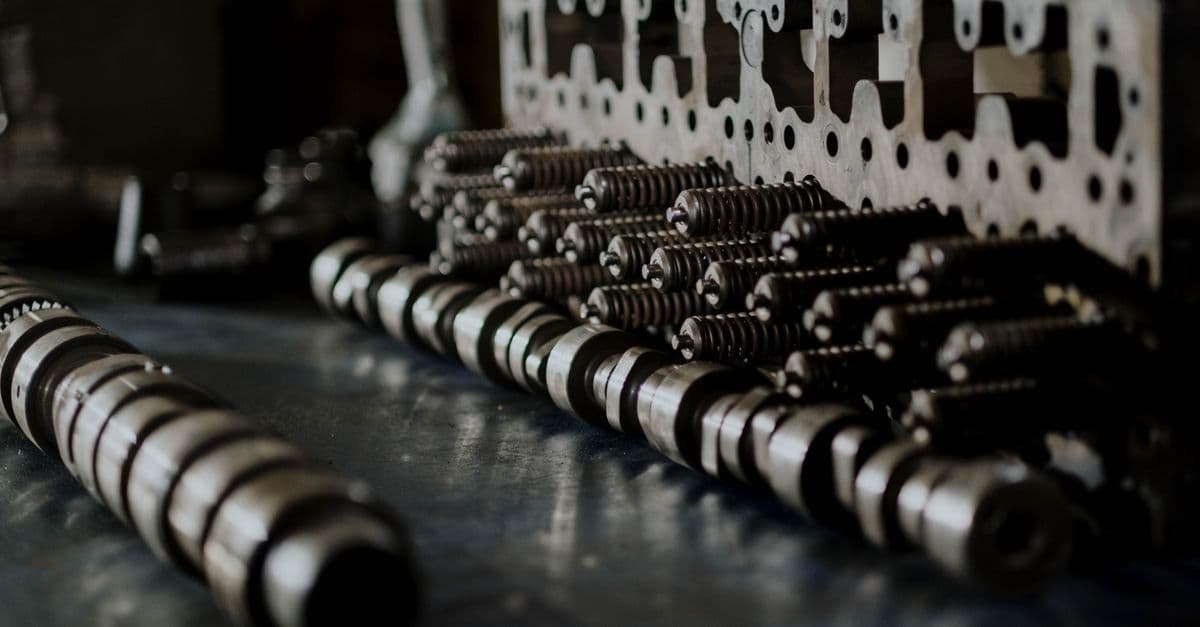
You can efficiently diagnose complex NVH concerns by working through a structured framework that correlates customer symptoms with potential powertrain failures. This skill helps you narrow diagnostic possibilities, recommend targeted testing sequences, distinguish between component failures and tuning issues, and substantiate warranty claims with technical evidence.

You can evaluate simulation scenarios against functional safety and SOTIF requirements, identify untested edge cases and high-risk operational design domains, map failure modes to root causes, and generate traceability matrices linking requirements to validation results. This skill transforms raw simulation data into defensible technical documentation that demonstrates test completeness and readiness for real-world deployment.
You can pinpoint the exact source of sensor fusion failures—whether they stem from misaligned camera/LiDAR/radar extrinsic calibration, timestamp desynchronization, data validation gaps, or algorithmic issues. This skill decomposes multi-modal perception errors into sensor-specific contributions and generates quantifiable diagnostic reports that directly guide calibration and testing teams toward fixes rather than blind troubleshooting.