


NHPA Section 106 Compliance Reviewer
Evaluate projects against NHPA Section 106 requirements and generate compliance documentation
 by aget-frameworkArchitecture & Built EnvironmentPreservation & HeritageHeritage ConsultantNHPA Compliance
What You Can Do
You can evaluate whether a project requires Section 106 review, determine the appropriate federal agency lead, define the Area of Potential Effects (APE), identify consulting parties, assess adverse effects to historic properties, and generate compliance documentation including MOAs and Programmatic Agreements. This skill helps you scope compliance packages, review existing Section 106 documents for completeness, and prepare for consultation with SHPOs, THPOs, and Indian tribes.
Features
Systematically define Areas of Potential Effects based on project scope, geography, and indirect impacts
Map required federal agencies, SHPOs, THPOs, tribes, and other stakeholders for your project context
Evaluate impacts to historic properties using ACHP criteria and determine mitigation adequacy
Determine if your project qualifies for categorical exclusions or requires full Section 106 review
Generate defensible Memoranda of Agreement and Programmatic Agreements tailored to project-specific conditions
Create Section 106 review packages that satisfy ACHP standards and agency-specific requirements
Develop consultation and coordination plans aligned with federal and state preservation protocols
Example Output
Example 1: APE Definition for Highway Widening Project
- Direct APE: 0.5-mile corridor plus 300-foot buffer for visual/auditory impacts
- Indirect APE: Adjacent historic district (1.2 miles) requiring viewshed analysis
- Recommendation: Phase I archaeological survey within defined APE
Example 2: Consulting Party List for Federal Grant Project
- Federal Lead Agency: HUD (Community Development Block Grant)
- SHPO: Massachusetts State Historic Preservation Office
- Tribes: Wampanoag Tribe of Gay Head (Aquinnah), Mashpee Wampanoag Tribe
- Other Parties: Local preservation commission, adjacent property owners
Example 3: Adverse Effects Determination
- Finding: Project will have adverse effect on 1851 mill building (contributing to historic district)
- Mitigation: Historic American Buildings Survey (HABS) documentation + design modifications to minimize visual intrusion
- Outcome: MOA developed with SHPO and tribal representatives
What's Included
- SKILL.md instruction file with Section 106 compliance methodology:
- APE Definition Checklist: guidance on direct, indirect, and cumulative effects analysis
- Consulting Party Matrix: templates for identifying federal agencies, SHPOs, THPOs, and tribes by jurisdiction
- Adverse Effects Assessment Framework: ACHP criteria application and mitigation evaluation templates
- MOA/PA Template: customizable agreement language for common project types and mitigation scenarios
Who It's For
- Heritage consultants managing Section 106 compliance for cultural resource projects
- Project managers coordinating federal permits and approvals requiring historic preservation review
- Architects and planners integrating NHPA compliance into design and development workflows
- State Historic Preservation Office (SHPO) staff reviewing agency Section 106 submissions
- Tribal Historic Preservation Officers (THPOs) evaluating impacts to historic properties and sacred sites
Best For
- Defining Areas of Potential Effects (APE) for federally funded or permitted projects
- Identifying consulting parties and designing stakeholder engagement strategies
- Assessing adverse effects to historic properties and evaluating mitigation measures
- Drafting Memoranda of Agreement (MOA) and Programmatic Agreements (PA)
- Reviewing existing Section 106 documents for regulatory completeness and defensibility
You might also like
You can leverage Claude as a structured thinking partner to organize complex multi-layered deposit sequences, identify stratigraphic anomalies, build robust site phasing models, and generate defensible interpretive narratives. Claude processes your detailed context descriptions, deposit documentation, and relationship matrices to identify patterns, flag inconsistencies, and suggest alternative interpretations you might have overlooked during field analysis.

You can conduct comprehensive adaptive reuse feasibility evaluations across five critical dimensions: building assessment, regulatory environment, preservation requirements, financial modeling, and market demand. Claude helps you identify preservation constraints, map code compliance pathways, estimate cost implications, and communicate technical findings to non-preservation stakeholders—enabling you to determine project viability before committing to expensive design development and articulate clear recommendations with supporting evidence.

This skill positions Claude as your Grafana technical advisor. You can optimize PromQL queries for performance, design clear dashboards for incident response, create effective alert rules that minimize false positives, and troubleshoot visualization issues—all grounded in monitoring best practices and your specific metrics context.

You'll use structured workflows to triage production incidents in your Kubernetes cluster, gather forensic evidence from logs and metrics, and systematically identify root causes. The skill provides command templates for common failure modes—pod crashes, node failures, network issues—and generates incident timelines and remediation recommendations that you can act on immediately.

Rapidly analyze Sentry crash data to identify error patterns, extract root causes, and generate actionable incident response strategies. You'll transform raw error logs into structured incident assessments with severity levels, affected users, recovery recommendations, and team communication templates—turning firefighting into systematic problem-solving.
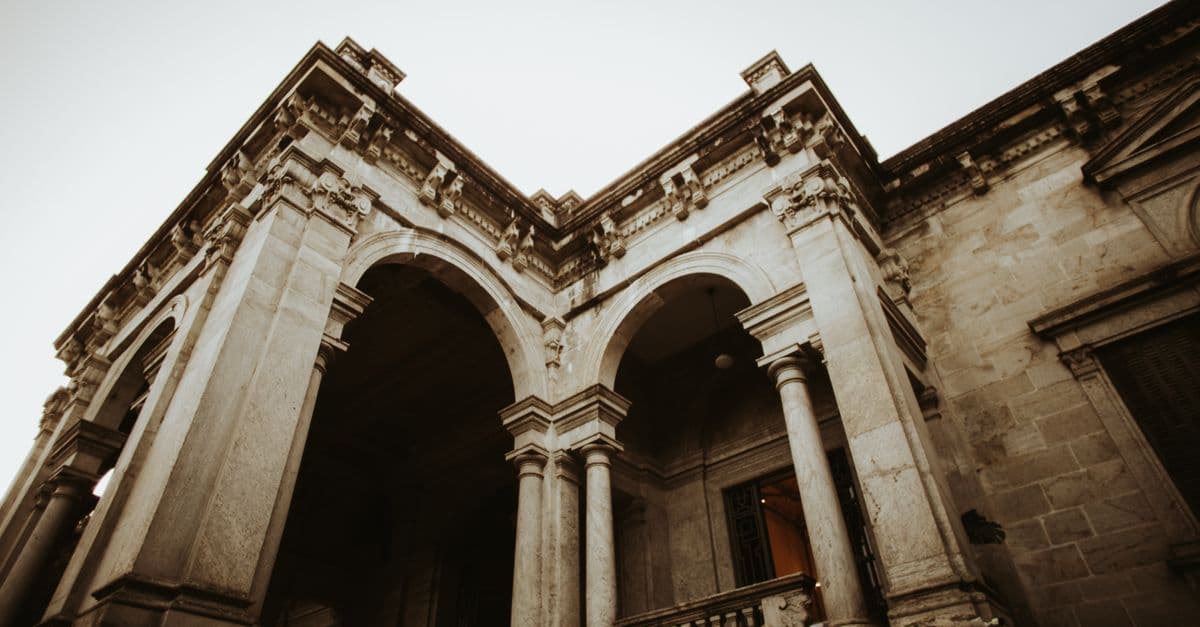
You can generate complete technical documentation packages for historic structures that meet professional preservation standards and regulatory requirements. This skill produces defensible, archival-quality records including condition assessments, measured drawing descriptions, photographic documentation protocols, material analysis frameworks, and standardized compliance reports. Your documentation serves multiple purposes—regulatory filings, restoration guidance, insurance claims, grant applications, and long-term institutional stewardship.

You can transform a scheduled expert interview into a strategic session by mapping your source's public record, incentives, and known positions, then building a tiered question architecture that moves from foundational to provocative with built-in pivots. Claude helps you anticipate likely evasions, scripts pre-emptive follow-ups, flags attribution constraints, and designs your interview flow for narrative payoff—not just information collection.

You can conduct comprehensive material condition assessments that capture degradation patterns, environmental factors, and damage mechanisms in historic buildings. This skill guides you through structured evaluation protocols that transform subjective observations into defensible conservation decisions, enabling you to prioritize repairs across multiple elements, justify preservation budgets to stakeholders, and specify appropriate materials and methods for contractors.