


Multimodal Traffic Impact Assessment for Urban Development
Analyze traffic patterns and create data-driven mitigation strategies for urban development projects

What You Can Do
You can rapidly generate comprehensive Traffic Impact Assessments by synthesizing traffic counts, demographic data, and transportation network information. The skill produces scenario modeling across multiple transportation modes (vehicle, transit, pedestrian, bicycle), identifies cumulative impacts on corridor capacity, and develops evidence-based mitigation strategies tailored to your project context and stakeholder requirements.
Features
Consolidate counts, origin-destination patterns, and modal splits into coherent impact narratives
Model impacts across vehicles, public transit, bicycle infrastructure, and pedestrian networks simultaneously
Generate alternative development scenarios (no-build, proposed, full-build) with quantified impacts for each
Develop transportation demand management, infrastructure, and policy recommendations tied to identified impacts
Analyze how projects interact with existing congestion, planned developments, and corridor constraints
Format findings for planning commissions, development review boards, and public presentations
Evaluate project impacts within broader transportation system constraints and land use patterns
Create multiple development or mitigation scenarios for decision-maker comparison
Example Output
Example 1: Mixed-Use Development TIA
- Baseline traffic volumes: 4,200 vehicles/day on adjacent arterial
- Development-generated trips: +650 vehicles/day (27% increase)
- Transit demand potential: 18% of internal trips (120 boardings/day if service enhanced)
- Mitigation recommendations: On-site parking reduction, transit pass subsidies, bike parking for 25% of residents, left-turn signal timing at Maple/5th intersection
- Scenario output: With full mitigation package, net peak-hour impact reduced to +85 vehicles
Example 2: Corridor Capacity Assessment
- Current v/c ratio: 0.82 at critical intersection (functioning at LOS C)
- Cumulative impact (3 projects in pipeline): +340 vehicles/day → v/c 0.91 (LOS D)
- Pedestrian volume increase: +420 daily crossings; 2 signal timing adjustments needed
- Alternative scenario: Transit-oriented approach reduces vehicle impact by 45%, maintains LOS C
Example 3: Mitigation Strategy Comparison
- Strategy A (demand management only): -12% trips, $85K annual cost
- Strategy B (infra + demand): -28% trips, $340K capital + $95K annual
- Strategy C (land use integration): -35% trips, longer timeline, highest community support
What's Included
- SKILL.md instruction file with multimodal impact assessment framework:
- Traffic Impact Assessment template: Pre-formatted report structure with baseline, impact, and mitigation sections
- Data synthesis worksheet: Standardized format for consolidating traffic counts, demographic patterns, and network constraints
- Scenario modeling matrix: Quick-reference for comparative analysis across development alternatives
- Mitigation strategy toolkit: Organized by transportation mode with effectiveness ranges and implementation considerations
Who It's For
- Urban planners evaluating development proposals and corridor constraints
- Transportation planners preparing TIA reports for planning commissions
- Development project managers seeking mitigation strategy recommendations
- Traffic engineers building context for network-level improvements
- Public agencies assessing cumulative impacts of multiple pending projects
Best For
- Generating comprehensive Traffic Impact Assessments for development review
- Synthesizing multi-modal transportation demand across vehicles, transit, pedestrian, and bicycle networks
- Creating alternative scenario analyses for stakeholder decision-making
- Identifying corridor capacity constraints and cumulative project impacts
- Developing evidence-based mitigation strategies tailored to development context
You might also like

You can review and verify nautical and aeronautical chart proofs, validate spatial data accuracy against source materials, analyze symbol placement for standards compliance, and identify cartographic errors before publication. The skill provides structured analysis frameworks to catch discrepancies between chart layers, interpret complex features like traffic separation schemes and airspace boundaries, and document quality assurance findings for correction tracking.

Transform violation complaints and site inspection data into standardized, defensible enforcement documentation. You can rapidly assess violation severity, establish reasonable remediation timelines, prioritize enforcement actions across multiple violations, and generate compliance agreements that protect jurisdictional authority. The skill structures your analysis to create documentation suitable for both negotiated compliance and formal enforcement proceedings.

You can analyze reported or observed zoning violations using a structured assessment framework that matches conditions to specific municipal code sections, scores violations by enforcement priority, and generates violation notices with correct legal citations and remediation language. This skill helps you build case files with evidence documentation that meets discovery standards and prepares you to defend enforcement decisions during administrative hearings or appeals.

You can submit draft charts, survey data, or revision proposals to Claude for structured compliance analysis against IHO and ICAO standards. Claude identifies hydrographic hazards, airspace conflicts, symbol inconsistencies, and data gaps—then documents findings with decision rationale for regulatory submissions. This skill accelerates your analytical review phase without replacing specialized charting software or professional judgment.
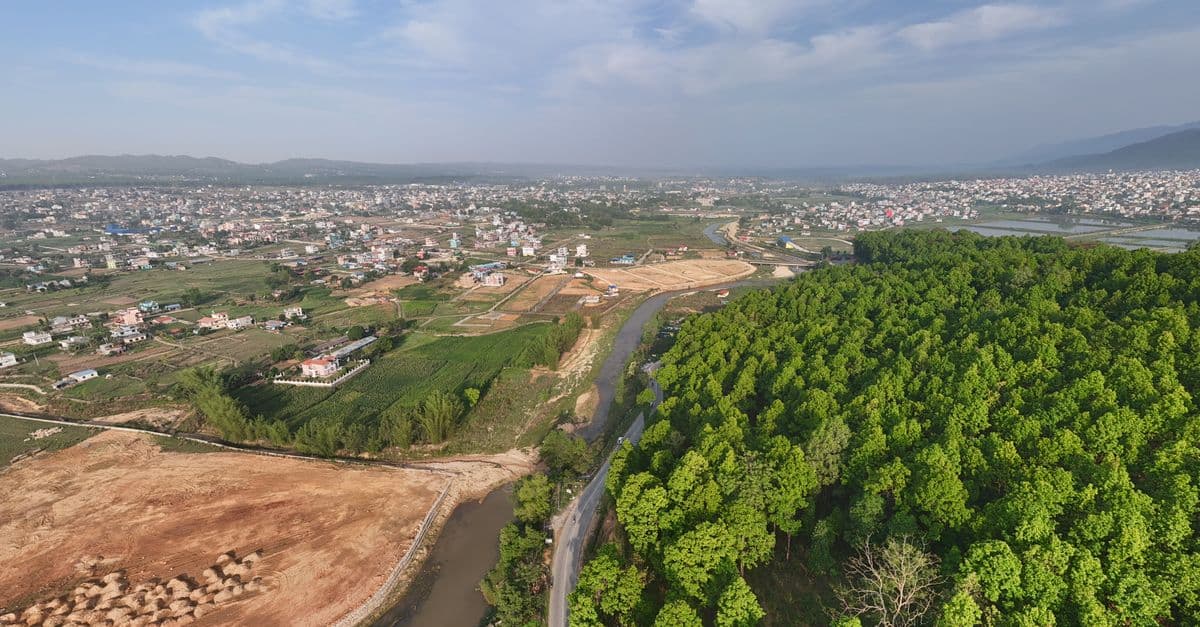
You can conduct comprehensive land use compatibility assessments that identify vertical and horizontal conflicts between proposed developments and surrounding uses. The skill helps you evaluate zoning compliance, assess adjacency impacts, document regulatory alignment, and develop evidence-based mitigation strategies that withstand planning commission and city council scrutiny.

Conduct rigorous corridor-level capacity assessments that balance competing modal demands within constrained right-of-way. You analyze existing conditions across all transportation modes, identify true capacity constraints versus perceived limitations, and generate defensible recommendations for modal reallocation—all grounded in traffic engineering principles, transit operations data, and urban design standards. This skill moves beyond single-mode optimization to deliver integrated corridor function recommendations that stakeholders can act upon.

Systematically evaluate environmental impacts across multiple resource areas using structured analytical frameworks aligned with NEPA context-and-intensity factors and CEQA significance criteria. You'll develop quantifiable or qualitative evidence supporting significance determinations, create legally defensible mitigation measures that withstand scrutiny, and produce consistent documentation that meets regulatory standards and addresses case law precedents. This ensures your impact analysis maintains analytical rigor while remaining defensible against agency comments and potential legal challenges.

You can systematically structure environmental assessments from project scoping through mitigation hierarchy application. This skill helps you organize baseline environmental data, develop significance determinations, create defensible alternatives analyses, and craft implementable mitigation measures that satisfy agency expectations and withstand public scrutiny. It streamlines the entire NEPA/CEQA lifecycle while reducing legal challenge risk.