


Metal Recovery Optimization & Diagnosis
Diagnose metal recovery losses and generate testable optimization protocols
What You Can Do
You can convert vague recovery underperformance into specific, testable hypotheses by mapping measured process data against theoretical stoichiometry. The skill guides you to isolate whether losses stem from chemical (incomplete reaction), operational (equipment malfunction), or characterization issues (ore property changes), then prioritizes loss mechanisms by impact potential and translates findings into controlled bench-scale or pilot test protocols.
Features
systematically differentiate between extraction losses (leaching, flotation, roasting) and product recovery losses (precipitation, filtration, smelting)
rank suspected loss mechanisms by potential impact and likelihood based on process data and ore characteristics
compare actual recovery against theoretical yields to pinpoint chemical or operational deviations
generate structured bench-scale and pilot-scale experiments with defined variables, controls, and success metrics
estimate the recovery percentage gain achievable from each loss mechanism remediation
document findings and recommendations for management approval of process modifications
contextualizes your process performance against literature data and comparable mill operations
structures root cause findings for quality and compliance reporting requirements
Example Output
Example 1: Low Flotation Recovery Diagnosis
- Problem: Cu recovery dropped 3% month-over-month
- Diagnosis Output: Flotation recovery 78% (target 88%). Leach efficiency unchanged at 94%. Root cause: flotation concentrate grade 22% Cu vs. baseline 25% Cu suggests altered froth stability or collector depletion.
- Hypothesis: Insufficient collector dosing due to ore hardness increase from new supplier
- Test Protocol: Increase collector by 15%, measure concentrate grade and recovery in 4-hour pilot flotation with new ore batch
Example 2: Smelter Product Loss Analysis
- Problem: Overall recovery 82% vs. 87% target
- Diagnosis Output: Leach recovery 96%, flotation recovery 88%, but smelting recovery only 79%. Loss calculated at 8% of final product weight.
- Hypothesis: Excessive slag carry-over or incomplete settling in reverberatory furnace
- Test Protocol: (1) Reduce temperature 50°C and measure slag viscosity, (2) extend settling time by 20 min, (3) sample slag composition before/after—target <3% Cu in slag vs. current 4.2%
What's Included
- SKILL.md instruction file with structured diagnostic framework:
- Process loss mapping template (extraction vs. recovery stage classification):
- Stoichiometric balance worksheet with mass-balance calculations:
- Hypothesis prioritization matrix (impact × likelihood × implementation effort):
- Test protocol template (bench-scale and pilot-scale experimental design):
- Root cause documentation checklist for compliance and management reporting:
Who It's For
- Process metallurgists troubleshooting mill recovery underperformance or new ore sources
- Operations managers justifying capital investment in process modifications or equipment upgrades
- Quality assurance and regulatory compliance specialists documenting root cause investigations
- Mining engineers designing pilot-scale experiments to validate optimization hypotheses
- Extractive metallurgy researchers benchmarking process efficiency against peer sites or literature
Best For
- Diagnosing unexpected drops in metal recovery (2–5% below baseline or target)
- Prioritizing among multiple suspected loss mechanisms when recovery data is incomplete
- Designing controlled experiments to isolate chemical, operational, or ore property causes
- Documenting technical justifications for process modifications or operational changes
- Troubleshooting performance changes when ore source, supplier, or seasonal conditions shift
You might also like
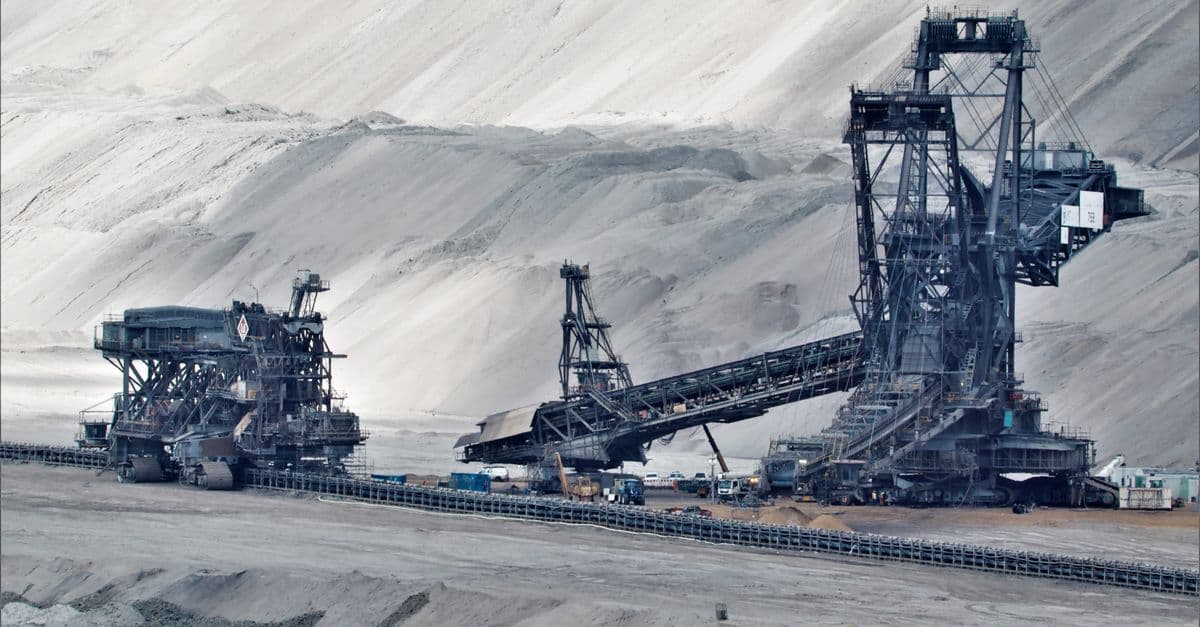
You can design optimized blast patterns by laying out drill hole grids with calculated spacing and burden values, then validate charge calculations against permit limits and vibration thresholds. The skill verifies regulatory compliance by assessing peak particle velocity (PPV), calculating blast radiuses, and confirming adherence to environmental permit conditions—all while generating standardized blast documentation ready for review.
 by jkfnc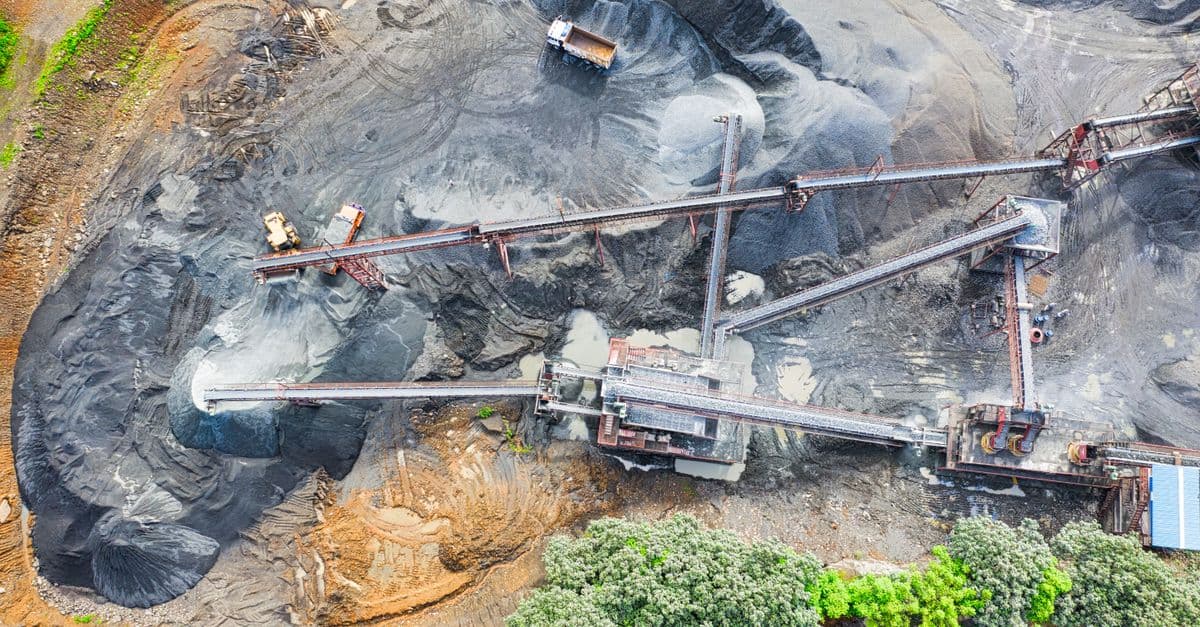
You can transform raw water quality lab results into comprehensive, regulatory-aligned compliance reports. This skill analyzes chemical parameters (pH, metals concentration, sulfates, TSS), generates trend analysis, flags non-compliance incidents, and produces stakeholder communications—automating the entire assessment workflow while ensuring accuracy and legal compliance for NPDES permits, state discharge standards, and permit renewal applications.
by jkfnc
You can design comprehensive, multi-source data collection systems that integrate quality assurance and field documentation for development projects. The skill helps you develop sampling strategies tailored to your project scope, create standardized data collection tools, and establish quality protocols that ensure reliable M&E outcomes. You'll produce complete frameworks that balance data rigor with practical field implementation constraints.
by jkfnc
This skill analyzes field data from humanitarian operations to forecast supply shortages before they occur, optimize distribution routes across complex geographies, and coordinate inventory across multiple sites. You provide operational data, and Claude delivers actionable logistics recommendations that reduce waste, improve response times, and ensure critical supplies reach those who need them most.
by jkfnc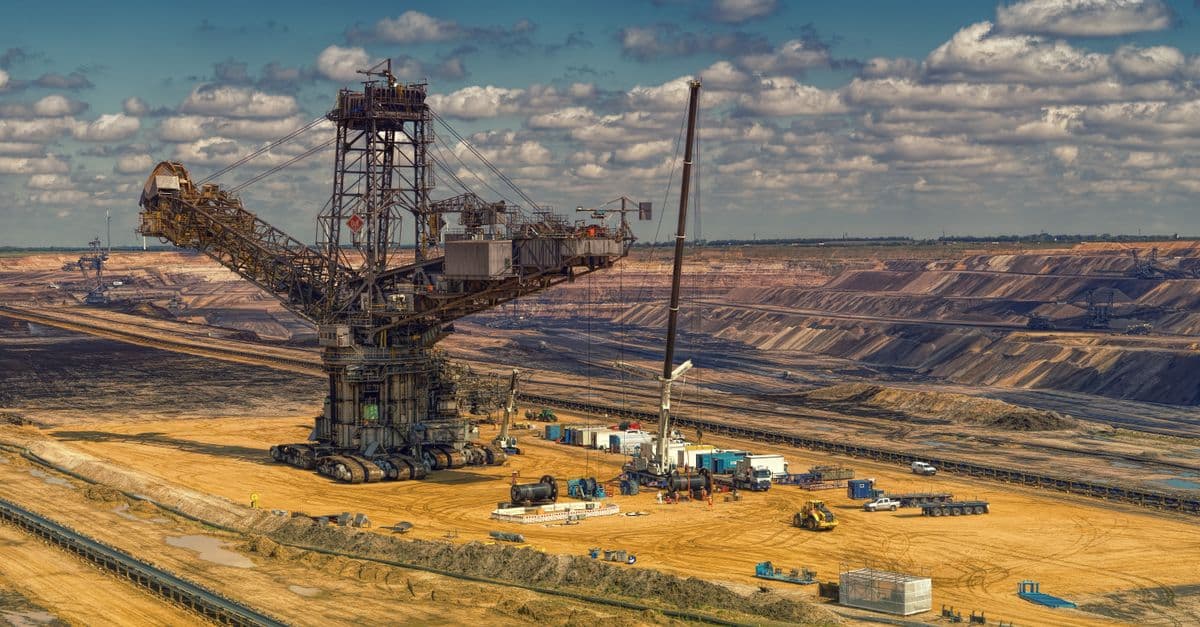
You can diagnose underperforming leaching circuits by analyzing real-time metrics (temperature, pH, solid/liquid ratio, reagent consumption, aeration) against hydrometallurgical first principles. The skill predicts how parameter changes affect metal recovery rates and reagent efficiency, then delivers systematic optimization recommendations to close performance gaps, reduce reagent waste, and accelerate circuit commissioning or troubleshooting timelines.
by jkfnc
Upload or paste real-time ventilation monitoring data—temperature readings, gas concentrations (CO₂, CH₄, O₂), airflow rates, and pressure differentials—and Claude analyzes patterns to diagnose specific problems like fan failures, duct blockages, recirculation zones, or inadequate fresh air distribution. You get a structured diagnostic report with identified root causes and prioritized corrective actions, ready to present to your team or regulatory inspectors.
by jkfnc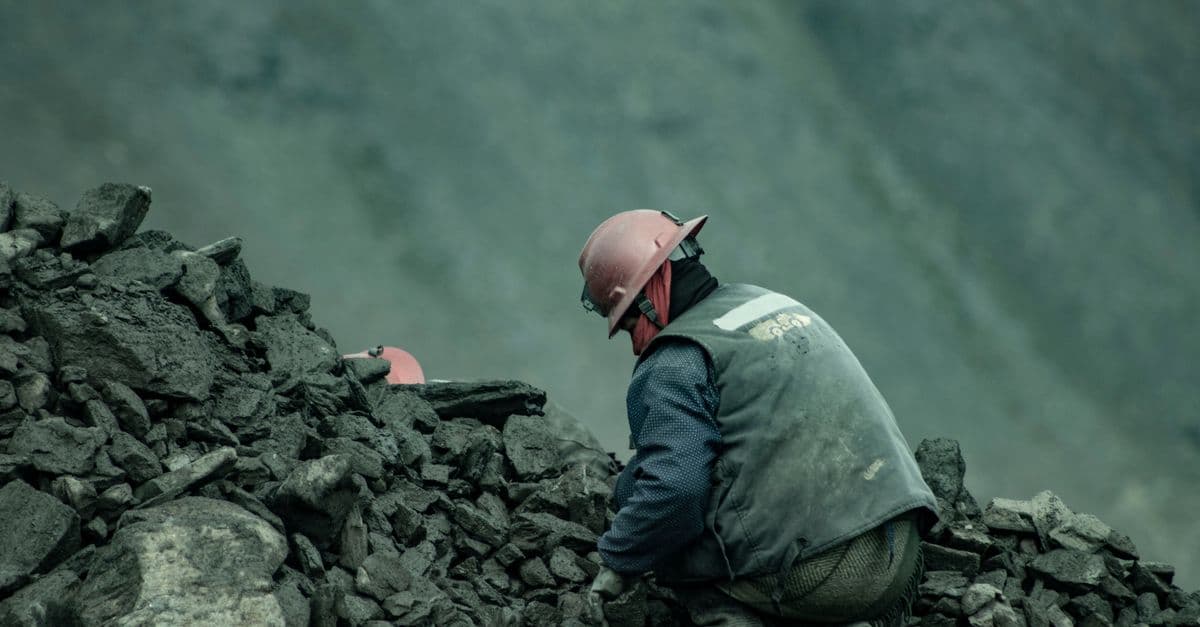
You can rapidly analyze complex ore processing datasets to identify performance bottlenecks across flotation, leaching, smelting, and roasting circuits. Claude structures your operational data into diagnostic frameworks, interprets assay results in context of mineralogy and chemistry, and designs targeted experiments with predicted outcomes. You'll generate operator guides, troubleshooting trees, and technical documentation grounded in process chemistry—accelerating root-cause analysis and flowsheet optimization.
by jkfnc
Create comprehensive agricultural development interventions tailored to specific communities by integrating local agro-ecological conditions, stakeholder expertise, and monitoring frameworks. You'll develop implementation roadmaps that combine research evidence with practical feasibility assessments, ensuring interventions address real farmer needs while building capacity for long-term sustainability.
by jkfnc