

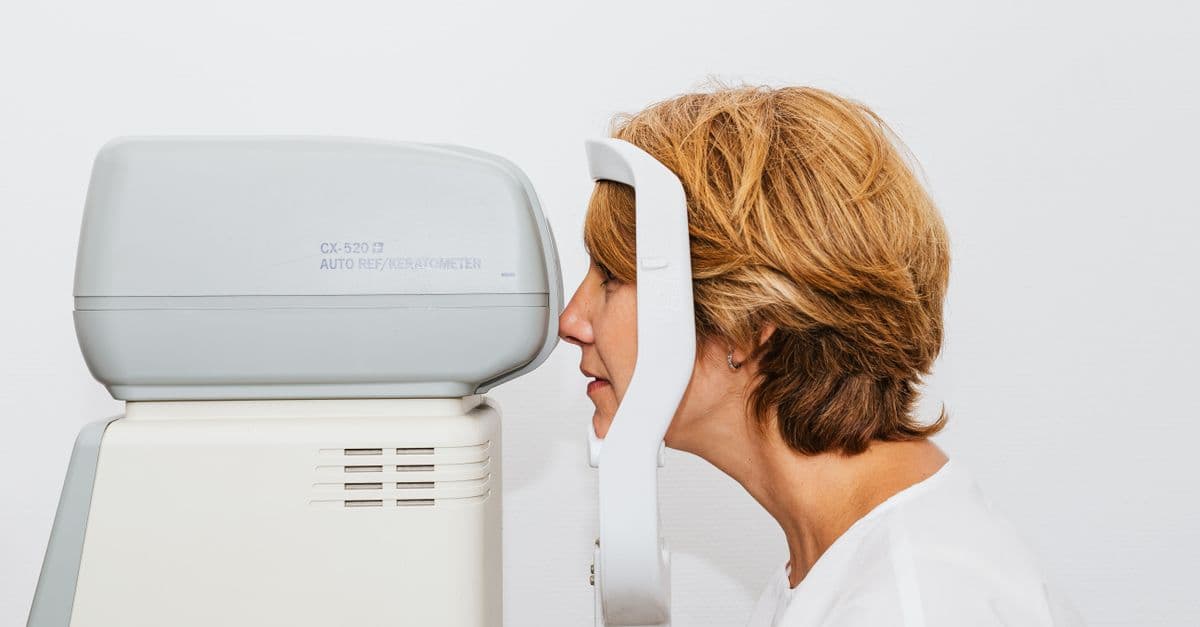
Low Vision Functional Assessment & Rehabilitation Plan Builder
Generate comprehensive low vision assessments and rehabilitation plans with insurance documentation
What You Can Do
You can generate complete low vision functional assessments that quantify vision across reading, mobility, facial recognition, and activities of daily living. The skill produces structured rehabilitation plans with prescribed optical and non-optical interventions, patient-friendly explanations that translate clinical findings into everyday impact, and medical necessity documentation for insurance authorization—compressing a 2–3 hour assessment into a streamlined, consistent workflow.
Features
systematically assesses reading, mobility, facial recognition, and ADL performance with standardized metrics
organizes intervention recommendations by patient goals, visual physiology, and clinical evidence
generates specific recommendations for magnification aids, lighting, eccentric viewing, adaptive strategies with clinical rationale
translates technical findings into plain-language explanations that help patients understand their diagnosis and treatment plan
auto-generates medical necessity statements and functional deficit language required for prior authorization
structures reassessment data to document changes, goal achievement, and plan modifications over time
maps recommended aids and training to specific functional deficits with expected outcomes
Example Output
Clinical Report Section:
- Visual Acuity: OD 20/200, OS 20/400 (uncorrected); functional reading distance limited to 6 inches
- Functional Deficit: Unable to read printed materials at normal working distance; mobility limited to familiar indoor routes; facial recognition fails beyond 3 feet
- Rehabilitation Priority 1: Reading/learning (patient goal: return to hobby reading)
- Recommended Intervention: Hand-held 5x magnifier + task lighting; training in optimal viewing distance and lighting angles
Patient Explanation: Your vision loss makes it difficult to see details at a distance, but we can improve your reading with special magnifying glasses and better lighting. This plan includes specific tools and techniques you'll learn to help you read books and newspapers again.
Insurance Documentation: Functional assessment demonstrates significant functional limitation in reading and mobility that significantly impairs ADL performance. Prescribed magnification aid is medically necessary to restore functional reading capability and support patient independence goals.
What's Included
- Complete SKILL.md instruction file with assessment workflow and intervention taxonomy:
- Functional vision assessment template (reading acuity, mobility, facial recognition, ADL screening):
- Rehabilitation plan checklist (prioritization matrix, intervention selection guide, patient goal mapping):
- Patient communication worksheet (plain-language explanation framework, expectation-setting script):
- Insurance documentation templates (medical necessity statement, functional deficit language library, prior authorization checklist):
- Progress tracking form (comparative baseline, intervention compliance, outcome measures):
Who It's For
- Optometrists and clinical optometry residents conducting low vision evaluations and rehabilitation planning
- Orthoptists and vision rehabilitation specialists designing patient-centered intervention strategies
- Low vision rehabilitation counselors translating clinical assessments into training and adaptation plans
- Ophthalmic technicians and assistants preparing comprehensive documentation and patient materials
- Vision care coordinators managing insurance authorization and patient communication workflows
Best For
- Initial comprehensive low vision assessments for newly diagnosed or referred patients
- Functional reassessments documenting progress, goal changes, or new limitations
- Insurance prior authorization and medical necessity documentation for visual aids
- Patient education and expectation-setting communications in plain language
- Rehabilitation planning that links clinical findings directly to prescribed interventions and training
You might also like

This skill transforms raw clinical examination data into professional-grade documentation that streamlines charting, ensures insurance compliance, and reduces administrative time. You can generate structured clinical narratives, differentiate between presenting conditions (dry eye, presbyopia, refractive error), create management plans with follow-up intervals, and produce insurance-ready assessments—cutting typical comprehensive exam documentation from 30 minutes to 10-12 minutes per patient.
 by k-dense-ai
You can draft, structure, and refine complete research manuscripts for journal submission using the IMRAD framework. The skill combines deep literature research with formatted scientific writing, producing full-paragraph prose backed by verified citations and compliance with study-specific reporting guidelines. Whether you're writing abstracts, methods sections, results, or full manuscripts, this skill ensures your work meets publication standards with properly formatted references and data presentations.
by k-dense-ai
Quickly access venue-specific LaTeX templates and formatting requirements for journals like Nature, Science, and PLOS; conferences like NeurIPS, ICML, and CVPR; research posters; and federal grant proposals from NSF, NIH, DOE, and DARPA. You can customize templates with your content, verify document compliance with venue specifications, and ensure your manuscript meets all submission requirements without manual formatting trial-and-error.
by k-dense-ai
You can rigorously evaluate scientific research by assessing methodology, experimental design, and statistical validity using established frameworks like GRADE and Cochrane Risk of Bias. This skill helps you identify confounding variables, detect biases, and determine the overall quality of evidence in research papers, enabling you to critically challenge scientific claims and distinguish robust findings from flawed conclusions.
by k-dense-ai
You can structure customer consultations from intake through recommendation by capturing face shape, lifestyle, budget, and prescription data. Claude then generates personalized frame suggestions matched to your inventory, presents lens upgrade options with clear value propositions, and provides objection-handling scripts that maintain margins while building customer trust. Track customer profiles for faster repeat visits and higher upsell conversion.
by k-dense-ai
You can generate professional research posters optimized for conference presentations using LaTeX. The skill handles layout design across A0, A1, and standard sizes, integrates figures and equations with proper visual hierarchy, applies color schemes and typography for readability from distance, and provides templates for rapid poster creation without design expertise.
by k-dense-ai
You can analyze complex employment disputes—wrongful termination, discrimination, wage claims, and retaliation allegations—and generate evidence-based settlement frameworks that balance legal exposure with business interests. The skill evaluates claim strength, calculates realistic settlement ranges, and produces jurisdiction-specific negotiation strategies backed by comparable case benchmarks and regulatory compliance analysis.
by k-dense-ai
This skill transforms raw deposition transcripts into attorney-ready documents by verifying accuracy, detecting errors, and ensuring legal compliance. It systematically checks speaker attribution, timestamps, privilege markers, and objections while flagging potential issues for attorney review. You receive a cleaned, compliance-verified transcript ready for filing or trial preparation.
by k-dense-ai