


Integrative Patient Consultation Analyzer
Analyze consultations and build integrated TCM-modern treatment plans instantly
What You Can Do
This skill analyzes patient consultations from both TCM and modern medicine perspectives, then creates cohesive, evidence-integrated treatment plans that respect both modalities. You get comprehensive patient education materials that explain the clinical reasoning behind your integrated approach, helping patients understand how traditional and contemporary therapies work together toward healing.
Features
Examines patient presentations through both TCM pattern differentiation (zheng) and modern diagnostic categories, identifying alignment points and clinical priorities
Creates cohesive protocols that combine acupuncture, herbal medicine, supplements, and conventional therapies with clear sequencing and safety considerations
Generates clinical rationales citing both traditional principles and current research, making your recommendations defensible to patients and referral sources
Produces clear, accessible handouts explaining diagnoses, treatment approaches, lifestyle modifications, and expected timelines in language patients understand
Flags potential herb-drug interactions, contraindications, and clinical red flags requiring referral or additional investigation
Develops visit-by-visit treatment evolution plans with progress markers, reassessment points, and criteria for adjusting the approach
Example Output
Example 1: Hypertension with anxiety
TCM Pattern: Liver yang rising with heart-spleen disharmony Modern Diagnosis: Essential hypertension, generalized anxiety
Integrated Plan:
- Acupuncture: LV3, LI4, PC6, HT7 (bi-weekly x 6 weeks)
- Herbal formula: Tian Ma Gou Teng Yin modified for qi-blood tonification
- Supplements: Magnesium glycinate, omega-3s (evidence-based adjuvants)
- Lifestyle: Meditation, sodium reduction, regular aerobic exercise
- Referral: Consider cardiology if BP remains >160/100 after 4 weeks
Patient Handout: Explains liver stress connection to anxiety, how acupuncture calms the nervous system, realistic improvement timelines (4-8 weeks)
Example 2: Chronic digestive complaints with IBS
TCM Pattern: Spleen qi deficiency with liver-spleen disharmony Modern Diagnosis: IBS, possible SIBO
Integrated Plan:
- Referral: Consider GI workup (FODMAP evaluation, SIBO breath test)
- Acupuncture: ST36, CV12, SP4 (weekly x 8 weeks)
- Herbal: Si Jun Zi Tang plus liver-coursing herbs
- Supplements: Probiotics, L-glutamine, digestive enzymes
- Dietary: FODMAP modification, warm foods emphasis
Patient Handout: Visual of digestive system, explanation of stress-digestion connection, realistic improvement markers (bowel regularity by week 4-6)
What's Included
- Consultation analysis framework: Structured method for extracting clinical information, applying TCM pattern recognition, and mapping to modern diagnosis
- Integrated treatment protocol generator: Creates multi-modal plans with acupuncture, herbal medicine, supplements, lifestyle, and conventional medicine in coordinated sequence
- Patient education template system: Generates customized handouts explaining diagnoses, treatment rationales, expected timelines, and self-care instructions
- Safety and contraindication checker: Screens for herb-drug interactions, clinical red flags, and situations requiring referral or additional diagnostics
- Follow-up and reassessment protocol: Establishes visit-by-visit treatment evolution, progress markers, and decision points for plan adjustment
Who It's For
- Licensed acupuncturists seeking evidence-based integrated medicine
- Naturopaths and functional medicine practitioners incorporating TCM
- Medical doctors with complementary medicine interests
- Clinical herbalists integrating with modern diagnostics
- Wellness practitioners creating patient documentation and handouts
Best For
- Creating integrated treatment plans for complex chronic conditions
- Generating patient education materials bridging TCM and modern medicine
- Developing coordinated protocols combining acupuncture, herbs, and supplements
- Identifying safety concerns and herb-drug interaction risks in multi-modal treatment
You might also like

You can evaluate unfamiliar locations objectively against your specific production needs—whether that's crane access, parking capacity, noise restrictions, or permit requirements. The skill generates comprehensive scout reports that compare multiple sites using weighted evaluation matrices, flag deal-breakers early, and document infrastructure limitations so your production team makes informed decisions before committing resources to visits.
 by skillslib
You'll design robust SCADA system architectures, configure industrial protocols (Modbus, Profibus, OPC-UA, DNP3), and diagnose connectivity and performance issues across distributed control networks. Get step-by-step configuration guidance, integration workflows, and troubleshooting decision trees tailored to your specific hardware and protocol stack.
by skillslib
You can establish systematic color grading workflows that accelerate project delivery, ensure visual consistency across episodes and projects, and maintain broadcast-quality standards. Claude generates reusable templates, quality control checklists, and grading decision frameworks tailored to your project's color science and deliverable requirements.
by skillslib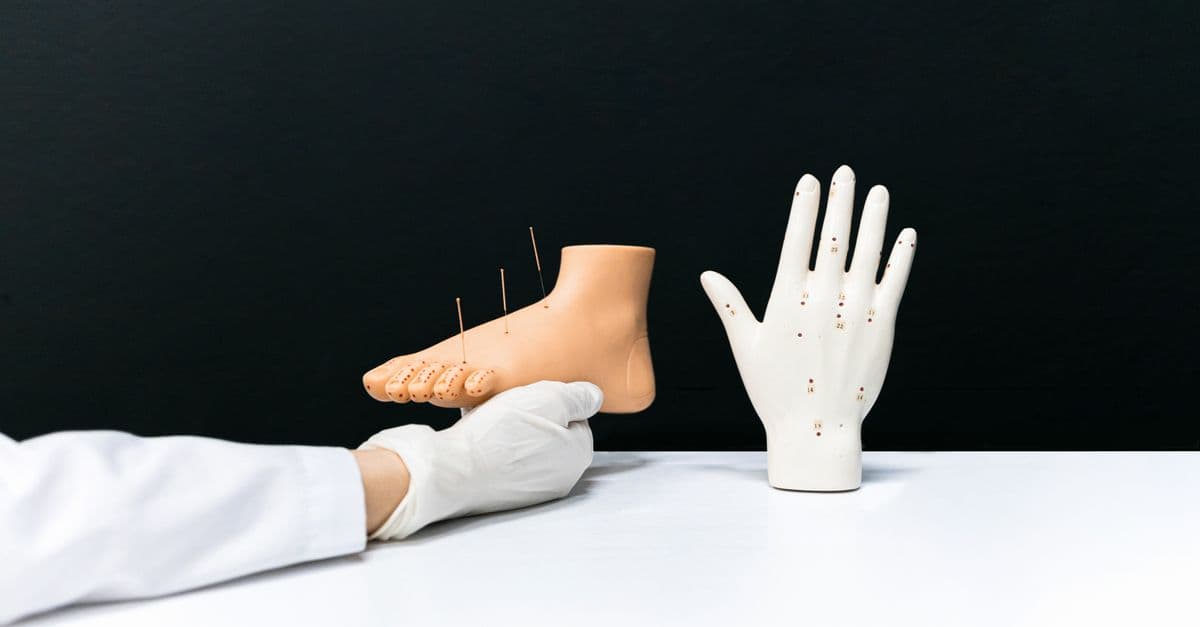
Create evidence-based acupuncture treatment plans that synthesize Traditional Chinese Medicine diagnostics with Western medical findings and patient history. You'll generate customized protocols with specific point recommendations, patient education materials, and professional clinical documentation ready for patient handoff and insurance submission.

Use Claude to automate your entire collection workflow, from first touch to recovery, with legally sound escalation protocols. You'll recover more money in less time, reduce bad debt write-offs by 25-40%, and build defensible collection records that withstand legal scrutiny. Claude handles customized demand letters, compliance validation, debtor profiling, and escalation strategies tailored to account age, debtor behavior, and jurisdiction.
by skillslib
You can conduct comprehensive active transportation network audits that identify missing links, connectivity gaps, and underserved communities. Claude helps you prioritize infrastructure investments against limited budgets using equity screening, mode-share modeling, and cost-benefit analysis—producing client-ready documentation and stakeholder presentations that justify infrastructure decisions with quantitative evidence rather than assumptions.
by skillslib
Turn project descriptions, timelines, and structured data into professional draw.io diagrams instantly. You can generate flowcharts, org charts, Gantt charts, swimlane diagrams, and process flows by describing what you need. Claude creates draw.io XML that you can open directly in the editor or modify further.
by skillslib
This skill helps you troubleshoot Wwise integration issues, diagnose audio performance bottlenecks, and generate comprehensive documentation for interactive audio specifications. You'll get step-by-step fixes for common implementation problems, performance optimization strategies, and best practices for audio systems across different game engines and platforms.
by skillslib