


Impact Assessment Design & Execution
Design and execute rigorous impact assessments that measure what actually matters
What You Can Do
This skill guides you through the complete impact assessment lifecycle—from designing evaluation frameworks and defining metrics to collecting data and generating actionable insights. You'll develop SMART indicators, create stakeholder engagement plans, and build evidence-based reports that demonstrate program effectiveness. Whether you're evaluating social programs, corporate initiatives, or community projects, this skill helps you measure meaningful change with rigor and clarity.
Features
Create customized assessment frameworks aligned with program goals, logic models, and stakeholder priorities.
Define specific, measurable, achievable, relevant, and time-bound indicators that capture meaningful change.
Design survey instruments, interview guides, and observation protocols tailored to your evaluation questions.
Analyze data to reveal causal relationships, outcomes, and insights that answer your core evaluation questions.
Identify key stakeholders and create engagement strategies that build buy-in throughout the assessment.
Build phased evaluation plans that fit realistic timelines, budgets, and organizational capacity.
Create compelling reports with visualizations and narratives tailored to different stakeholder audiences.
Implement quality checks that ensure methodological rigor, minimize bias, and strengthen credibility of findings.
Example Output
Framework Output Example:
Program Logic Model
├── Inputs: Budget $500k, 15 staff, partnerships
├── Activities: 50 youth workshops, mentorship matching
├── Outputs: 500 youth served, 200 mentorship pairs
├── Outcomes: 80% graduation rate, 60% college enrollment
└── Impact: Increased economic mobility in target communities

Key Indicators:
- Graduation rate (Outcome): Baseline 65% → Target 85%
- College enrollment (Outcome): Baseline 35% → Target 60%
- Mentor engagement (Output): 80% active participation
Data Collection Plan Example: Student Survey (n=200): 15-minute questionnaire on academic confidence, career clarity, mentor relationship quality (Likert scale + open-ended)
Stakeholder Interview Guide (n=12): 30-minute semi-structured interviews with program staff, educators, and parents on perceived outcomes and program strengths
Impact Report Summary: Program exceeded graduation targets (88% vs 85%) with strongest impact among first-generation students (+25 percentage point improvement). Mentorship quality emerged as the key driver—students with high-quality mentor relationships showed 40% greater academic gains.
What's Included
- Assessment Framework Templates: Pre-built structures for social programs, environmental initiatives, economic development, and corporate impact.
- SMART Indicator Library: Curated definitions of measurable indicators across social, environmental, economic, and wellbeing dimensions with benchmarks.
- Data Collection Toolkit: Survey templates, interview guides, focus group protocols, and observation checklists ready to customize for your program.
- Analysis & Interpretation Guide: Step-by-step playbooks for analyzing quantitative data, coding qualitative themes, and synthesizing mixed-methods findings.
- Report Templates & Visualization Examples: Customizable report structures and sample data visualizations for executive summaries, funder reports, and stakeholder briefs.
- Quality Assurance Checklist: Validity and bias-checking tools to strengthen methodological rigor and ensure credible, defensible results.
Who It's For
- Program Managers & Directors
- Impact Officers & Evaluation Specialists
- Nonprofit Executive Leadership
- Corporate CSR & Sustainability Teams
- Academic Researchers & Evaluators
Best For
- Program effectiveness evaluation and outcome measurement
- Grant proposal development and funder reporting
- Theory of change validation and refinement
- Strategic planning and priority-setting based on evidence
- Demonstrating return on investment and accountability
You might also like

You can design optimized blast patterns by laying out drill hole grids with calculated spacing and burden values, then validate charge calculations against permit limits and vibration thresholds. The skill verifies regulatory compliance by assessing peak particle velocity (PPV), calculating blast radiuses, and confirming adherence to environmental permit conditions—all while generating standardized blast documentation ready for review.
 by jkfnc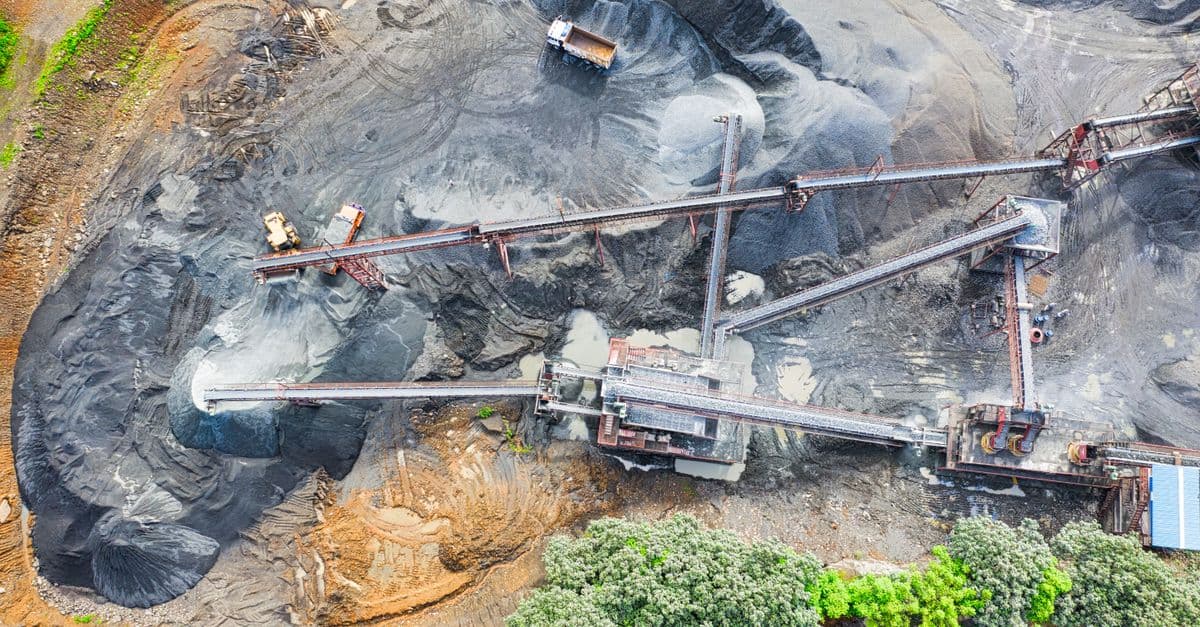
You can transform raw water quality lab results into comprehensive, regulatory-aligned compliance reports. This skill analyzes chemical parameters (pH, metals concentration, sulfates, TSS), generates trend analysis, flags non-compliance incidents, and produces stakeholder communications—automating the entire assessment workflow while ensuring accuracy and legal compliance for NPDES permits, state discharge standards, and permit renewal applications.
by jkfnc
You can design comprehensive, multi-source data collection systems that integrate quality assurance and field documentation for development projects. The skill helps you develop sampling strategies tailored to your project scope, create standardized data collection tools, and establish quality protocols that ensure reliable M&E outcomes. You'll produce complete frameworks that balance data rigor with practical field implementation constraints.
by jkfnc
This skill analyzes field data from humanitarian operations to forecast supply shortages before they occur, optimize distribution routes across complex geographies, and coordinate inventory across multiple sites. You provide operational data, and Claude delivers actionable logistics recommendations that reduce waste, improve response times, and ensure critical supplies reach those who need them most.
by jkfnc
You can diagnose underperforming leaching circuits by analyzing real-time metrics (temperature, pH, solid/liquid ratio, reagent consumption, aeration) against hydrometallurgical first principles. The skill predicts how parameter changes affect metal recovery rates and reagent efficiency, then delivers systematic optimization recommendations to close performance gaps, reduce reagent waste, and accelerate circuit commissioning or troubleshooting timelines.
by jkfnc
Upload or paste real-time ventilation monitoring data—temperature readings, gas concentrations (CO₂, CH₄, O₂), airflow rates, and pressure differentials—and Claude analyzes patterns to diagnose specific problems like fan failures, duct blockages, recirculation zones, or inadequate fresh air distribution. You get a structured diagnostic report with identified root causes and prioritized corrective actions, ready to present to your team or regulatory inspectors.
by jkfnc
You can rapidly analyze complex ore processing datasets to identify performance bottlenecks across flotation, leaching, smelting, and roasting circuits. Claude structures your operational data into diagnostic frameworks, interprets assay results in context of mineralogy and chemistry, and designs targeted experiments with predicted outcomes. You'll generate operator guides, troubleshooting trees, and technical documentation grounded in process chemistry—accelerating root-cause analysis and flowsheet optimization.
by jkfnc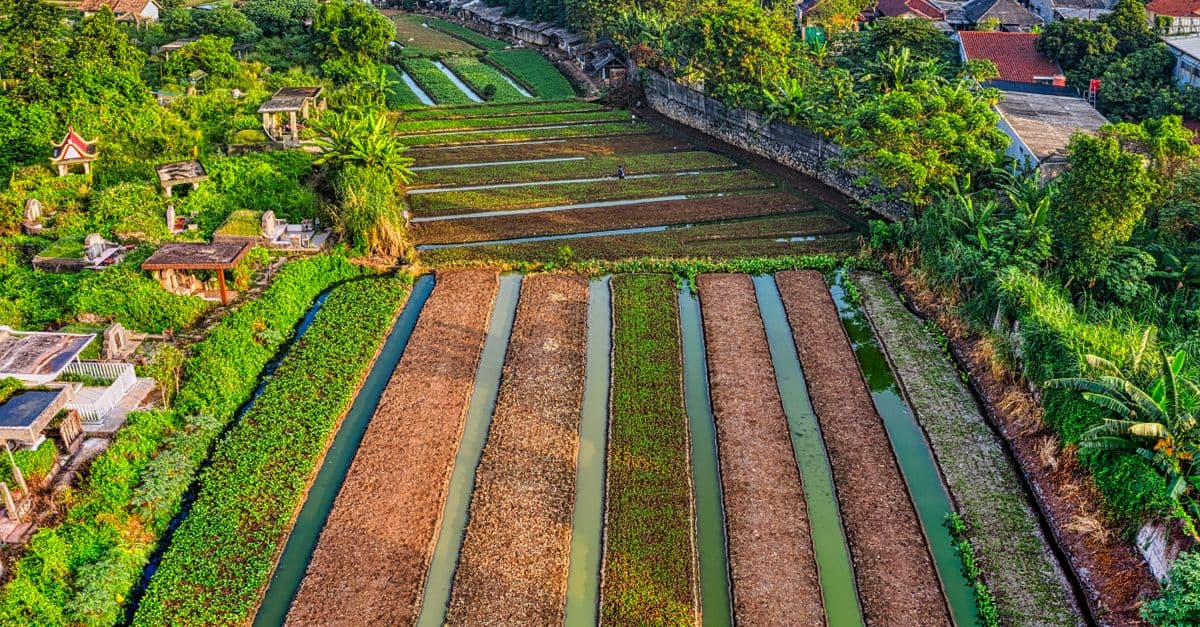
Create comprehensive agricultural development interventions tailored to specific communities by integrating local agro-ecological conditions, stakeholder expertise, and monitoring frameworks. You'll develop implementation roadmaps that combine research evidence with practical feasibility assessments, ensuring interventions address real farmer needs while building capacity for long-term sustainability.
by jkfnc