

Healthcare Infection Control Space Design
Design infection control spaces using CDC/WHO standards and clinical workflows
 by offensive-tarichagranulosa259Architecture & Built EnvironmentSpecialized DesignInterior Space PlannerHealthcare
What You Can Do
You can create comprehensive infection control design specifications for healthcare spaces by translating clinical requirements into practical spatial and material solutions. This skill synthesizes CDC, WHO, and ASHE standards into isolation room designs, ICU configurations, and high-risk area layouts that minimize healthcare-associated infection transmission while maintaining clinical workflow efficiency and staff safety.
Features
Airborne, droplet, and contact precaution room designs with pressure requirements and filtration specs
High-touch surface, splash zone, and sterile field material specifications with durability and cleanability ratings
Staff movement patterns and cross-contamination prevention strategies integrated into spatial planning
Negative/positive pressure room technical specifications with HVAC integration requirements
Clinical handwashing and sanitation alcove layouts with access and placement standards
Spatial layouts that accommodate maintenance access, disinfection workflows, and equipment circulation
Design justifications linked to CDC/WHO guidelines and regulatory requirements for infection prevention teams
Example Output
Example 1: Airborne Isolation Room Design
Spatial Layout:
- 200 sq ft private room with anteroom (75 sq ft)
- Negative pressure: -2.5 Pa minimum
- ACH (Air Changes/Hour): 12 minimum
- Sealed seams, continuous flooring, minimal fabric surfaces
Material Specifications:
- Walls: Seamless epoxy finish, antimicrobial-rated
- Flooring: Sealed polished concrete or coved vinyl (no grout joints)
- Surfaces: Stainless steel handrails and light switches
- Cabinetry: Powder-coated steel, no wood veneer
Example 2: ICU High-Risk Zone Workflow
Zone 1 (Sterile): Patient bed area with 3 ft clearance minimum Zone 2 (Clean): Hand-hygiene station, supply cart parking Zone 3 (Transition): Equipment decontamination area Zone 4 (Support): Staff break area, separated by visual barrier
Result: 40% reduction in cross-contamination risk vectors through spatial separation and directional workflow.
What's Included
- SKILL.md instruction file with clinical standards reference guide:
- Isolation room design templates (airborne, droplet, contact precautions):
- Material specification checklist with compliance cross-reference:
- Workflow mapping framework for staff movement and zones:
- Pressure room technical specification worksheet:
- Hand-hygiene station placement and sizing guide:
Who It's For
- Healthcare interior designers and space planners
- Infection prevention specialists and epidemiologists reviewing design specifications
- Hospital facilities managers planning ICU and isolation unit renovations
- Healthcare architects integrating infection control into schematic design
- Infection control directors developing pandemic readiness facility standards
Best For
- Designing isolation rooms with specific precaution levels (airborne, droplet, contact)
- Specifying materials for high-touch surfaces and splash zones in clinical areas
- Creating staff workflow patterns that minimize cross-contamination
- Planning negative/positive pressure room configurations with HVAC integration
- Developing cleaning and maintenance access protocols into spatial layouts
- Justifying design decisions to infection prevention and epidemiology teams
- Creating pandemic-ready facility specifications and flexible isolation capacity
You might also like

You can structure rigorous institutional comparisons across multiple political systems, extracting and organizing governance features into clear comparative frameworks. Claude generates detailed analysis matrices showing how constitutional arrangements, electoral systems, and separation of powers differ between democracies, identifying recurring patterns and causal mechanisms behind governance divergence. The skill transforms complex institutional data into publication-ready comparative tables, making cross-national political analysis systematic and reproducible.

You can rapidly assess the fiscal impact of proposed legislation by analyzing budget implications, estimating direct and indirect costs, projecting revenue changes, and preparing comprehensive fiscal notes. The skill breaks down complex policy proposals into quantifiable financial impacts with sensitivity analysis, helping you communicate budget effects to legislators, agencies, and stakeholders with precision.

You can build rigorous, multi-dimensional economic impact assessments that synthesize data across GDP effects, employment outcomes, inflation pressure, distributional equity, and fiscal implications. This skill structures complex economic reasoning into clear frameworks that help policymakers, researchers, and analysts evaluate policies on evidence-based grounds rather than ideology. The output is a comprehensive analysis suitable for regulatory filings, legislative briefings, or peer-reviewed research.

You can create comprehensive, evidence-based policy briefs and impact assessments that synthesize research, quantify potential outcomes, and build persuasive arguments for criminal justice reform initiatives. The skill structures complex data into clear comparative analyses, cost-benefit frameworks, and stakeholder communication strategies—giving policymakers and advocates the quantified evidence they need to drive sentencing reform at state and federal levels.
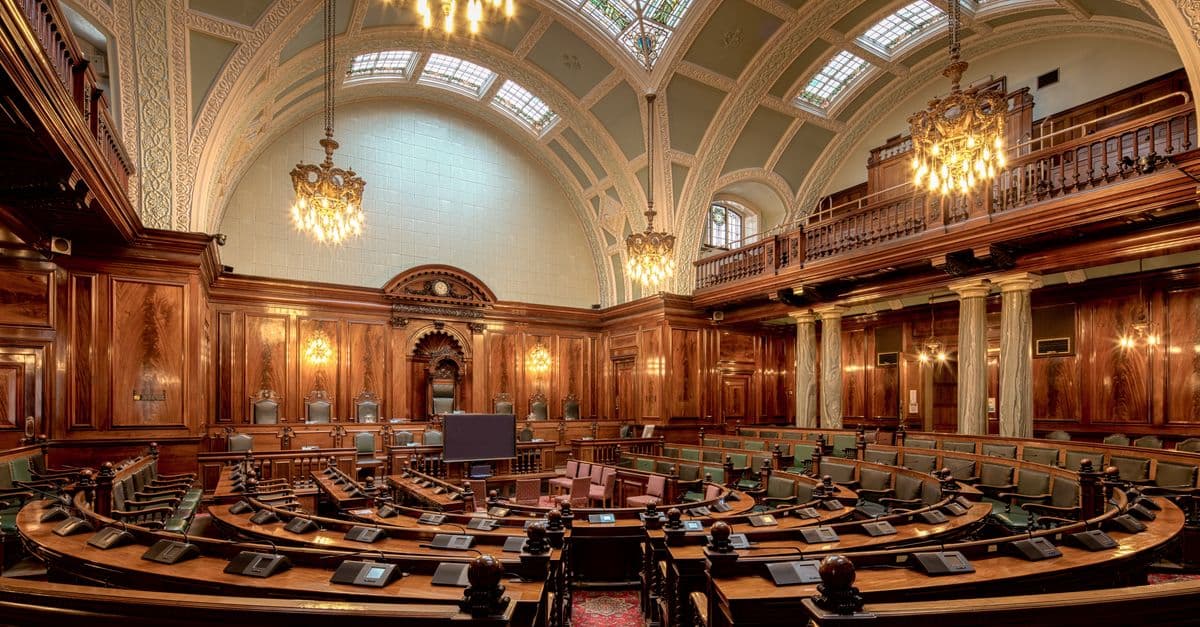
You can systematically break down complex legislation to understand exactly how bills work, quantify their fiscal implications, map which stakeholders win or lose, and identify constitutional vulnerabilities. This transforms dense legislative text into actionable intelligence for policymakers, advocates, researchers, and budget analysts who need deep bill comprehension in hours instead of days.

You can systematically develop comprehensive outdoor lighting designs that balance aesthetic intent with technical specifications. The skill guides you through site analysis, fixture placement optimization, photometric calculations to verify illumination levels, equipment selection with budget constraints, and production of detailed schedules and installation documentation that contractors can execute directly.

You can conduct comprehensive facade condition assessments across historic masonry, stone, terra cotta, cast iron, and wood materials. The framework guides you through visual analysis, material characterization, deterioration documentation, and phased intervention planning—then generates detailed restoration specifications that meet ICOMOS and NPS Preservation Brief standards. This ensures your restoration decisions are evidence-based, reversible where appropriate, and properly documented for contractors, stakeholders, and future reference.

You can create retail floor plans engineered to increase customer conversion and average transaction value by applying behavioral psychology, traffic pattern analysis, and proven merchandising principles. The skill analyzes foot traffic patterns, positions categories strategically, designs sightlines that guide discovery, and optimizes checkout configurations to reduce abandonment and boost impulse purchases. You'll validate layouts against retail KPIs before presenting to clients, ensuring every design decision is data-driven and conversion-focused.