

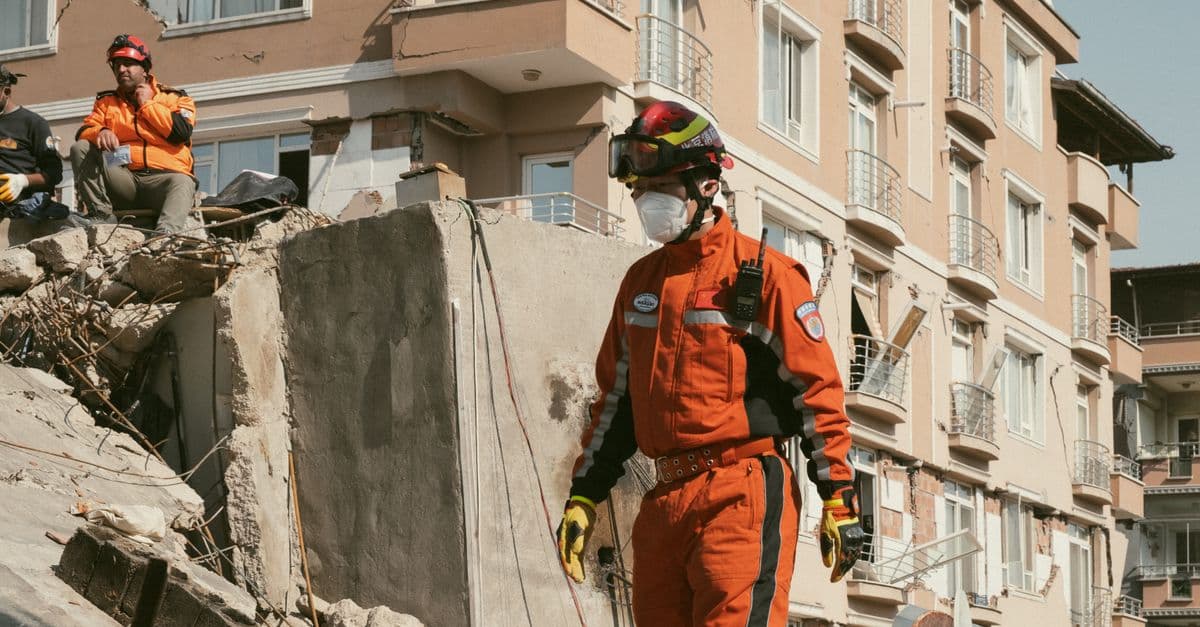
Hazmat Incident Response & Compliance Protocol
Generate OSHA/EPA-compliant hazmat incident response plans and exposure assessments

What You Can Do
Rapidly develop comprehensive hazmat incident response documentation that satisfies OSHA 1910.1200, EPA cleanup standards, and DOT transportation rules. You'll classify incidents, analyze exposure pathways, select appropriate control measures, and generate site-specific protocols that withstand regulatory inspections while protecting worker safety and preventing costly compliance gaps.
Features
categorizes hazmat events by type, volume, and exposure risk to trigger appropriate response levels
maps contamination routes (inhalation, dermal, ingestion) and identifies affected workers and environmental receptors
generates Hazard Communication documentation aligned with SDS requirements and worker notification protocols
structures remediation approaches to meet site-specific environmental regulations and contamination limits
documents hazmat transport protocols if materials require off-site removal or disposal
recommends engineering, administrative, and PPE controls matched to exposure pathways and regulatory thresholds
creates actionable step-by-step protocols tailored to your site layout, weather conditions, and available resources
generates inspection-ready records including incident logs, exposure assessments, corrective actions, and worker communications
Example Output
Example 1: Asbestos Discovery During Demolition
- Incident Classification: Friable asbestos-containing material (ACM) — high priority response
- Exposure Pathways: Inhalation of airborne fibers during wall deconstruction; secondary exposure via contaminated clothing
- Control Measures: Stop work immediately, establish regulated asbestos area (10-ft perimeter), deploy HEPA-filtration negative pressure enclosure, require Level A respiratory protection, engage licensed asbestos abatement contractor
- OSHA Documentation: Work stoppage notice, worker notification letter, SDS review record, medical surveillance enrollment
Example 2: Diesel Fuel Tank Overfill Spill (500 gallons)
- Incident Classification: Non-friable liquid hydrocarbon release — medium-high priority
- Exposure Pathways: Vapor inhalation in downwind areas; dermal contact with contaminated soil; groundwater infiltration risk (25-ft from active well)
- Control Measures: Contain spill with absorbent booms, deploy air monitoring (LEL, benzene), evacuate 300-ft radius if vapor levels exceed 10% LEL, notify EPA spill hotline, arrange soil excavation and off-site disposal
- EPA Documentation: Spill report (CERCLA requirements), soil sample results, disposal manifests, groundwater monitoring plan
What's Included
- SKILL.md: Complete instruction set for incident response protocol generation
- Incident Classification Matrix: Hazmat type categorization (friable/non-friable, liquid/solid/vapor) with severity triggers
- Exposure Pathway Template: Structured worksheet for mapping contamination routes and worker exposure scenarios
- OSHA Compliance Checklist: 1910.1200 requirements, SDS documentation, worker notification, medical surveillance enrollment
- Control Measure Selection Framework: Decision tree matching exposure pathways to PPE, engineering, and administrative controls
- Site Response Procedure Template: Step-by-step protocol outline (discovery → notification → containment → remediation → documentation)
Who It's For
- Safety Managers — developing incident response procedures and managing post-incident documentation for regulatory compliance
- Site Supervisors — responding to unexpected hazmat discoveries during construction or demolition operations
- Environmental Health & Safety Coordinators — coordinating multi-agency notifications and remediation planning
- Construction Project Managers — integrating hazmat response into overall project safety planning and schedules
- Compliance Officers — preparing for OSHA/EPA inspections and demonstrating incident response readiness
Best For
- Unplanned hazmat releases (spills, vapor releases, contaminated soil discovery)
- Pre-incident hazmat response procedure development and worker training documentation
- Regulatory compliance gap analysis and corrective action plan generation
- Exposure assessment documentation for worker health monitoring and medical surveillance programs
- Multi-agency notification coordination (OSHA, EPA, local fire marshal, environmental agencies)
You might also like

You'll craft partnership proposals that clearly articulate mutual value, address stakeholder concerns, and systematically mitigate risks. This skill structures complex negotiations into compelling narratives that resonate with decision-makers across finance, operations, and strategy. You'll generate proposal templates, identify critical success factors, model financial outcomes, and prepare responses to anticipated objections before ever presenting to your counterparty.

You can systematically audit construction sites against OSHA 1926 Subpart standards, document observed hazards with proper regulatory citations, and develop corrective action plans with clear remediation timelines. This skill helps you create compliance documentation that withstands inspector scrutiny and demonstrates good faith safety efforts, while prioritizing findings by risk severity for targeted remediation.

Create strategic security roadmaps that balance risk, compliance, and business objectives. You'll develop phased implementation plans, prioritize security initiatives by impact and threat severity, estimate budgets, and generate executive-ready strategy documents that demonstrate clear ROI and stakeholder alignment.

You can process soil testing data (density, moisture, CBR, gradation, Atterberg limits) and field compaction measurements to verify compliance with construction specifications. The skill helps you identify non-compliant conditions early, determine when additional testing is required, and produce documented QC reports that withstand owner and contractor scrutiny. You'll work through structured analysis workflows that catch compliance gaps and create defensible decision trails.

You can systematically decode MEP coordination drawings and specifications to identify physical clashes between mechanical, electrical, and plumbing systems before installation begins. The skill helps you flag spatial conflicts, sequencing dependencies, and code violations early—at the planning stage where fixes are exponential cheaper than field rework. You'll generate coordination bulletins and resolution strategies with trade-specific language that prevent costly delays and change orders.

You can process laboratory and field compaction test data—including Standard/Modified Proctor results, nuclear density gauge readings, sand cone tests, and drive cylinder measurements—to make defensible QC decisions aligned with ASTM, AASHTO, and project-specific standards. The skill structures your analysis across density compliance, moisture verification, and field conditions, then documents non-conformances with clear remediation paths and technical reasoning suitable for stakeholder communication.

You can develop comprehensive data strategies that align technology roadmaps with business objectives and secure executive buy-in. This skill helps you assess organizational readiness for data transformation across people, processes, and technology; create ROI-backed business cases for funding; and establish governance models that enable collaboration. You'll transform strategic data vision into actionable, phased implementation plans with clear dependencies and resource allocation.

You can rapidly develop facility-specific confined space entry programs, permit-required confined space (PRCS) identification, and atmospheric monitoring protocols that meet OSHA 1910.146 standards. The skill generates customized hazard assessments, pre-entry checklists, rescue procedures, and competency documentation based on your specific confined spaces, entry procedures, and atmospheric conditions—eliminating the gap between generic templates and legally defensible compliance.