

Ground Operations Disruption Response & Turnaround Acceleration
Rapidly diagnose and resolve ground operations disruptions with structured decision frameworks
What You Can Do
You get structured assessment protocols that analyze disruptions across crew, equipment, and scheduling dimensions, automatically prioritize response actions, and generate real-time escalation and recovery plans. Claude works through your specific operational context to identify root causes, forecast impact duration, and recommend the most cost-effective recovery sequence. You'll cut disruption response time from hours to minutes while ensuring consistent decision-making across your operation.
Features
Systematically evaluate root causes across people, equipment, weather, and scheduling. Claude gathers your operational snapshot and generates a structured diagnosis within minutes.
Estimate duration, scope, and downstream effects. Get projections for gate delays, crew hour impacts, and passenger ripple effects to inform urgency levels.
Rank recovery actions by cost, time, and operational impact. Claude weights your priorities (safety first, then schedule integrity, then cost) to recommend the optimal sequence.
Build escalation chains automatically based on disruption type and severity. Know who needs to be notified, in what order, and with what information.
Generate executable recovery sequences for common disruptions (delays, mechanical, weather, staffing). Each plan includes decision gates and contingencies.
Create crew and passenger communication based on disruption type and duration. Maintain consistent messaging while being transparent about timelines.
Work through crew limitations, equipment availability, and slot constraints to find feasible recovery options when resources are scarce.
Review what happened, what worked, and what didn't. Generate findings and recommendations to reduce similar disruptions in the future.
Example Output
Input: Flight delay due to mechanical issue, 3 aircraft impacted, crew fatigue approaching limits
Assessment Output:
- Root Cause: Engine inspection on primary aircraft requires 2.5-hour maintenance window
- Impact Duration: 4-5 hours (maintenance + buffer + crew turnaround)
- Affected Flights: 3 departures, estimated 450 passengers, 12 crew members
- Escalation Level: Level 2 (notify duty manager, maintenance control, crew scheduling)
Recovery Recommendation:
- Deploy maintenance team immediately (duration: 2.5h)
- Contact crew scheduling to prevent fatigue violations (buffer: 45min)
- Hold passengers at gate (do not board) until aircraft available
- Prepare backup aircraft if recovery exceeds 3h threshold
- Notify passengers every 30min with updated timeline
Input: Sudden ground stop due to weather plus 2 crew no-shows at secondary airport
Response Plan:
- Declare Level 1 weather emergency (flights held at origin)
- Redistribute 8 flights from secondary hub to main base
- Activate standby crew (6 available, satisfies coverage for 4 flights)
- Delay remaining 2 flights 4 hours (crew rest requirements)
- Estimate passenger rebooking: 120 travelers to alternate routing
Communication Template (Crew): 'Ground stop in effect due to wind shear warnings. You are reassigned to flight [X] departing 14:30 from [base]. Acknowledge receipt and report status by 13:00.'
What's Included
- Disruption Assessment Framework: Structured protocol for gathering operational data (aircraft status, crew availability, weather, schedule impact) and generating a diagnostic summary.
- Decision Trees by Disruption Type: Pre-built response logic for mechanical failures, weather delays, crew gaps, equipment shortages, and terminal disruptions.
- Escalation Decision Checklist: Criteria-based checklist for determining escalation level (1 through 4) and identifying stakeholders who need immediate notification.
- Recovery Action Library: Reusable action templates (aircraft swaps, crew redeployment, schedule adjustments, passenger rebooking) that you customize for your operation.
- Communication Prompt Templates: Ready-to-use message frameworks for crew, passengers, and management that you fill in with specific flight, timeline, and status details.
- Post-Incident Review Guide: Questions and analysis steps to extract lessons from disruptions so you can prevent similar events in the future.
Who It's For
- Ground Operations Managers
- Shift Supervisors and Duty Officers
- Dispatch Coordinators
- Crew Scheduling Managers
- Maintenance Control Centers
Best For
- Mechanical and technical failures during operations
- Unexpected crew absences or fatigue management
- Weather-related delays and ground stops
- Gate and terminal resource conflicts
- Passenger and crew communication during disruptions
You might also like

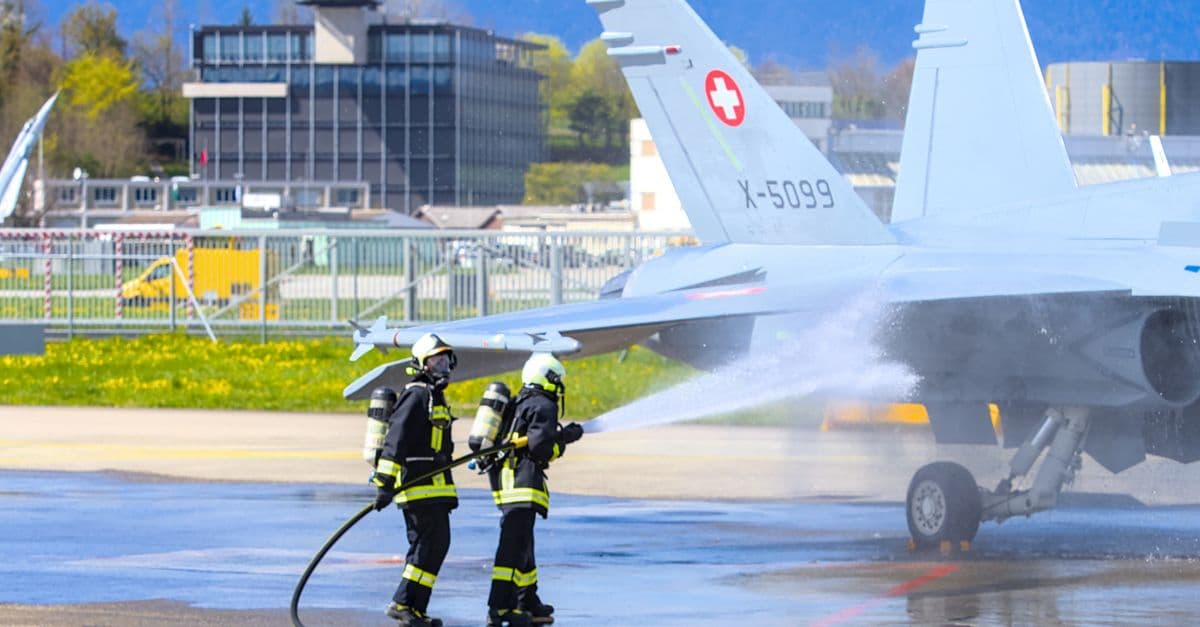
You submit pilot-reported defects from the aircraft technical log, and Claude analyzes each issue to assess deferral eligibility under your airline's MEL (Minimum Equipment List), classify maintenance priority, and generate a ranked action plan. The skill interprets complex maintenance language, applies regulatory constraints, and produces documentation-ready outputs for maintenance control.
 by ronshih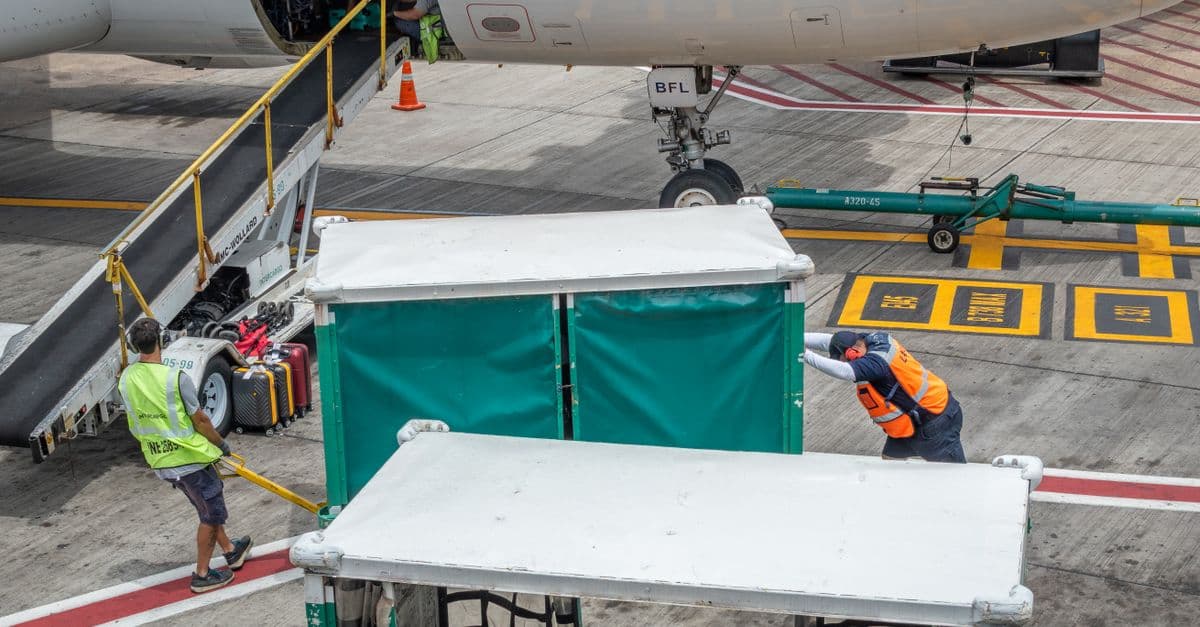
Analyze airport incidents in real-time and guide your team through structured incident command protocols. You'll receive immediate severity assessments, coordinated departmental response plans, and documented recovery timelines that help you maintain operations while managing emergencies. This skill brings emergency management discipline to airport operations by organizing communication across terminals, ground crews, security, customer service, and maintenance.
by ronshih
You can streamline environmental compliance workflows for airport operations by automating emissions calculations, tracking sustainability metrics, and developing science-based climate action plans aligned with regulations. The skill helps you consolidate environmental data from multiple airport sources, generate compliance documentation, and identify high-impact initiatives to reduce carbon footprint and meet net-zero targets.
by ronshih
You can instantly validate crew schedules against labor regulations, identify compliance violations, and generate detailed audit reports. The skill analyzes shift assignments for conflicts, fatigue risks, and regulatory breaches, then provides actionable recommendations to optimize schedules while maintaining full compliance with industry-specific regulations like DUTY, FAA, and FRA rules.
by ronshih
Orchestrate your incident response process from detection through resolution with structured decision support. You can quickly classify incidents by severity and type, execute pre-built response playbooks, coordinate multi-team escalations, and document actions in real-time for compliance and post-mortems. Claude helps you stay focused during chaos by tracking incident state, reminding you of critical steps, and suggesting next actions based on what you've already tried.
by ronshih
You can analyze complex flight disruptions (weather, mechanical, staffing, crew duty limits) and instantly generate multiple recovery options ranked by regulatory compliance, passenger impact, and cost. The skill automatically drafts stakeholder communications for crew, passengers, ground operations, and management, saving hours of manual coordination during critical operational events.
by ronshih
You can analyze your aviation operations against FAA regulations, identify specific compliance gaps, and generate professional inspection reports with categorized deficiencies and corrective action plans. Claude systematically reviews your operations against applicable Federal Aviation Regulations and produces standardized documentation that auditors expect. This accelerates your compliance preparation, reduces inspection surprises, and ensures you capture all actionable findings.
by ronshih
Rapidly analyze security incidents with structured threat assessment and automatic report generation. The skill evaluates incident severity, documents evidence properly, and produces investigation reports compliant with airport security standards and regulatory requirements. You get actionable threat classifications, timeline reconstructions, and remediation recommendations ready for stakeholder review and escalation.
by ronshih