

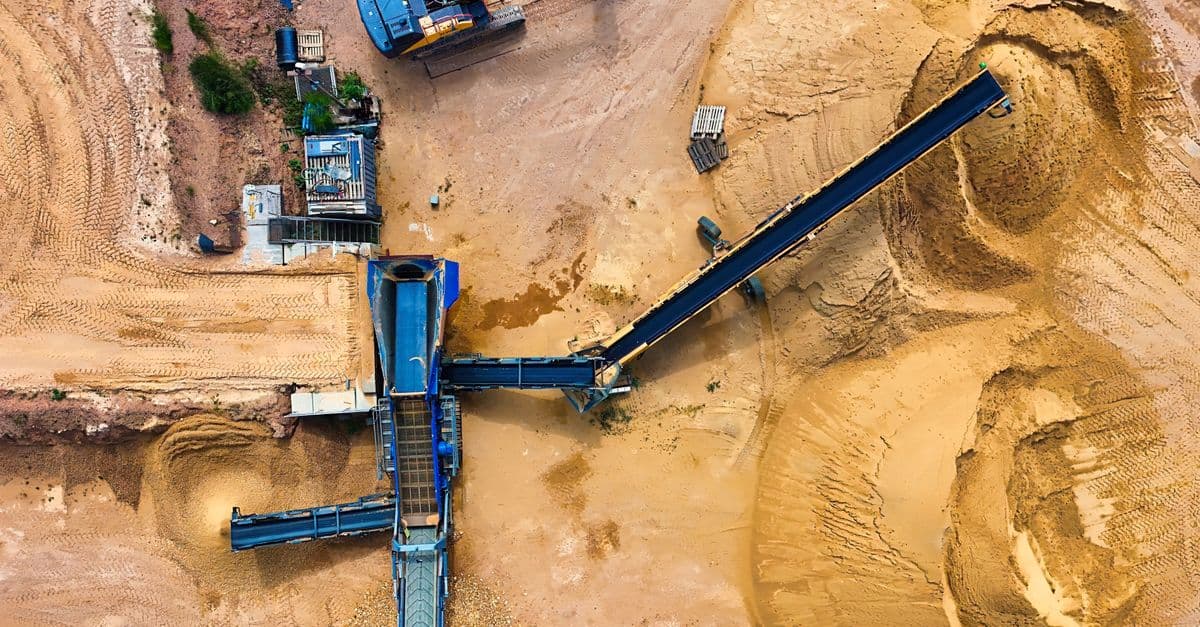
Grinding Circuit Performance Optimizer
Diagnose grinding mill performance and optimize energy consumption using Bond Work Index
What You Can Do
You can diagnose underperforming mills by analyzing operational data (motor current, discharge density, classifier efficiency) and applying Bond Work Index methodology to calculate optimal energy consumption. The skill helps you identify specific performance gaps, evaluate capital modifications, and implement targeted optimizations that reduce specific energy consumption while maintaining product quality and throughput targets.
Features
Interpret motor current draw, discharge density, mill speed, and feed rate to identify performance bottlenecks
Compute energy requirements and compare actual vs. theoretical specific energy consumption
Evaluate overflow particle size distribution and circuit closure to diagnose classification problems
Prioritize modifications (liner changes, mill speed adjustment, classifier upgrades) by impact and ROI
Convert PSD data into circuit performance metrics and identify sharp or misclassified fractions
Detect degradation in mill performance over time and recommend preventive interventions
Estimate throughput and cost impacts of proposed capital changes before implementation
Guide circuit startup, establish baseline metrics, and validate performance against design specifications
Example Output
Example 1: Underperforming Ball Mill Diagnosis
Input: Mill current 850 A, target 820 A; discharge density 75% solids; classifier overflow D80 = 85 µm (target 65 µm); mill speed 73% critical speed.
Output:
- Performance gap: +3.7% mill current above target → classifier is overloaded, recycling coarse material
- Root cause: Classifier vane wear reducing sharpness; overflow density too high
- Specific energy: 14.2 kWh/t (vs. Bond predicted 12.8 kWh/t)
- Recommendation 1 (quick win): Reduce discharge density to 70% solids → estimate +6% throughput, -2% energy cost (~$8k/month savings)
- Recommendation 2 (capital): Replace classifier vanes (~$35k) → restore D80 to 65 µm, reduce recycl rate by 18%
Example 2: Energy Optimization Before/After
Input: SAG mill treating 280 t/h porphyry ore; current specific energy 18.5 kWh/t; Bond Work Index = 16.5 kWh/t.
Output:
- Efficiency ratio: 1.12 (12% above theoretical minimum)
- Energy waste drivers: Liner wear (estimated 3% loss), classifier undersize bypass (4% loss), mill speed 74% (5% loss)
- Optimized scenario: Adjust mill speed to 77%, replace liners, upgrade classifier → projected 16.8 kWh/t (-9.2% energy, -$180k annual cost)
- Circuit closure: Current 3.2× → target 3.0× (reduced recycl energy penalty)
What's Included
- SKILL.md: Complete grinding circuit diagnostics workflow, Bond Work Index methodology, mill KPI definitions, and troubleshooting decision trees
- Operational Metrics Template: Spreadsheet for collecting and normalizing 24-hour averages of mill current, discharge density, classifier PSD, and feed parameters
- Bond Work Index Calculation Worksheet: Step-by-step guide with formulas for feedsize analysis, product sizing, and energy estimation
- Optimization Priority Matrix: Framework for ranking mill modifications (liner replacement, mill speed, classifier upgrade, gearbox inspection) by impact and cost
- Troubleshooting Checklist: Decision tree for rapid diagnosis of mill underperformance, vibration spikes, overflow density excursions, and power fluctuations
Who It's For
- Minerals processing engineers managing grinding circuits in hard rock, copper, gold, or iron ore operations
- Mill operators and process technicians optimizing daily circuit performance and investigating operational anomalies
- Comminution specialists evaluating capital equipment modifications and circuit debottlenecking projects
- Process consultants diagnosing underperforming mills and designing efficiency improvement programs
- Plant managers identifying energy cost reduction opportunities in existing milling infrastructure
Best For
- Diagnosing why a mill is consuming more energy than design or experiencing lower throughput than target
- Interpreting sieve analysis, circuit efficiency, and classifier overflow data to identify specific performance gaps
- Evaluating the impact of capital modifications (new liners, mill speed changes, classifier upgrades) before investment
- Commissioning new grinding circuits and establishing baseline performance metrics
- Troubleshooting abnormal mill behavior (vibration, overheating, density spikes, power fluctuations)
You might also like

Create comprehensive agricultural development interventions tailored to specific communities by integrating local agro-ecological conditions, stakeholder expertise, and monitoring frameworks. You'll develop implementation roadmaps that combine research evidence with practical feasibility assessments, ensuring interventions address real farmer needs while building capacity for long-term sustainability.
 by jkfnc
You can design optimized blast patterns by laying out drill hole grids with calculated spacing and burden values, then validate charge calculations against permit limits and vibration thresholds. The skill verifies regulatory compliance by assessing peak particle velocity (PPV), calculating blast radiuses, and confirming adherence to environmental permit conditions—all while generating standardized blast documentation ready for review.
by jkfnc
You can create comprehensive, evidence-based education programs tailored to low-resource development contexts, integrating equity analysis and cultural adaptation strategies from the start. Claude helps you systematically address constraints while building sustainable frameworks that align with local priorities, available resources, and proven educational outcomes. The skill guides you through stakeholder engagement, curriculum design, and monitoring systems that ensure programs remain effective and equitable across diverse learning environments.
by jkfnc
You can transform raw water quality lab results into comprehensive, regulatory-aligned compliance reports. This skill analyzes chemical parameters (pH, metals concentration, sulfates, TSS), generates trend analysis, flags non-compliance incidents, and produces stakeholder communications—automating the entire assessment workflow while ensuring accuracy and legal compliance for NPDES permits, state discharge standards, and permit renewal applications.
by jkfnc
This skill analyzes field data from humanitarian operations to forecast supply shortages before they occur, optimize distribution routes across complex geographies, and coordinate inventory across multiple sites. You provide operational data, and Claude delivers actionable logistics recommendations that reduce waste, improve response times, and ensure critical supplies reach those who need them most.
by jkfnc
You can diagnose underperforming leaching circuits by analyzing real-time metrics (temperature, pH, solid/liquid ratio, reagent consumption, aeration) against hydrometallurgical first principles. The skill predicts how parameter changes affect metal recovery rates and reagent efficiency, then delivers systematic optimization recommendations to close performance gaps, reduce reagent waste, and accelerate circuit commissioning or troubleshooting timelines.
by jkfnc
Upload or paste real-time ventilation monitoring data—temperature readings, gas concentrations (CO₂, CH₄, O₂), airflow rates, and pressure differentials—and Claude analyzes patterns to diagnose specific problems like fan failures, duct blockages, recirculation zones, or inadequate fresh air distribution. You get a structured diagnostic report with identified root causes and prioritized corrective actions, ready to present to your team or regulatory inspectors.
by jkfnc
You can design comprehensive, multi-source data collection systems that integrate quality assurance and field documentation for development projects. The skill helps you develop sampling strategies tailored to your project scope, create standardized data collection tools, and establish quality protocols that ensure reliable M&E outcomes. You'll produce complete frameworks that balance data rigor with practical field implementation constraints.
by jkfnc