

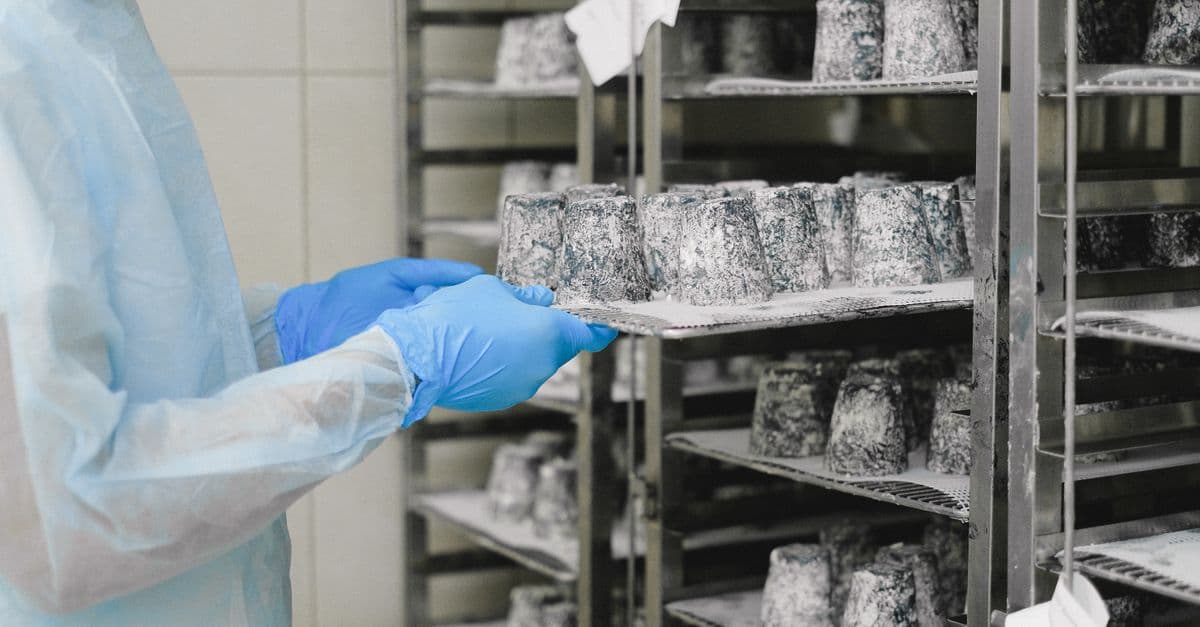
Food Safety Audit Protocol Builder
Build HACCP-aligned audit protocols mapped to facility hazards and regulatory requirements
What You Can Do
You can create comprehensive, risk-weighted audit protocols customized to your facility's products, processes, and operational scale. The skill maps hazard analyses directly to audit observations, translates regulatory language into measurable criteria, and prioritizes questioning sequences around critical control points. This ensures your audits are both technically sound and defensible under regulatory scrutiny.
Features
translates your products and processes into site-specific biological, chemical, and physical hazard profiles aligned with HACCP principles
cross-references FSMA preventive controls, produce safety, supply chain requirements, and GFSI standards (SQF, BRC, FSSC 22000) to audit scope
prioritizes questions and sampling around critical control points and high-consequence hazards proportional to facility complexity
flags CCPs requiring validation, monitoring procedures, and corrective action documentation in your protocol
builds follow-up protocols focused on specific compliance gaps from previous audits with enhanced question sequencing
handles mixed-product facilities with distinct hazard profiles (e.g., dry goods + refrigerated + allergen-sensitive lines)
generates scope statements, sampling rationales, and decision logic defensible under regulatory review
organizes protocols with decision points and branching logic suitable for training junior auditors on systematic evaluation
Example Output
Example 1: Ready-to-Eat Processing Facility Protocol
Critical Control Point: Thermal Processing
- Hazard: Listeria monocytogenes survival in low-temperature-long-time pasteurization
- Audit Questions:
- Review validation study demonstrating lethality for target pathogens (5-log reduction minimum)
- Confirm time-temperature recording devices calibrated within 12 months
- Verify corrective action procedure: what happens if core temp drops below 63°C for >2 min?
- Examine last 30 days of monitoring records for excursions
- Sampling: 100% of processing batches in past 90 days
Example 2: Produce Farm Audit Protocol (FSMA Compliance)
Section: Biological Hazard—Pathogenic E. coli
- Risk Level: HIGH (leafy greens, ready-to-eat use)
- Audit Criteria:
- Water source testing: ≥4 samples/growing season, <100 CFU/100mL generic E. coli
- Agricultural water treatment: document chlorination residuals (0.5–1.5 ppm at application point)
- Worker health & hygiene: verify policies for symptomatic illness reporting
- Documentation Review: Test reports, treatment logs, training records
Example 3: Follow-up Audit Protocol (Previous NC: Inadequate Allergen Controls)
Enhanced Verification Section:
- Review reformulated cleaning validation study post-remediation
- Test 15 high-contact surfaces in allergen zone (ATP swabs + visual inspection)
- Observe one full production shift for cross-contact risk behaviors
- Verify staff retraining completion with competency assessment
What's Included
- SKILL.md: complete instruction file with hazard mapping logic and regulatory framework references
- Facility Profile Template: worksheet to capture product categories, process flow, capacity, and previous audit history
- HACCP-to-Audit Mapping Framework: spreadsheet linking hazard analysis outputs to specific audit questions and CCPs
- Risk Scoring Matrix: weighted criteria for prioritizing audit scope and sampling intensity by facility complexity
- Regulatory Requirement Checklist: cross-reference guide for FSMA, GFSI standards, and state-specific food safety rules
- Protocol Narrative Template: structured format for documenting scope, methodology, and decision logic for audit defensibility
Who It's For
- Third-party food safety auditors conducting FSMA, GFSI, or customer compliance audits
- Food safety managers at manufacturing or processing facilities developing internal audit programs
- Regulatory compliance officers building audit frameworks for multi-facility food companies
- Quality assurance leads designing risk-based inspection protocols for produce farms or distributed operations
- Food safety consultants developing tailored audit procedures for new client facility types
Best For
- Building facility-specific audit protocols from scratch or adapting generic checklists to your operation's hazard profile
- Creating risk-weighted audit plans that allocate resources proportional to critical control point criticality
- Designing follow-up or focused audits targeting specific nonconformities with enhanced verification procedures
- Documenting audit scope and sampling rationales to support regulatory defensibility and third-party certification
- Training auditors on systematic hazard-to-audit mapping and decision logic for consistent evaluation quality
You might also like
You can submit marketing copy, label claims, or advertising language and receive a structured compliance assessment that maps claims against FDA/FTC guidance, state regulations, and case law. The skill identifies claim type (health claim, structure-function claim, comparative claim, etc.), flags regulatory risks across jurisdictions, assesses substantiation strength, and recommends revisions to reduce enforcement exposure. This accelerates claim review workflows and prevents costly post-launch violations.
 by adeline117
You can design and execute professional texture profiling studies that decompose complex mouthfeel characteristics into measurable, reproducible dimensions. This framework guides you through panelist training with calibrated reference scales, standardized texture vocabulary, data collection protocols, and translation of sensory results into actionable product specifications that R&D and quality control can implement and monitor.
by adeline117
You can input your current processing parameters (temperature, time, moisture, pH, and other critical control points) alongside performance metrics, and Claude will benchmark them against industry standards, identify which variables most influence your outcomes, and generate hypothesis-driven optimization recommendations. The skill helps you create reproducible protocols that reduce batch-to-batch variability while maintaining food safety compliance and regulatory requirements.
by adeline117
You can evaluate packaging solutions across multiple critical dimensions simultaneously. Claude analyzes material compatibility with specific food products, verifies compliance with FDA, EU, and international food contact regulations, calculates environmental impact and identifies sustainable alternatives, models barrier properties against oxygen/moisture/light penetration, estimates lifecycle costs, and generates technical documentation for suppliers and regulatory submissions. This integrated approach helps you make packaging decisions that protect product quality while meeting sustainability and budget requirements.
by adeline117
You design and architect Tableau dashboards optimized for performance, scalability, and enterprise deployment. Claude helps you assess current dashboard complexity, recommend data model improvements, and implement architecture patterns that scale to thousands of concurrent users while maintaining sub-second query response times.
by adeline117
You can conduct rigorous texture evaluations that integrate descriptive sensory panels with instrumental measurements, ensuring consistency and consumer relevance. This skill guides you through descriptor standardization, panel training protocols, instrumental correlation workflows, and cross-functional communication of texture findings. You'll build validated texture specifications, troubleshoot texture defects with data-backed solutions, and benchmark competitive products against your standards.
by adeline117
You can analyze and optimize your Databricks SQL queries and data pipelines to dramatically improve performance and reduce compute costs. This skill identifies bottlenecks, suggests architectural improvements, and generates actionable optimization strategies backed by execution plan analysis and cost-benefit calculations.
by adeline117
You can transform raw sensory data and consumer feedback into standardized flavor architectures that drive formulation decisions. This skill systematizes descriptive analysis results, models how ingredient combinations create emergent flavor characteristics, and translates preference data into actionable formulation adjustments. You'll create evidence-based flavor briefs that align R&D and marketing stakeholder expectations while documenting flavor architecture for regulatory compliance.
by adeline117