

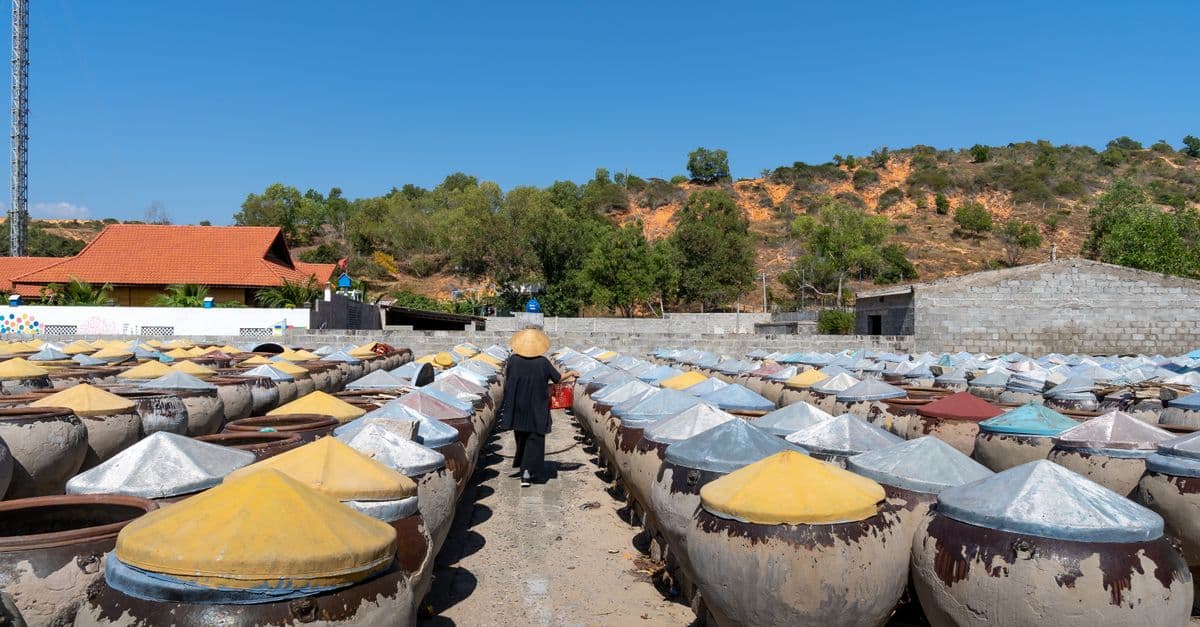
Fermentation Process Optimization & Diagnostics
Diagnose fermentation problems and optimize microbial parameters using kinetic analysis
What You Can Do
You can diagnose stuck fermentations, predict lag/log/stationary phases, and optimize metabolite production by analyzing fermentation data through the lens of microbial kinetics. Claude helps you identify root causes of pH drift, temperature deviations, or inconsistent results, then recommends evidence-based adjustments to substrate composition, inoculation rates, and processing conditions. You'll scale fermentations confidently from lab to pilot/production scale with scientific rigor.
Features
analyze sensor data (pH, temperature, OD600, gas production) to identify why fermentations stall, deviate, or fail
model lag, log, and stationary phases to estimate duration and final product characteristics
recommend adjustments to substrate, temperature profiles, inoculation density, and aeration based on kinetic principles
compare historical data to identify sources of variation and standardize protocols
evaluate microbial ecology and suggest control strategies based on fermentation conditions
translate lab-scale results to pilot/production scale with predictive modeling and risk analysis
generate scientifically rigorous fermentation records with kinetic justifications for regulatory compliance
model conditions that maximize yield of ethanol, lactic acid, flavor compounds, or other target metabolites
Example Output
Example 1: Stuck Fermentation Diagnosis
User provides: Day 5 fermentation data showing pH stable at 4.2, temperature steady at 28°C, but OD600 plateaued at 0.8 (expected 2.5+).
Claude output:
- Likely cause: Nitrogen limitation or acetate overflow (typical at low C:N ratios)
- Root check: Compare initial substrate composition; validate pH hasn't inhibited growth
- Corrective action: Reduce glucose concentration 15–20% or increase urea by 0.5 g/L; resume monitoring in 6 hours
Example 2: Scale-Up Prediction
User provides: Lab-scale (2L bioreactor) fermentation parameters and kinetic data; wants to scale to 50L pilot.
Claude output:
- Predicted kinetic changes: Longer lag phase (+12–18 hours) due to oxygen transfer coefficient shift; log phase steepness reduced ~20%
- Parameter adjustments: Increase aeration rate to 0.8 vvm; reduce inoculum density from 5% to 2% to maintain growth rate; adjust cooling capacity for 40% higher metabolic heat
- Timeline: Predict fermentation 8–10 days (vs. 6 days at lab scale)
Example 3: Batch Inconsistency Root Cause
User provides: 5 successful fermentations + 2 failed batches with sensory & kinetic data.
Claude output:
- Pattern identified: Failed batches used glycerol from supplier B (vs. A in successful batches); kinetic modeling suggests glycerol B contaminant inhibits growth by ~15% at day 3
- Recommendation: Requalify supplier B or return to supplier A; validate with next 3 batches before resuming full production
What's Included
- SKILL.md instruction file: complete fermentation diagnostics and optimization framework
- Fermentation Troubleshooting Checklist: systematic diagnostic workflow for stuck, slow, or inconsistent fermentations
- Kinetic Parameter Template: structured format for recording lag time, growth rate, doubling time, and stationary phase onset
- Scale-Up Risk Matrix: oxygen transfer, heat removal, mixing, and contamination risk assessment for lab-to-pilot transitions
- Sensory & Quality Reference Guide: flavor, aroma, and visual indicators correlated with fermentation stage and microbial health
Who It's For
- Food fermentation scientists — optimizing yogurt, cheese, beer, wine, or kombucha fermentations
- Microbiology process engineers — managing bioprocess scale-up and consistency in production facilities
- Biotech R&D teams — designing novel fermentation protocols and troubleshooting novel strains
- Craft beverage producers — improving consistency and predicting fermentation timelines for batch planning
- Quality assurance specialists — documenting root cause analysis and validating fermentation control strategies
Best For
- Diagnosing stuck, slow, or stalled fermentations using kinetic analysis
- Predicting fermentation duration and final metabolite concentration from early-stage data
- Optimizing temperature, pH, substrate, or inoculation parameters for yield or speed
- Scaling lab-scale protocols to pilot or production scale with risk mitigation
- Troubleshooting batch-to-batch inconsistency and identifying process drift
- Validating new microbial strains or substrate combinations before full-scale production
You might also like
You can submit marketing copy, label claims, or advertising language and receive a structured compliance assessment that maps claims against FDA/FTC guidance, state regulations, and case law. The skill identifies claim type (health claim, structure-function claim, comparative claim, etc.), flags regulatory risks across jurisdictions, assesses substantiation strength, and recommends revisions to reduce enforcement exposure. This accelerates claim review workflows and prevents costly post-launch violations.
 by adeline117
You can design and execute professional texture profiling studies that decompose complex mouthfeel characteristics into measurable, reproducible dimensions. This framework guides you through panelist training with calibrated reference scales, standardized texture vocabulary, data collection protocols, and translation of sensory results into actionable product specifications that R&D and quality control can implement and monitor.
by adeline117
You can input your current processing parameters (temperature, time, moisture, pH, and other critical control points) alongside performance metrics, and Claude will benchmark them against industry standards, identify which variables most influence your outcomes, and generate hypothesis-driven optimization recommendations. The skill helps you create reproducible protocols that reduce batch-to-batch variability while maintaining food safety compliance and regulatory requirements.
by adeline117
You can evaluate packaging solutions across multiple critical dimensions simultaneously. Claude analyzes material compatibility with specific food products, verifies compliance with FDA, EU, and international food contact regulations, calculates environmental impact and identifies sustainable alternatives, models barrier properties against oxygen/moisture/light penetration, estimates lifecycle costs, and generates technical documentation for suppliers and regulatory submissions. This integrated approach helps you make packaging decisions that protect product quality while meeting sustainability and budget requirements.
by adeline117
You design and architect Tableau dashboards optimized for performance, scalability, and enterprise deployment. Claude helps you assess current dashboard complexity, recommend data model improvements, and implement architecture patterns that scale to thousands of concurrent users while maintaining sub-second query response times.
by adeline117
You can conduct rigorous texture evaluations that integrate descriptive sensory panels with instrumental measurements, ensuring consistency and consumer relevance. This skill guides you through descriptor standardization, panel training protocols, instrumental correlation workflows, and cross-functional communication of texture findings. You'll build validated texture specifications, troubleshoot texture defects with data-backed solutions, and benchmark competitive products against your standards.
by adeline117
You can analyze and optimize your Databricks SQL queries and data pipelines to dramatically improve performance and reduce compute costs. This skill identifies bottlenecks, suggests architectural improvements, and generates actionable optimization strategies backed by execution plan analysis and cost-benefit calculations.
by adeline117
You can transform raw sensory data and consumer feedback into standardized flavor architectures that drive formulation decisions. This skill systematizes descriptive analysis results, models how ingredient combinations create emergent flavor characteristics, and translates preference data into actionable formulation adjustments. You'll create evidence-based flavor briefs that align R&D and marketing stakeholder expectations while documenting flavor architecture for regulatory compliance.
by adeline117