

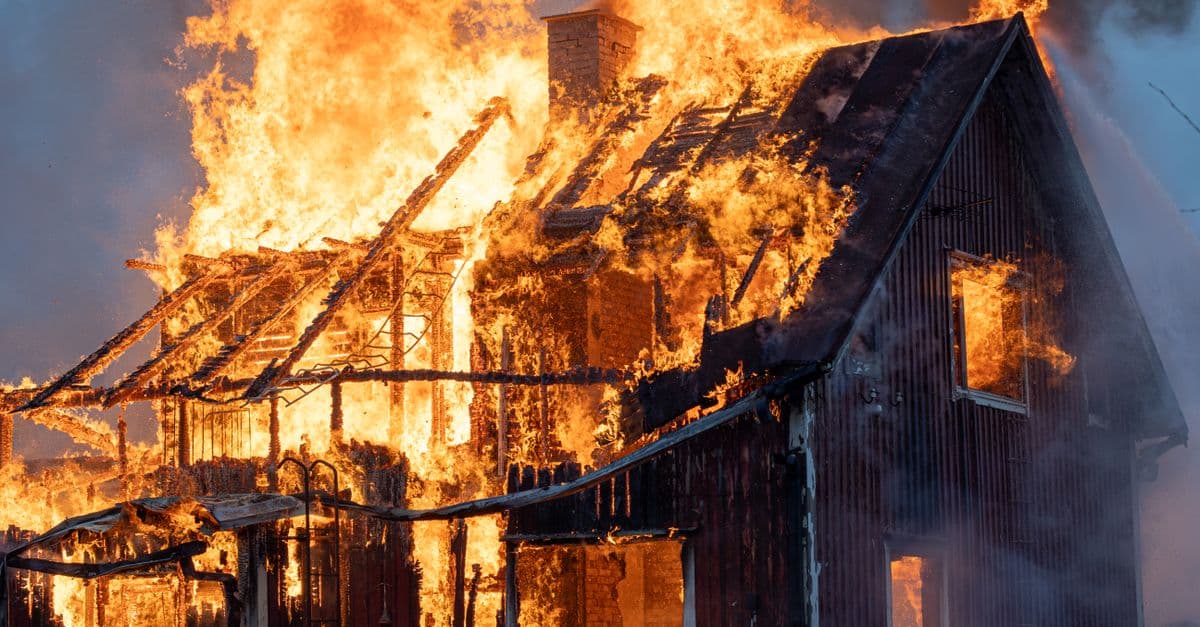
Arson Investigation Analyzer
Analyze fire loss claims for fraud indicators and structure investigations
What You Can Do
You can systematically evaluate fire loss claims to identify suspicious patterns and fraud indicators, organize physical and testimonial evidence into structured formats, and build detailed investigation timelines that hold up in legal proceedings. This skill helps you synthesize complex fire data, cross-reference witness statements, and generate standardized reports that insurance companies and legal teams can act on immediately.
Features
Identifies red flags in fire circumstances—timing anomalies, beneficiary changes, prior claims, suspicious maintenance records—that warrant deeper investigation
Structures physical evidence (burn patterns, accelerant traces, debris analysis) and testimonial evidence (witness statements, expert findings) into coherent investigation packages
Builds detailed chronologies of fire incidents, from pre-fire activities through discovery and suppression, highlighting critical gaps and inconsistencies
Evaluates responsibility based on evidence, determines probable cause, and identifies competing theories of loss for claim evaluation
Compares current claim against known arson indicators and established fire behavior patterns to assess statistical likelihood of intentional origin
Cross-references multiple witness statements to identify contradictions, corroborations, and credibility concerns for litigation preparation
Analyzes fire behavior, spread patterns, and origin indicators to support or challenge fire marshal determinations
Generates standardized investigation reports, expert summaries, and evidentiary exhibits formatted for court submission
Example Output
Example 1: Fraud Risk Assessment
Claim ID: 2024-FIR-089234
- 🚩 HIGH RISK INDICATORS (Score: 8.2/10)
- Recent policy change (coverage increased 40% six weeks prior)
- Beneficiary change filed 8 months before loss
- Two prior claims (2019, 2022) for water damage
- Fire discovered by owner at 3:47 AM (high-risk time window)
- Accelerant trace (gasoline) detected but no clear source
- Occupancy records conflict: owner claims occupied, neighbors report vacant 2 weeks
RECOMMENDATION: Escalate to SIU for fraud investigation
Example 2: Timeline and Evidence Summary
- 📅 INCIDENT TIMELINE
2024-03-15 03:47 — Fire discovery (911 call)
03:52 — Fire department arrival, active fire in living room
04:15 — Fire contained; origin identified: upholstered sofa

- 🧪 PHYSICAL EVIDENCE
✓ Burn pattern: V-shaped, concentrated origin (liquid accelerant)
✓ Debris analysis: Gasoline residue detected (2-3 liter quantity)
✓ Sofa frame: Non-flammable, indicates external ignition source

CONCLUSION: Evidence supports incendiary origin
Example 3: Witness Credibility Matrix
| Witness | Statement | Conflicts | Reliability |
|---------|-----------|-----------|-------------|
| Neighbor A | "Vacant 2 weeks" | Owner claims occupied | 4/5 |
| Neighbor B | "Chemical smell night before" | No corroboration | 3/5 |
| Fire Chief | "Professional burn pattern" | Supports arson theory | 5/5 |
| Owner | "Was sleeping" | Contradicts neighbors | 1/5 |
What's Included
- Fraud Indicator Framework: Comprehensive checklist of psychological, financial, and circumstantial red flags used by insurance investigators and law enforcement
- Evidence Assessment Matrix: Structured system for cataloging physical evidence (burn patterns, accelerants, debris) and testimonial evidence (statements, expert opinions) by credibility level
- Investigation Timeline Template: Pre-formatted chronology builder that captures pre-fire events, discovery, response, and suppression phases with time-gap analysis
- Witness Evaluation Worksheet: Side-by-side comparison tool for cross-referencing statements, identifying contradictions, and assessing witness credibility and bias
- Legal Report Generator: Automated templates for expert reports, sworn statements, and court-ready documentation with proper formatting and evidence citations
- Fire Pattern Interpretation Guide: Reference material for analyzing burn patterns, flame spread, smoke behavior, and origin indicators consistent with professional fire science standards
Who It's For
- Insurance Investigators
- Fire Marshals and Arson Specialists
- Forensic Engineers and Fire Analysts
- Claims Adjusters (Fire Loss Specialists)
- Legal Counsel for Insurance Defense
Best For
- Initial fraud risk assessment on fire claims
- Multi-witness statement analysis and contradiction detection
- Fire origin determination and evidence synthesis
- Insurance litigation and expert report preparation
- Investigation documentation and case file organization
You might also like

Systematically evaluate medical claims against coverage policies, identify denial criteria, and generate compliant denial rationales with documented medical necessity assessments. You'll produce clear, legally defensible documentation that supports utilization review decisions and formal appeal processes, reducing manual review time while ensuring regulatory compliance.
 by jackwener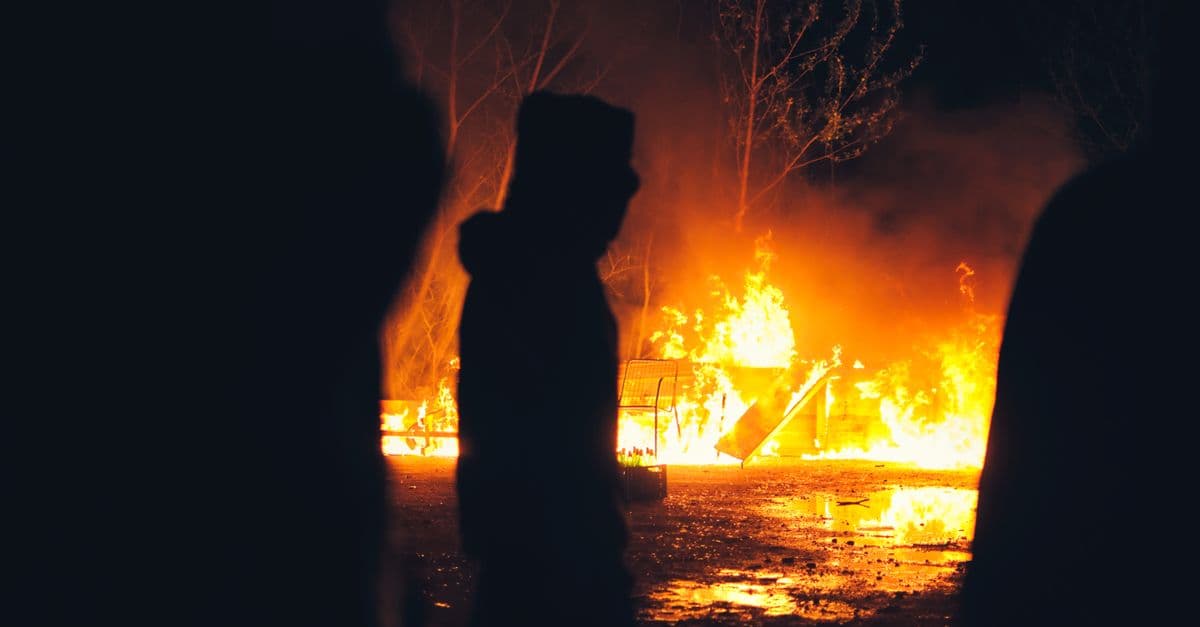
You get a comprehensive framework to analyze suspicious fire claims, identify fraud indicators, and generate structured investigation reports. Claude helps you correlate evidence, evaluate witness statements, and assess fraud risk across multiple claims simultaneously.
by jackwener
Analyze insurance claims against 50+ documented fraud indicators, automatically organize evidence into searchable timelines, and generate comprehensive investigation narratives that connect claim details to suspicious patterns. You'll identify red flags faster, structure case evidence systematically, and produce investigation narratives that SIU teams can immediately act on—cutting analysis time from hours to minutes while maintaining rigorous documentation standards.
by jackwener
You can systematically evaluate medical claims against coverage policies, validate medical necessity based on clinical guidelines, and identify suspicious patterns or coding anomalies. The skill generates detailed coverage determinations with citations, flags high-risk claims for manual review, and maintains an audit trail for compliance and appeals.
by jackwener
This skill analyzes medical records, treatment histories, and supporting documentation to organize, prioritize, and strengthen disability insurance claims. It identifies critical documentation gaps, flags inconsistencies, and assesses evidence strength to improve approval likelihood. Whether managing your own disability claim or processing applications professionally, it accelerates evidence review and ensures no crucial details are overlooked.
by jackwener
You can systematically evaluate liability claims by organizing evidence, synthesizing facts, and determining fault with clear reasoning chains that withstand scrutiny. The skill synthesizes incident details, witness statements, and supporting documentation into structured liability findings. You'll generate defensible determinations with explicit reasoning that supports both coverage decisions and defense strategies.
by jackwener
You can rapidly assess third-party liability exposure in property claims, organize fragmented evidence into compelling legal narratives, and develop data-driven recovery strategies that maximize subrogation outcomes. This skill identifies liable parties across complex multi-party incidents, quantifies recoverable damages, and structures settlement recommendations with supporting documentation.
by jackwener
This skill helps insurance adjusters process property claims faster by automating damage assessment, identifying fraud patterns, and analyzing coverage requirements. You get structured damage documentation, fraud risk scores, settlement calculations, and regulatory-compliant reports—enabling faster, more accurate claim decisions.
by jackwener