

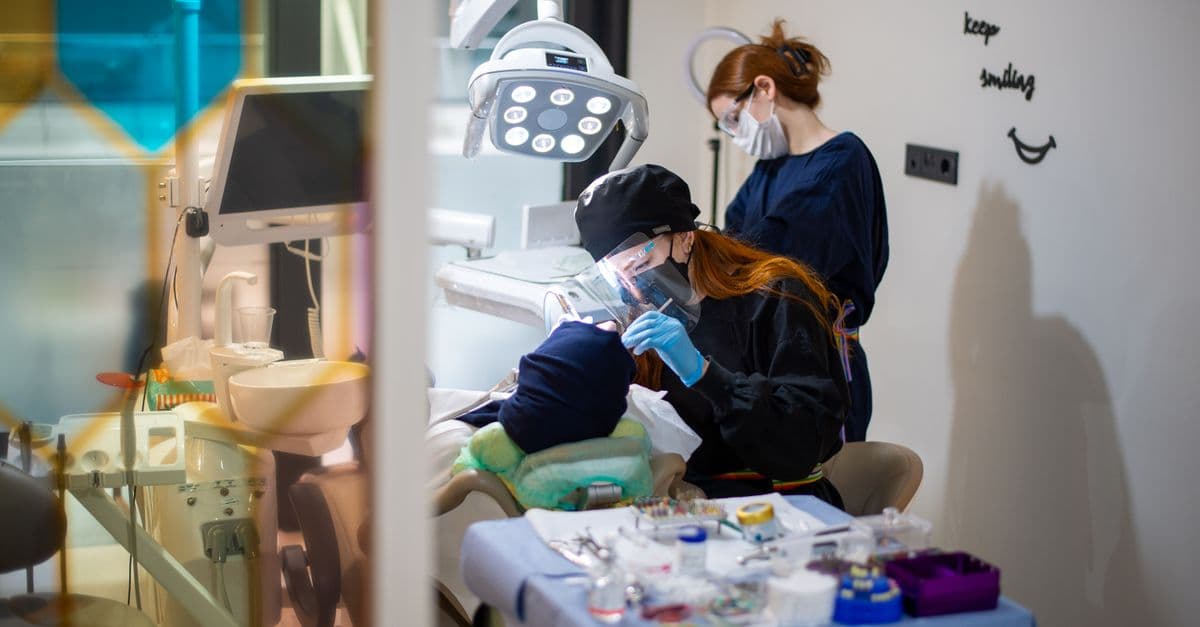
Surgical Case Planning for Orthodontists
Plan surgical-orthodontic treatment with precise movements, staging, and risk analysis
What You Can Do
This skill enables you to develop detailed surgical-orthodontic treatment plans by synthesizing cephalometric data, patient anatomy, functional goals, and surgical constraints. You can translate skeletal discrepancies into actionable treatment sequences with specific tooth movement targets, surgical staging recommendations, stability predictions, and esthetic-functional trade-offs. It bridges diagnosis and surgeon collaboration while accounting for surgical envelope limitations and differential growth considerations.
Features
synthesize skeletal measurements to quantify Class II, Class III, and asymmetry discrepancies with precision
map pre-surgical orthodontics with precise movement targets, staging timeline, and procedural staging recommendations
recommend bimaxillary, single-jaw, or adjunctive surgical-graft approaches based on skeletal anatomy
calculate specific tooth movements in millimeters and degrees for anterior-posterior, vertical, and transverse dimensions
assess post-surgical retention requirements and forecast relapse potential with evidence-based protocols
identify surgical constraints, TMJ considerations, nerve involvement zones, and esthetic-functional trade-offs
address anterior open bite, excessive gingival display, and mandibular plane angle concerns systematically
present treatment options comparing surgical vs. non-surgical approaches with outcome profiles
Example Output
Example 1: Class III Bimaxillary Case
Skeletal Summary: ANB angle -8°, Wits appraisal -6mm, posterior facial height 58%, facial asymmetry 4mm menton deviation
Surgical Plan:
- Maxillary advancement: +5mm AP, +2mm vertical (counter-clockwise rotation)
- Mandibular setback: -8mm AP, -1mm vertical
- Bimaxillary approach via BSSO/LeFort I
- Pre-surgical ortho phase: 18 months (dental decompensation, leveling, alignment)
- Surgical phase: 6 months post-op stabilization
Movement Targets:
- Upper incisors: 5mm forward, 2mm intrusion
- Lower incisors: 8mm backward, 2mm extrusion
- Molars: Class I coordination post-surgery
Retention: Fixed bonded retainers 24 months + nightly removable retention
Example 2: Anterior Open Bite with Asymmetry
Skeletal Summary: IMPA 65°, posterior facial height 62%, canting 3° maxillary cant, 5mm open bite
Surgical Plan:
- Maxillary impaction: -3mm (closing bite), counterclockwise rotation
- Mandibular asymmetry correction: left-side counterclockwise rotation
- Genioplasty consideration: +2mm horizontal projection
- Pre-surgical ortho: 20 months (extrude posterior maxilla, level curve of Spee)
- Stability protocol: Hard tissue stability 18+ months, retention indefinite
Risk Factors: TMJ loading, anterior relapse potential, airway considerations
What's Included
- SKILL.md instruction file with complete surgical case analysis framework:
- Cephalometric Analysis Template: structured worksheet for ANB, Wits, IMPA, facial height, asymmetry quantification
- Surgical-Orthodontic Treatment Plan Checklist: verification items for surgical feasibility, movement targets, staging, and complications
- Pre-Surgical Orthodontic Sequencing Workflow: phased timeline from initial consultation through surgical clearance
- Post-Surgical Retention Protocol Guide: evidence-based retention recommendations by case type (Class II, Class III, asymmetry, vertical)
- Surgical vs. Non-Surgical Alternative Comparison Framework: risk-benefit analysis template for patient consultation
Who It's For
- Orthodontists managing adult patients with severe skeletal discrepancies requiring maxillofacial surgeon consultation
- Orthodontists preparing comprehensive surgical workup documentation and treatment planning
- Dental residents and fellows training in surgical-orthodontic case management and interdisciplinary coordination
- Dental practice teams coordinating pre-surgical and post-surgical orthodontic phases with surgical partners
- Orthodontists presenting treatment options with surgical vs. non-surgical alternatives to patients
Best For
- Developing detailed surgical-orthodontic treatment plans for Class II, Class III, and asymmetry cases
- Sequencing pre-surgical orthodontics with quantified tooth movement targets and staging timelines
- Analyzing cephalometric data to determine surgical approach (bimaxillary, single-jaw, adjunctive)
- Creating surgical consultation documentation for maxillofacial surgeons with specific movement parameters
- Planning post-surgical retention protocols and forecasting stability based on case complexity
- Managing vertical problems including anterior open bite and excessive gingival display surgically
- Comparing orthognathic surgery with non-surgical camouflage alternatives for patient decision-making
You might also like
You can systematically develop phase-by-phase orthodontic treatment protocols that synthesize diagnostic data, patient anatomy, and mechanical principles. This skill generates detailed appliance selection recommendations, extraction vs. non-extraction analyses, wire progression sequences, and clinical milestones to guide efficient execution from initial placement through retention for complex malocclusions requiring three-dimensional control.
 by comeonoliver
You can input detailed case information—including patient history, radiographic findings, clinical examination results, and anatomical considerations—and receive a comprehensive treatment analysis. The skill generates structured case summaries, identifies critical diagnostic elements, evaluates treatment options (conventional endodontic, surgical, or extraction), and produces documentation-ready prognosis assessments that support clinical decision-making and patient communication.
by comeonoliver
Stop bleeding money on forgotten subscriptions and negotiable expenses. This skill systematically dissects your spending, exposes hidden patterns you've overlooked, and generates a prioritized action plan that typically uncovers $2,000-$8,000+ in annual savings. You'll get specific negotiation templates, insider tips for lowering bills, and a complete expense audit that tells you exactly where your money is really going.
by comeonoliver
You can generate complete treatment plans for traditional fixed appliance cases by integrating diagnostic data, skeletal/dental analysis, and biomechanical principles. Claude helps you structure extraction vs. non-extraction decisions, design anchorage control strategies, sequence mechanics systematically, and create patient-facing narratives that explain your clinical rationale. This skill is designed for moderate-to-complex cases where defensible clinical reasoning and treatment efficiency optimization are critical.
by comeonoliver
You can comprehensively analyze failed root canal cases to pinpoint why initial treatment didn't succeed—whether due to technical errors, anatomical challenges, or biological factors. Claude helps you develop systematic retreatment protocols, document clinical decision-making for peer review and medicolegal protection, and create patient-facing explanations of treatment failure mechanisms.
by comeonoliver
You can systematically assess acute dentoalveolar injuries using structured frameworks that classify fracture types, luxation stages, and avulsion status. The skill guides you through rapid determination of urgency tiers, identifies associated injuries requiring coordination with other specialties, and establishes evidence-based treatment timelines—all while generating standardized documentation for medico-legal purposes.
by comeonoliver
You systematically develop comprehensive denture case plans by analyzing patient presentation data, classifying denture types, sequencing treatment phases, and generating detailed fabrication specifications. The skill guides you through material selection, esthetic requirement documentation, and clinical intent capture—producing standardized documentation that ensures your laboratory partner understands your clinical vision and reduces remake cycles.
by comeonoliver
You can systematically evaluate patients with severe skeletal discrepancies and develop coordinated surgical treatment plans that integrate cephalometric analysis, surgical movement simulation, and patient communication strategies. This skill structures the entire pre-operative planning process—from baseline skeletal assessment through surgical consultation readiness—ensuring precise documentation and clear coordination with maxillofacial surgery partners.
by comeonoliver