

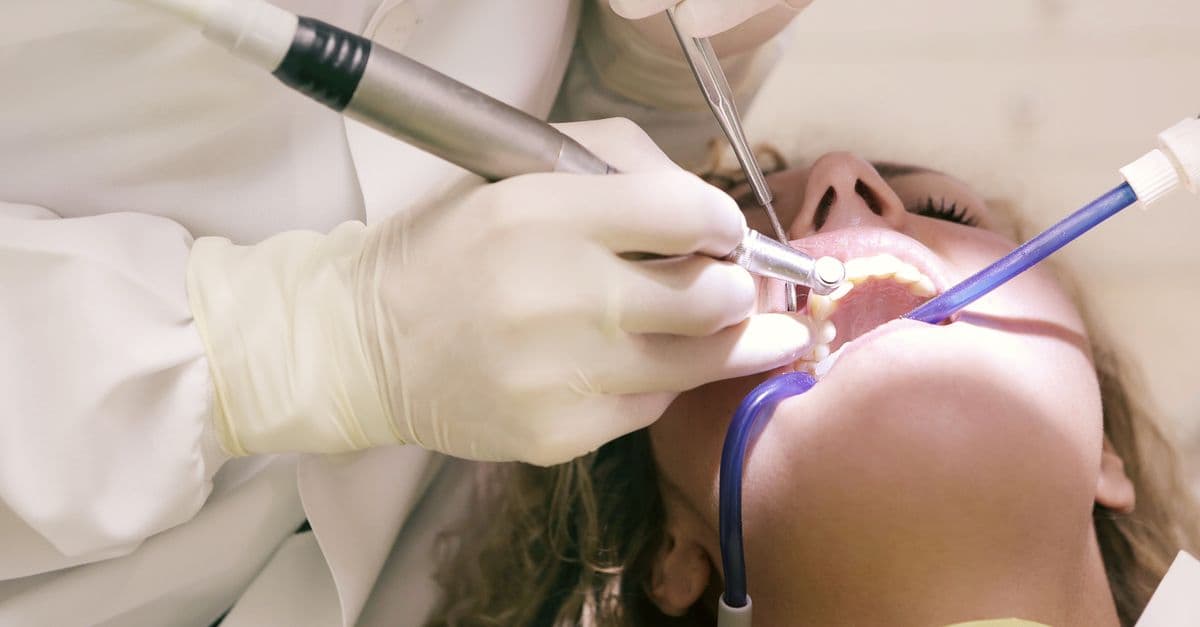
Endodontic Microsurgery Case Planner
Plan endodontic microsurgery with anatomical precision and risk-stratified checklists
What You Can Do
You can systematize complex endodontic microsurgical cases by leveraging CBCT analysis, anatomical hazard mapping, and evidence-based technique selection. Claude helps you interpret three-dimensional anatomy, identify neurovascular risks, select the most appropriate surgical approach for lesion morphology and location, and generate anatomically-specific surgical checklists that reduce technical errors and improve case predictability. This skill bridges diagnostic imaging interpretation with real-time surgical workflow optimization, providing decision rationale documentation for peer review and medicolegal protection.
Features
interpret three-dimensional bone morphology, lesion dimensions, and anatomical landmarks for surgical access planning
identify proximity to inferior alveolar nerve, mental foramen, maxillary sinus, and superior alveolar vessels
recommend apicoectomy angle, retrograde obturation material (MTA, composite, gutta-percha), and flap design based on lesion characteristics
assess procedural complexity, patient factors, and anatomical constraints to assign risk level and develop contingency protocols
generate context-specific troubleshooting logic for calcified canals, curved anatomy, and previous surgical complications
create anatomically-customized surgical workflow checklists that prioritize critical steps and safety measures
structure surgical decision rationale, alternatives considered, and anatomical findings for medical record completeness
Example Output
Example 1: Anterior Maxillary Case
- CBCT Finding: Right maxillary lateral incisor periapical lesion, 8mm diameter, 3mm from nasal floor, 5mm from mental foramen
- Risk Level: Moderate (adequate surgical access, manage nasal floor proximity)
- Recommended Technique: Conventional buccal flap, 45° apicoectomy, MTA retrograde obturation
- Critical Steps: Nasal floor protection, periosteal elevation limits, copious irrigation
Example 2: Posterior Mandibular Case
- CBCT Finding: Severe bone loss around distal root, calcified canal, 2mm from inferior alveolar canal
- Risk Level: High (neurovascular proximity, technical difficulty)
- Recommended Technique: Vertical releasing incision, enhanced magnification, composite retrograde obturation
- Contingency: Surgical retreat if anesthesia loss indicates IAC manipulation; consider orthograde nonsurgical alternative
Example 3: Retreatment Case
- CBCT Finding: Previous apical surgery with gutta-percha over-extension into sinus, persistent lesion
- Risk Level: Moderate–High (prior anatomy altered, material removal required)
- Recommended Approach: Conservative bone removal, sonic/ultrasonic guttapercha removal, biological material assessment
- Outcome: Documented decision rationale for case complexity and medicolegal protection
What's Included
- SKILL.md instruction file: complete framework for case analysis workflow
- CBCT anatomical analysis template: structured form for measuring lesion dimensions, hazard distances, and bone morphology
- Surgical technique decision matrix: evidence-based recommendations based on lesion location, morphology, and risk factors
- Risk stratification rubric: scoring system for assigning procedural complexity and contingency protocol selection
- Intraoperative checklist generator: customizable checklist for buccal flap, apicoectomy, and retrograde obturation steps
- Case documentation worksheet: structured format for recording anatomical findings, technique selection rationale, and medicolegal documentation
Who It's For
- Endodontists — streamline preoperative planning and standardize surgical decision-making for complex microsurgical cases
- Oral surgeons — optimize anatomical interpretation and surgical technique selection for apical surgery and complicated extraction sites
- Dental residents and fellows — build structured analytical skills and case preparation protocols under faculty supervision
- General dentists managing surgical referrals — understand surgical decision logic and communicate appropriately with referring clinicians
- Surgical mentors and educators — document and teach evidence-based approach to case selection and anatomical risk assessment
Best For
- Preoperative CBCT analysis and anatomical hazard identification for complex endodontic cases
- Surgical technique selection for posterior calcified canals, anterior vital anatomy proximity, and retreatment scenarios
- Risk stratification and contingency planning for difficult cases and resident case assignments
- Procedure-specific intraoperative checklist generation to standardize surgical workflow and reduce errors
- Medicolegal documentation and case rationale justification for peer review or litigation protection
You might also like
You can systematically develop phase-by-phase orthodontic treatment protocols that synthesize diagnostic data, patient anatomy, and mechanical principles. This skill generates detailed appliance selection recommendations, extraction vs. non-extraction analyses, wire progression sequences, and clinical milestones to guide efficient execution from initial placement through retention for complex malocclusions requiring three-dimensional control.
 by comeonoliver
You can input detailed case information—including patient history, radiographic findings, clinical examination results, and anatomical considerations—and receive a comprehensive treatment analysis. The skill generates structured case summaries, identifies critical diagnostic elements, evaluates treatment options (conventional endodontic, surgical, or extraction), and produces documentation-ready prognosis assessments that support clinical decision-making and patient communication.
by comeonoliver
Stop bleeding money on forgotten subscriptions and negotiable expenses. This skill systematically dissects your spending, exposes hidden patterns you've overlooked, and generates a prioritized action plan that typically uncovers $2,000-$8,000+ in annual savings. You'll get specific negotiation templates, insider tips for lowering bills, and a complete expense audit that tells you exactly where your money is really going.
by comeonoliver
You can generate complete treatment plans for traditional fixed appliance cases by integrating diagnostic data, skeletal/dental analysis, and biomechanical principles. Claude helps you structure extraction vs. non-extraction decisions, design anchorage control strategies, sequence mechanics systematically, and create patient-facing narratives that explain your clinical rationale. This skill is designed for moderate-to-complex cases where defensible clinical reasoning and treatment efficiency optimization are critical.
by comeonoliver
You can comprehensively analyze failed root canal cases to pinpoint why initial treatment didn't succeed—whether due to technical errors, anatomical challenges, or biological factors. Claude helps you develop systematic retreatment protocols, document clinical decision-making for peer review and medicolegal protection, and create patient-facing explanations of treatment failure mechanisms.
by comeonoliver
You can systematically assess acute dentoalveolar injuries using structured frameworks that classify fracture types, luxation stages, and avulsion status. The skill guides you through rapid determination of urgency tiers, identifies associated injuries requiring coordination with other specialties, and establishes evidence-based treatment timelines—all while generating standardized documentation for medico-legal purposes.
by comeonoliver
You systematically develop comprehensive denture case plans by analyzing patient presentation data, classifying denture types, sequencing treatment phases, and generating detailed fabrication specifications. The skill guides you through material selection, esthetic requirement documentation, and clinical intent capture—producing standardized documentation that ensures your laboratory partner understands your clinical vision and reduces remake cycles.
by comeonoliver
You can systematically evaluate patients with severe skeletal discrepancies and develop coordinated surgical treatment plans that integrate cephalometric analysis, surgical movement simulation, and patient communication strategies. This skill structures the entire pre-operative planning process—from baseline skeletal assessment through surgical consultation readiness—ensuring precise documentation and clear coordination with maxillofacial surgery partners.
by comeonoliver