


Market Domination Strategist
Develop and validate market domination strategies for category leadership

What You Can Do
You can systematically develop, analyze, and validate market domination strategies that establish your category leadership and sustainable competitive advantage. Claude maps competitive landscapes, identifies market gaps, constructs defensible positioning frameworks, stress-tests strategies against real-world scenarios, and creates detailed execution roadmaps for achieving market domination.
Features
Identify and map competitors across dimensions that matter to your target customers, including their strengths, weaknesses, positioning, and market share
Discover unmet customer needs and underserved segments where you can establish differentiation and build sustainable category leadership
Construct strategic positioning that leverages your unique strengths and creates competitive moats that are difficult for rivals to replicate
Develop phased market entry, customer acquisition, and expansion strategies aligned with your domination objectives and resource constraints
Validate strategies against competitive responses, market changes, and execution risks to identify vulnerabilities before implementation
Optimize budget and talent allocation across priorities to maximize impact on market domination and competitive advantage
Create detailed implementation timelines with quarterly milestones, dependencies, resource requirements, and key success metrics
Example Output
Example 1: Competitive Positioning Analysis
Market: B2B API management platform
Output:
- Identified 12 competitors across 3 segments (enterprise, mid-market, startup)
- Positioned differentiation on real-time analytics, 40% faster setup, 60% lower costs
- Created messaging framework emphasizing time-to-value and ROI for CFOs
- Stress test result: Low competitive price response risk due to customer switching costs
Example 2: Market Segmentation and Domination Ranking
Segment: Mid-market SaaS companies
- Market size: $2.8B, growing 24% annually
- Unmet needs: Integration simplicity, cost transparency
- Domination opportunity: HIGH (only 2 competitors, fragmented solutions)
- Recommended go-to-market: Direct sales with technical partnerships
Example 3: 18-Month Execution Roadmap
Phase 1 (Months 1-6): Establish mid-market leadership
- Acquire 50 target customers at $8K CAC
- Build partnership program with 5 strategic integrators
- Milestones: $2M ARR, 45% NRR, 3 case studies
Phase 2 (Months 7-12): Expand enterprise segment
- Launch vertical-specific features
- Hire enterprise sales team
- Milestones: $5M ARR, establish analyst recognition
Phase 3 (Months 13-18): Build competitive moats
- Launch network effects feature
- Secure strategic partnerships
- Milestones: $10M ARR, category leadership position
What's Included
- Competitive Landscape Map: Matrix of 8-15 competitors with capabilities, pricing, positioning, target segments, and identified vulnerabilities you can exploit
- Market Segmentation Analysis: Breakdown of addressable market by customer segment with sizing, needs assessment, and domination opportunity ranking
- Positioning and Messaging Framework: Documented competitive positioning with value propositions, differentiation narratives, and tailored messaging for each target segment
- Comprehensive Strategy Stress-Test: Analysis of 6+ risk scenarios including competitive responses, market changes, and execution risks with documented mitigation approaches
- 18-Month Execution Roadmap: Phased go-to-market plan with quarterly milestones, resource allocation, dependencies, and success metrics for achieving market domination
Who It's For
- Chief Product Officers and SVP Product Leaders
- Founders and CEOs in Competitive Markets
- Strategy Consultants and Business Advisors
- Go-to-Market and VP Sales Leaders
- Corporate Strategy and Business Development Teams
Best For
- Defining market domination strategies and category leadership plans
- Analyzing competitive positioning and identifying market vulnerabilities
- Building defensible competitive advantages and sustainable moats
- Validating go-to-market strategies against competitive and market risks
- Creating phased execution roadmaps with milestones and resource plans
You might also like
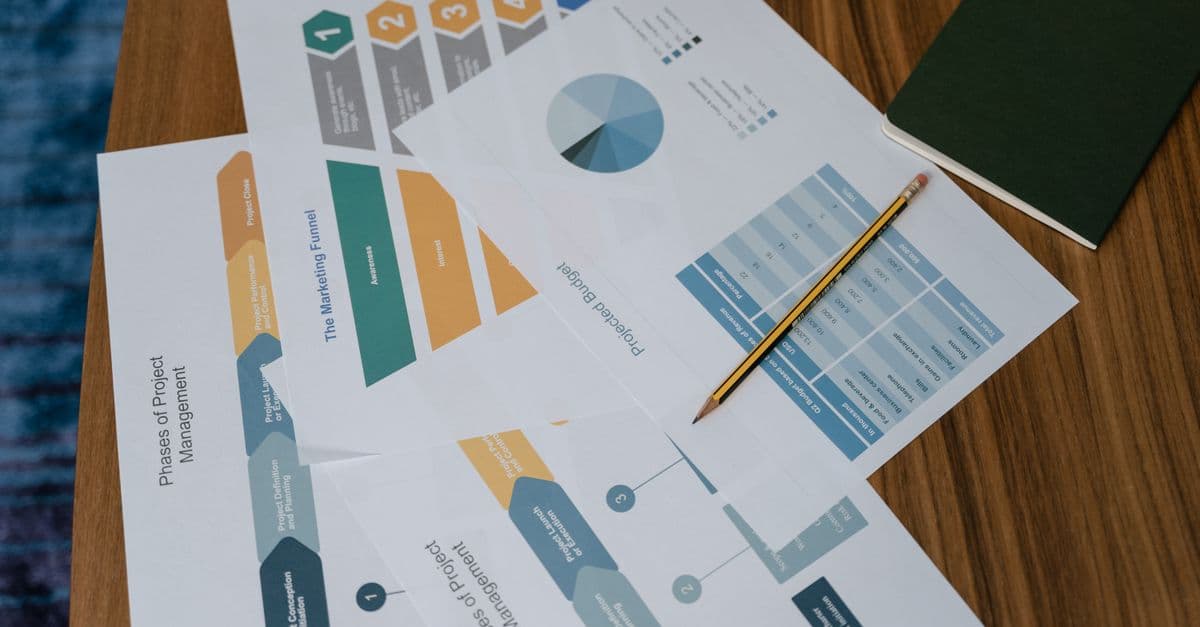
You can diagnose exactly where prospects drop off in your funnel, quantify the impact of each bottleneck, and receive prioritized optimization strategies backed by conversion metrics. This skill analyzes your funnel architecture, identifies friction points, and delivers actionable experiments (A/B tests, copy changes, UX improvements) ranked by expected revenue impact.

This skill helps you develop comprehensive social media strategies tailored to your audience demographics and platform dynamics. You'll optimize posting schedules, identify high-performing content themes, and create actionable engagement plans that drive measurable growth and community building across all major social platforms.

You create structured guerrilla marketing campaigns that deliver outsized impact without big budgets. The skill designs tactics from concept through execution plan, identifies and mitigates legal and reputational risks, and stress-tests ideas for feasibility before you invest time or money. You get actionable playbooks with timelines, resource estimates, contingency plans, and success metrics.

Create compelling brand names that align with your market positioning, target audience, and business goals. You'll receive 15-25 strategically-sound candidates, each with linguistic analysis, competitive positioning assessment, and cultural implications reviewed. Every recommendation includes domain availability status, trademark conflict identification, and actionable launch strategy guidance.

You'll architect multi-stage nurture campaigns that automatically segment audiences, personalize messaging, and optimize send timing based on behavior and engagement data. The skill generates complete campaign strategies with A/B testing frameworks, content variations, and actionable analytics dashboards. Get data-driven recommendations to improve open rates, click-through rates, and conversion metrics at every stage.

Analyze historical customer journeys across multiple touchpoints to determine each channel's true ROI contribution. You can model different attribution approaches, identify the most effective conversion paths, and generate data-driven recommendations for reallocating programmatic media budgets to maximize return on ad spend.

Design and validate multi-touch attribution models that credit each touchpoint in a customer's journey based on their actual contribution to conversions. You'll develop models using various methodologies (first-touch, last-touch, linear, time-decay, custom algorithms), test them against your data patterns, and generate detailed attribution reports that reveal which channels and campaigns truly drive revenue. This skill transforms raw conversion data into actionable insights about your marketing effectiveness.

You can design sophisticated PMP deal structures tailored to specific advertiser needs, audience segments, and performance targets. This skill analyzes deal parameters—floor pricing, impression volume, audience data, and performance history—to recommend optimization strategies that maximize yield while maintaining advertiser satisfaction. You'll get detailed deal frameworks with pricing tiers, audience definitions, and performance benchmarks.