


Event Promotion Campaign Strategist
Build Data-Driven Sports Event Promotion Campaigns Across Multiple Channels
What You Can Do
You'll develop comprehensive sports event promotion strategies that segment your audience, craft targeted messaging, and measure ROI across all marketing channels. The skill creates detailed campaign frameworks that balance social media, email, traditional media, and strategic partnerships. The result is a cohesive promotion plan that maximizes ticket sales and attendance while optimizing marketing spend.
Features
Break your audience into demographic, psychographic, and behavioral segments with persona profiles for precise targeting
Plan coordinated campaigns across social media, email, paid advertising, traditional media, and local partnerships
Create channel-specific and segment-specific messaging that resonates with each audience group
Build structured week-by-week promotion schedules with activities, milestones, and key dates leading to event day
Set measurable goals for reach, engagement, conversion rates, ticket sales, and revenue impact
Distribute marketing budget optimally across channels based on audience reach and conversion efficiency
Evaluate competing events and identify market gaps, differentiation opportunities, and positioning strategies
Example Output
Example 1: Audience Segmentation Matrix
| Segment | Demographics | Primary Channel | Message Focus | Expected Conversion |
|---|---|---|---|---|
| College Students | 18-24, urban, digitally native | TikTok, Instagram | Social proof, limited tickets, group discounts | 8-12% |
| Alumni Network | 25-55, disposable income, nostalgic | Email, Facebook | Tradition, exclusive access, networking | 15-18% |
| Casual Fans | All ages, family-oriented | Local radio, partnerships, email | Family atmosphere, entertainment value, parking info | 5-7% |
Example 2: Campaign Timeline Snippet
Week 8 (Launch Phase): Teaser campaign on TikTok and Instagram, press release to local media. Week 6: Email to alumni list, paid social ads targeting Gen Z. Week 4: Partnership activations, influencer posts. Week 2: Last-minute urgency messaging, group discounts highlighted.
Example 3: ROI Dashboard
Total Budget: $50,000. Target Reach: 500,000. Conversion Rate Goal: 4% (2,000 tickets). Avg Ticket Price: $75. Revenue Target: $150,000. ROI: 3x. Key Metrics: Cost per ticket acquired, email open rates by segment, social media engagement by channel.
What's Included
- Comprehensive Strategy Document: Full promotion strategy with goals, target metrics, channel priorities, and timeline
- Audience Segmentation Matrix: Detailed breakdown of target audiences with personas, behaviors, preferences, and messaging angles
- Channel-Specific Messaging Framework: Tailored creative direction and key messages for each channel and audience segment
- Week-by-Week Campaign Timeline: Structured promotion schedule with specific activities, content topics, and launch dates
- ROI Dashboard Template: KPI definitions, success metrics, conversion tracking, and revenue impact measurement framework
- Budget Allocation Recommendations: Channel investment breakdown with percentage allocations and expected reach per channel
Who It's For
- Sports Marketing Manager
- Event Promotions Director
- Festival and Entertainment Producer
- Sponsorship Manager
Best For
- Planning comprehensive multi-channel event promotion campaigns
- Optimizing marketing budget allocation across channels
- Creating data-driven audience segmentation strategies
- Developing event-specific messaging frameworks
- Establishing measurable promotion success metrics
You might also like
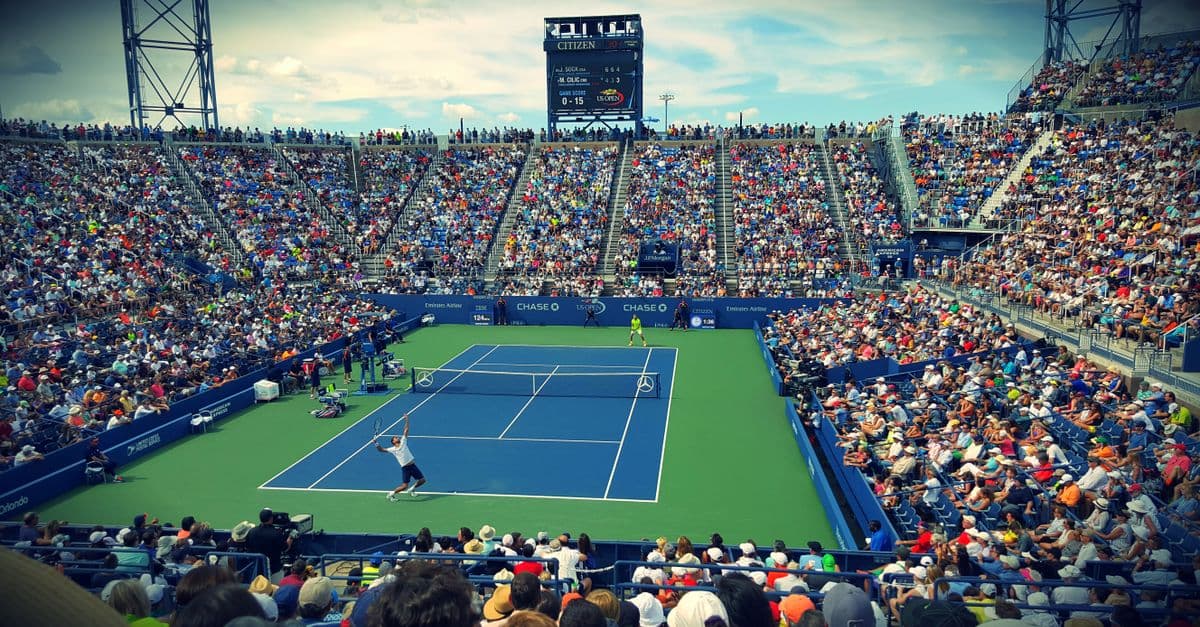
You can develop comprehensive promotion campaigns for sports events that align stakeholders, optimize budgets, and measurably track return on investment. Get structured strategy documents, budget allocation frameworks, ROI forecasts, and performance dashboards that turn promotion budgets into predictable results.
 by pr-pm
Create and manage systematic recruitment funnels that identify, evaluate, and develop athlete talent in sync with your club's goals and infrastructure capacity. You'll build data-driven talent evaluation frameworks, design multi-stage recruitment workflows, and establish metrics to track pipeline health and conversion rates.
by pr-pm
You can generate comprehensive licensing agreements tailored to sports partnerships, automatically calculate royalty structures based on various metrics, and verify compliance with jurisdiction-specific regulations. This skill ensures your licensing documents are legally sound, financially transparent, and audit-ready.
by pr-pm
You can develop comprehensive multi-year strategic plans for your athletic department, ensuring alignment across all programs. Claude helps you navigate state athletic regulations and compliance requirements, reducing administrative burden. You coordinate complex multi-sport schedules, budgets, facility usage, and staffing across your entire athletic program.
by pr-pm
Create detailed player evaluation reports with structured comparative analysis, performance metrics synthesis, and actionable scouting recommendations. Integrate player statistics, video observations, and contextual factors into a cohesive decision framework that supports talent evaluation and recruitment strategy.
by pr-pm
You can analyze salary cap scenarios, evaluate contract structures, and identify roster optimization opportunities across different spending strategies. The skill helps you model trade scenarios, compare multi-year financial impacts, and ensure roster construction aligns with your competitive window. You'll receive detailed breakdowns of cap constraints, contract flexibility, and strategic spending recommendations.
by pr-pm
You get clause-by-clause contract analysis that identifies hidden leverage points, market inequities, and risk exposure specific to your sport and position. Claude benchmarks your deal against comparable contracts, flags unfavorable terms, and develops a negotiation roadmap that protects your interests while maximizing value.
by pr-pm
You get expert analysis of endorsement opportunities, detailed contract structuring advice, and negotiation strategies tailored to your athlete's market position. The skill evaluates deal terms against market comparables, identifies hidden risks, aligns brand partnerships with career goals, and provides actionable recommendations to maximize revenue while protecting your client's interests.
by pr-pm