

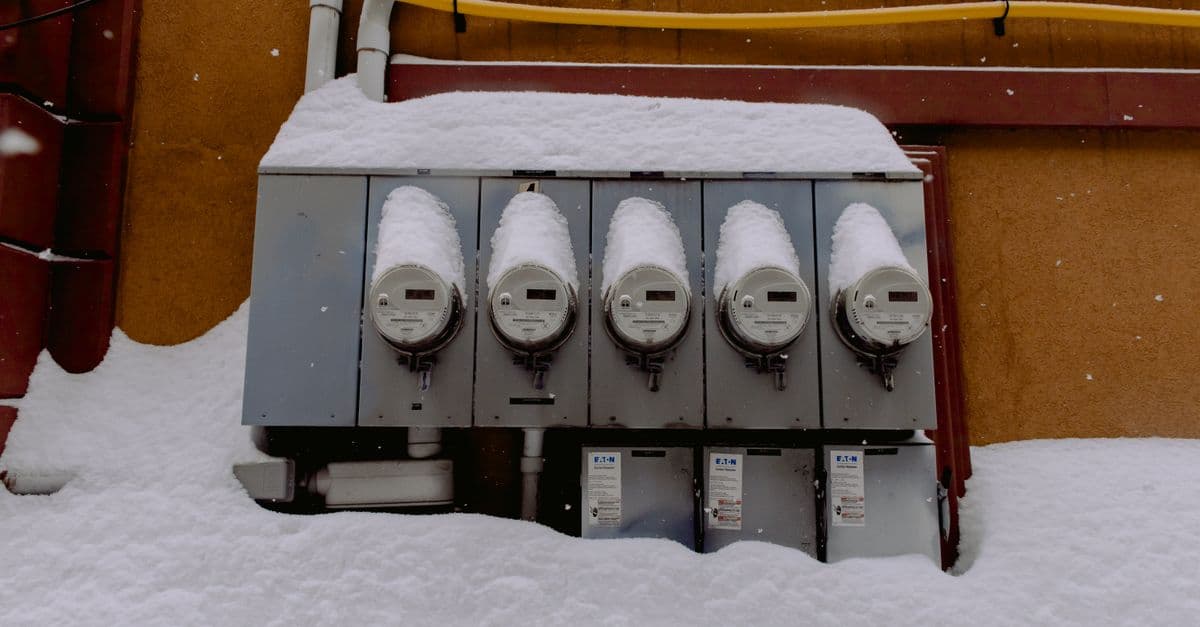
Energy Efficiency Program Design Framework
Design energy efficiency programs with validated savings projections and implementation roadmaps
What You Can Do
You can structure energy efficiency programs from baseline establishment through full implementation planning. The framework guides you through savings calculation methodologies, financial modeling, stakeholder engagement strategies, and sector-specific program design. You'll produce defensible programs that integrate market incentives, participant behavior analysis, operational constraints, and regulatory requirements into unified implementation strategies that achieve measurable savings targets.
Features
Develop rigorous methodologies for measuring energy consumption baselines and quantifying achievable efficiency savings across customer segments
Build detailed financial cases showing program ROI, participant incentive structures, and utility cost recovery mechanisms
Apply pre-built frameworks for commercial, residential, industrial, and municipal programs tailored to market conditions
Create business cases and engagement roadmaps that secure buy-in from utility leadership, regulators, participants, and vendors
Produce phased implementation timelines with milestone definitions, resource requirements, and risk mitigation strategies
Define KPIs, savings tracking methodologies, and evaluation protocols for regulatory compliance and program optimization
Embed programs within broader energy strategy and grid management objectives
Generate program design documents meeting utility commission filing requirements and shareholder reporting standards
Example Output
Example 1: Commercial Program Design
- Sector focus: Office buildings 5,000-50,000 sq ft
- Baseline consumption: 12-15 kWh/sq ft/year
- Achievable savings: 15-25% (18-37.5 kWh/sq ft/year)
- Key measures: HVAC optimization, lighting retrofit, controls commissioning
- Incentive structure: $0.40/kWh first-year savings
- Estimated participation: 35% of eligible buildings by year 3
- Program cost: $4.2M over 3 years | ROI: 2.8x
Example 2: Residential Weatherization Program
- Target: Single-family homes in cold climate
- Baseline: 8,500 kWh/year heating
- Savings potential: 20-30% (1,700-2,550 kWh/year)
- Primary measures: Air sealing, insulation, heat pump conversion
- Incentive: $2,500 rebate + 0% financing
- Implementation phases: Pilot (100 homes) → Expansion (500/year)
- Participant acquisition cost: $850 | Lifetime savings per home: $12,400
What's Included
- SKILL.md instruction file: Complete framework with step-by-step program design methodology
- Program design templates: Sector-specific worksheets for commercial, residential, industrial, and municipal programs
- Baseline & savings calculation framework: Methodology guide and spreadsheet models for establishing baselines and quantifying savings
- Financial modeling toolkit: Cost-benefit analysis templates, incentive structure calculators, and ROI modeling tools
- Stakeholder engagement checklist: Stakeholder mapping matrix, business case narrative templates, and regulatory filing checklists
Who It's For
- Energy efficiency program managers — Designing new utility or municipal efficiency portfolios
- Energy engineers — Developing sector-specific programs for commercial, residential, or industrial customers
- Utility planners — Integrating demand-side management into integrated resource planning
- Regulatory affairs specialists — Preparing program designs for utility commission filings and shareholder presentations
- Municipal sustainability directors — Creating municipal energy efficiency initiatives and financing strategies
Best For
- Developing comprehensive energy efficiency program designs from baseline to implementation
- Creating defensible savings projections and financial business cases for regulatory review
- Designing sector-specific programs tailored to commercial, residential, industrial, or municipal markets
- Building stakeholder alignment strategies and business case narratives for leadership approval
- Establishing performance metrics, evaluation frameworks, and compliance documentation for utility programs
You might also like

You can search Wikidata using four complementary methods: keyword search via the Action API for label-based lookups, semantic/hybrid search through the Vector Database for fuzzy concept matching, direct entity retrieval via Special:EntityData for instant JSON data, and SPARQL queries through WDQS for complex graph relationships and reporting. Each method is optimized for different use cases—from quick entity lookups to multi-table data analysis across millions of linked facts.
 by diegosouzapw
You can analyze renewable energy generation patterns to determine safe penetration levels, forecast real-time grid impacts from variable wind and solar resources, identify transmission constraints limiting renewable export, and design operational procedures that balance stability requirements with renewable integration objectives. The skill helps you quantify grid effects, calculate ramping requirements, and evaluate infrastructure investments needed to support high renewable penetration scenarios.
by diegosouzapw
You can rapidly diagnose medium-voltage distribution faults by analyzing protective device coordination sequences, load flow impacts, and field crew reports within Claude. The skill helps you distinguish between transient and permanent faults, identify whether issues stem from equipment failure or external factors, and validate remediation strategies before implementing risky switching operations. This accelerates your analytical phase so field resources can be deployed efficiently and switching decisions are made with confidence.
by diegosouzapw
You can input grid state data—current generation mix, transmission constraints, demand forecasts, and unit availability—and Claude analyzes trade-offs between economic dispatch and reliability, recommending optimal generator scheduling and constraint management strategies. The skill helps you identify dispatch opportunities missed in manual review, evaluate whether to commit additional units or curtail load, and communicate dispatch rationale to operators and management during challenging conditions like high renewable penetration or unexpected outages.
by diegosouzapw
You can systematically analyze competitors across feature parity, positioning strategies, pricing models, and interaction patterns. This skill transforms scattered competitive intelligence into a working matrix that reveals differentiation gaps, underserved segments, and strategic opportunities—helping you prioritize roadmap decisions and justify go-to-market positioning with data.
by diegosouzapw
You can process complex multivariate utility datasets to identify non-linear relationships between weather, seasonality, calendar effects, and electricity demand. The skill generates calibrated probabilistic forecasts with confidence intervals (10th, 50th, 90th percentiles) that support risk-aware dispatch decisions, unit commitment planning, and reserve procurement—while flagging anomalies and structural shifts in consumption behavior for manual investigation.
by diegosouzapw
You can develop complete cost-of-service analyses that allocate utility operating expenses across customer classes based on NARUC cost causation methodology. The skill guides you through reclassifying costs by function (generation, transmission, distribution, customer service), selecting defensible allocation drivers tied to actual cost causation, and building rate structures that withstand regulatory scrutiny and legal challenge.
by diegosouzapw
This skill automates the creation of topic files in your .notes/ directory with pre-formatted YAML frontmatter and section templates. You provide a topic name, and Claude generates a properly named file with consistent metadata (description, keywords, timestamps) and ready-to-use section headers. This eliminates manual setup time and ensures all your knowledge management files follow the same organizational structure.
by diegosouzapw