


Payload Instrumentation Design & Telemetry Architecture
Design aerospace payload sensors and telemetry systems

What You Can Do
You can design complete sensor packages and telemetry architectures for aerospace payloads. This skill helps you specify sensors, optimize data acquisition systems, plan bandwidth budgets, and ensure reliability for space missions. Whether you're building a satellite payload, CubeSat, high-altitude balloon, or atmospheric instrument, you'll get detailed sensor selections, architecture diagrams, data rate calculations, and power budget analysis.
Features
Choose appropriate sensors based on measurement requirements, accuracy, and environmental constraints
Plan hierarchical data flow, signal conditioning, and transmission protocols for mission needs
Calculate payload data rates, identify compression opportunities, and optimize downlink budgets
Estimate power consumption for instruments and establish constraints for spacecraft power allocation
Design filtering, amplification, and conversion strategies for analog and digital signals
Identify critical sensors and plan backup strategies for mission-critical measurements
Generate detailed electrical, mechanical, and data interface requirements for sensors and subsystems
Verify sensor specifications against mission thermal, radiation, vibration, and environmental constraints
Example Output
Sensor Package Specification for Earth Observation Payload:
- RGB Camera: 12 MP, 0.6 m resolution, 450–900 nm spectral range, 50W peak power
- Thermal IR Sensor: 320×256 array, 8–14 μm band, ±2°C accuracy, 15W peak power
- GPS/GNSS Receiver: Quad-constellation, ±5 m accuracy, 0.5W continuous
Telemetry Architecture:
- Primary link: S-band downlink at 20 Mbps, turbo-code forward error correction
- Data flow: Sensor → Formatter → Compression (JPEG 2000) → Encryption → Modulator
- Data rate budget: Raw ~150 Mbps → Compressed 25 Mbps → Link 20 Mbps (80% efficiency)
Power Budget Summary: Instruments: 77W peak | Spacecraft bus: 30W | Total: 107W | Solar array: 180W minimum | Battery: 20 Ah Li-ion
What's Included
- SKILL.md: Complete payload instrumentation design methodology and decision trees
- Sensor Selection Worksheet: Spreadsheet template for comparing sensors against mission requirements
- Telemetry Architecture Template: Block diagrams and data flow design framework
- Power Budget Calculator: Spreadsheet for estimating instrument and subsystem power consumption
- Data Rate Analysis Checklist: Workflow for calculating payload data rates and identifying compression opportunities
- Interface Specification Template: Electrical, mechanical, and protocol requirements for sensor connections
- Environmental Requirements Verification: Checklist for validating sensors against thermal, radiation, and vibration limits
Who It's For
- Payload engineers designing sensors for satellites or deep-space missions
- CubeSat developers and small-satellite mission planners
- Aerospace systems engineers optimizing instrument suites
- High-altitude balloon and atmospheric research teams
- Avionics and sensor integration specialists
Best For
- Selecting and specifying sensor packages for new missions
- Architecting telemetry systems from science requirements to downlink
- Optimizing data rates and bandwidth under power constraints
- Power budgeting and resource allocation for instrument suites
- Verifying sensor compatibility with environmental and mission constraints
You might also like

You can analyze performance metrics from your applications to identify bottlenecks, automatically generate load test scripts tailored to your system architecture, and create detailed performance reports with actionable optimization recommendations. This skill processes performance data from various monitoring tools and transforms it into load testing strategies and optimization plans that your team can execute immediately.

This skill enables you to automatically audit your websites against compliance standards and detect deviations from expected baselines. You can track regulatory requirements, identify policy violations, and generate compliance reports with actionable remediation steps. Monitor multiple sites simultaneously and maintain detailed audit trails for compliance documentation.
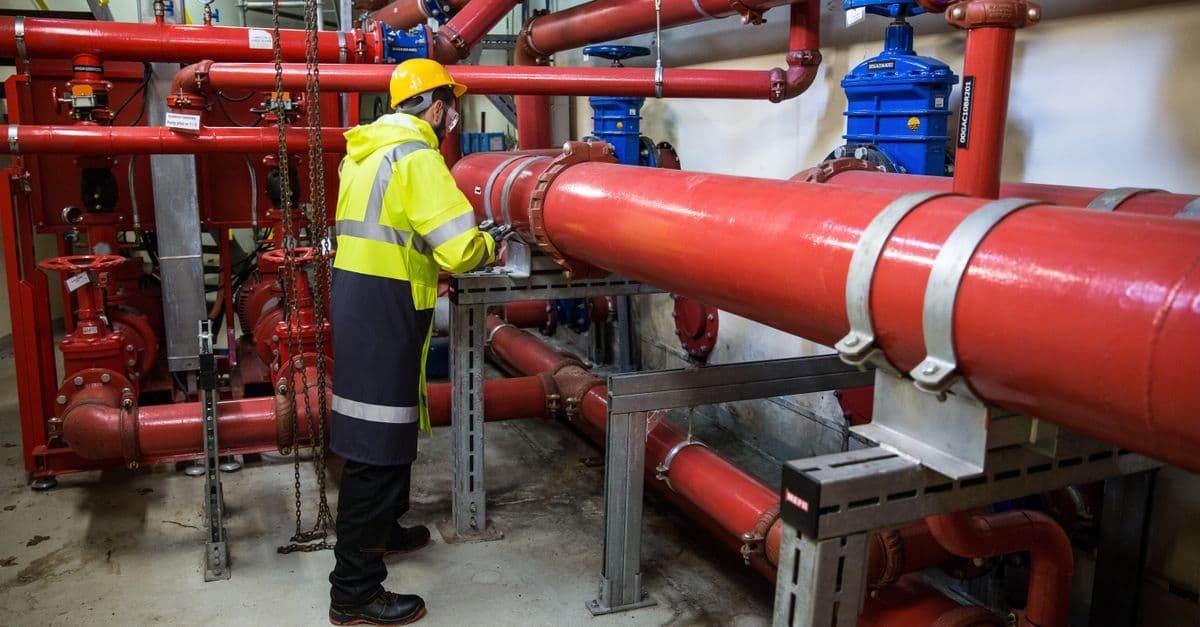
Analyze chemical processes systematically to identify hazards, assess risks, and generate safety recommendations. You can perform HAZOP analyses, evaluate compliance with industry standards, conduct root-cause analysis of incidents, and develop emergency response procedures. The skill guides you through structured safety reviews that reduce the likelihood of accidents and regulatory violations.

You'll develop systematic approaches to injectable formulation design, from API selection through sterilization strategy. Claude helps you troubleshoot failed batches by analyzing root causes, recommends regulatory pathways (505(b)(2), ANDA, NDA), and provides science-backed solutions for stability, compatibility, and manufacturability challenges.

You'll design maintainable, scalable test automation frameworks tailored to your tech stack and team. Claude helps you diagnose and fix flaky tests by identifying root causes (race conditions, async issues, data isolation problems) and providing targeted solutions. You'll establish testing strategies that reduce debugging time, improve CI/CD reliability, and create lasting documentation your team can follow.

You can conduct comprehensive hazard analyses for chemical processes using industry-standard methodologies like HAZOP and LOPA. The skill helps you assess risks quantitatively, identify control gaps, design engineered safeguards, and generate formal documentation for regulatory compliance and process safety management.

Claude analyzes your code diffs and generates standardized commit messages that follow the Conventional Commits specification. The skill automatically determines the correct commit type, scope, and description based on the changes you've made, ensuring your messages are parseable by automation tools while remaining human-readable for code reviewers.
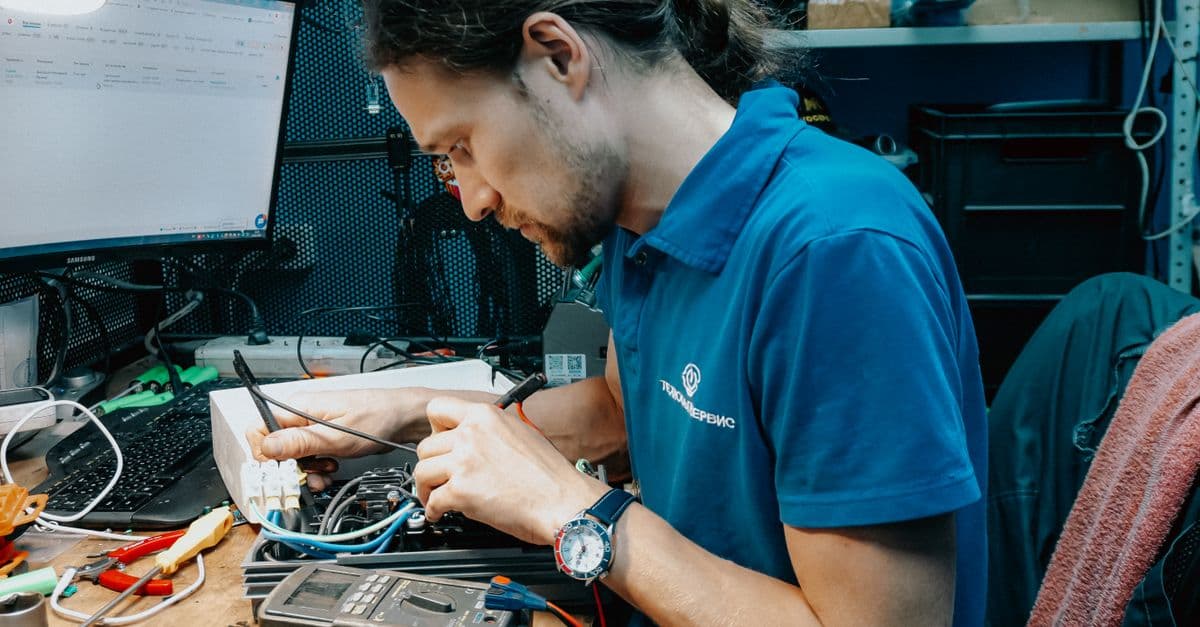
Rapidly analyze firmware logs and diagnose hardware issues that cause device failures, connectivity problems, and performance degradation. You'll identify root causes from stack traces, crash dumps, and sensor data, then generate specific optimization recommendations. This skill transforms raw device logs into actionable debugging plans that reduce time-to-resolution from hours to minutes.