


Educational Program Design for Development Contexts
Design equitable education programs for resource-constrained, culturally diverse communities
 by jkfncInternational Development & DiplomacyDevelopmentInternational Development SpecialistEducation
What You Can Do
You can create comprehensive, evidence-based education programs tailored to low-resource development contexts, integrating equity analysis and cultural adaptation strategies from the start. Claude helps you systematically address constraints while building sustainable frameworks that align with local priorities, available resources, and proven educational outcomes. The skill guides you through stakeholder engagement, curriculum design, and monitoring systems that ensure programs remain effective and equitable across diverse learning environments.
Features
Leverage research-backed program design methodologies proven effective in development contexts, including logic models, outcomes mapping, and theory-of-change development tailored to resource-constrained settings.
Systematically assess and address gender, disability, language, and socioeconomic barriers built into program design from the start, with targeted strategies to ensure inclusive learning access.
Adapt educational content, teaching methods, and assessment approaches to align with local languages, values, knowledge systems, and community priorities without compromising learning quality.
Design scalable programs that maximize impact within budget and material constraints, including low-tech alternatives, community resource mobilization, and cost-effective delivery models.
Build collaborative frameworks that meaningfully involve teachers, parents, community leaders, and learners in program design, implementation, and adaptation for greater ownership and sustainability.
Create practical M&E frameworks using simple, locally-appropriate data collection methods that measure both learning outcomes and program equity, sustainability, and contextual fit.
Evaluate financial, institutional, and social sustainability of programs, with strategies to transition from donor funding to locally-resourced implementation and community-led management.
Example Output
Example 1: Secondary Math Program for Rural Kenya
- Program goal: Improve numeracy and financial literacy for 500+ secondary students in 8 rural schools
- Evidence base: Active learning approaches, contextualized math applications to farming and trade
- Equity strategies: Gender parity scholarships, disability accommodations (Braille, sign language), mother-tongue support in Swahili and Kikuyu
- Resource plan: Train 24 existing teachers (no additional cost), adapt existing textbooks, use mobile SMS for practice problems
- Sustainability: School annual budget contribution ($2,000/yr), community fee-for-service support, government partnership for teacher time
- M&E: Quarterly school learning assessments, equity dashboard tracking girl completion and performance rates, annual community satisfaction surveys
Example 2: Early Literacy Program Adaptation for Fragile Context
- Original program (global standard) → adapted for 5 different languages in country with ongoing conflict
- Curriculum: Local storytelling traditions integrated, phonics matched to sound systems, assessment in mother tongue, conflict-sensitive content
- Teacher training: 30-hour workshop with local language facilitators, peer mentoring model for sustainability, trauma-informed pedagogy
- Learning materials: Community-created picture books, locally sourced flashcards, teacher guides in 3 reading levels, materials durable for temporary classrooms
- Equity: Special support for displaced and non-fluent students, teacher strategies for mixed-ability classrooms
Example 3: Program Sustainability Transition Plan (Years 1-5)
- Year 1-2: Donor-funded comprehensive service delivery with international consultant support
- Year 3-4: School/government co-funding model, reduced consultant input, national staff leading
- Year 5+: Fully local leadership and budget, alumni mentor network, progressive parent contribution (scaled to income), local NGO partnership managing operations
What's Included
- Program Design Canvas: Structured template to map your program's context, goals, target learners, evidence base, implementation strategy, and sustainability plan all in one visual document for stakeholder alignment.
- Equity Audit Checklist: Comprehensive assessment tool to evaluate program design for barriers and bias across gender, disability, language, socioeconomic status, and cultural dimensions with remediation strategies.
- Cultural Context Profile Guide: Framework for gathering and analyzing local education context including language, values, existing resources, community priorities, and implementation constraints to inform all design decisions.
- Resource Constraint Solver: Tools and templates for designing high-quality programs within realistic budget and material limits, including low-tech alternatives, shared resources, and community-mobilization strategies.
- Monitoring & Evaluation Toolkit: Simple M&E system templates including indicator definitions, data collection forms, analysis guides, and equity-disaggregated reporting dashboards designed for low-resource settings.
- Stakeholder Engagement Strategy Template: Structured approach to design collaborative processes that meaningfully involve teachers, parents, learners, and community leaders in program co-design and adaptation cycles.
Who It's For
- Education Program Managers at NGOs and International Development Organizations
- Government Education Officials and Policy Advisors in Developing Countries
- Curriculum Developers and Instructional Designers Serving Low-Resource Schools
- School Leaders and Administrators in Resource-Constrained Communities
- Education Consultants and Development Specialists Designing Sustainable Programs
Best For
- Designing new education programs for resource-constrained, culturally diverse development contexts
- Adapting global education programs to align with local languages, cultures, and available resources
- Conducting equity audits of existing programs to identify and address barriers for marginalized learners
- Building monitoring and evaluation systems that work with limited data collection infrastructure
- Creating sustainability strategies to transition programs from donor funding to locally-resourced models
You might also like

You can design optimized blast patterns by laying out drill hole grids with calculated spacing and burden values, then validate charge calculations against permit limits and vibration thresholds. The skill verifies regulatory compliance by assessing peak particle velocity (PPV), calculating blast radiuses, and confirming adherence to environmental permit conditions—all while generating standardized blast documentation ready for review.
by jkfnc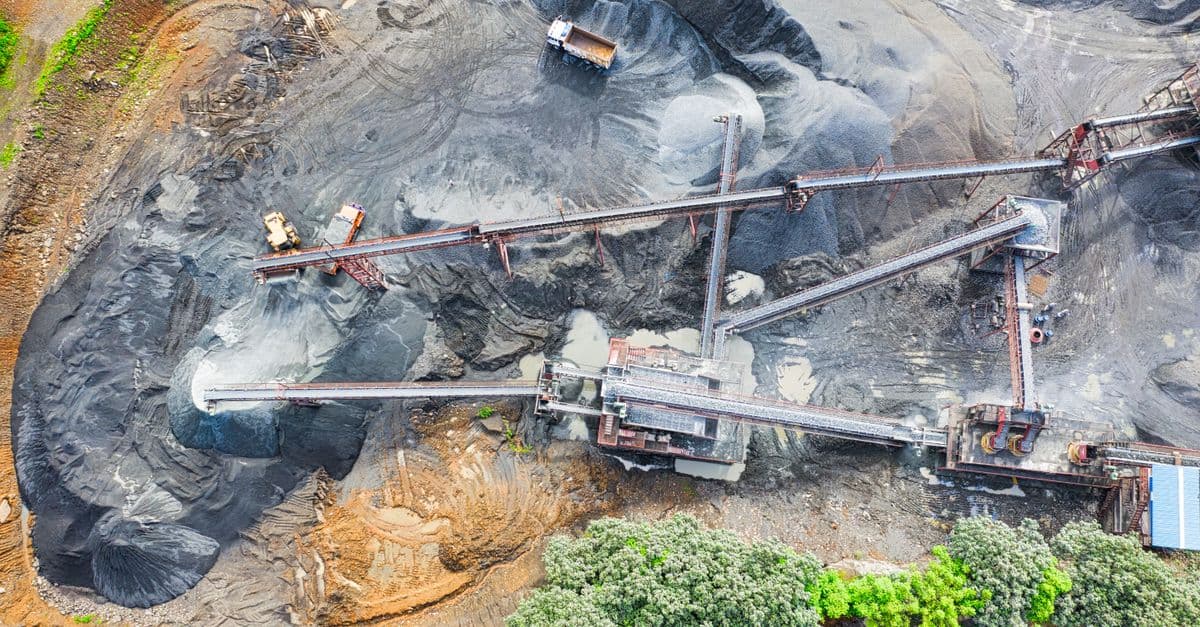
You can transform raw water quality lab results into comprehensive, regulatory-aligned compliance reports. This skill analyzes chemical parameters (pH, metals concentration, sulfates, TSS), generates trend analysis, flags non-compliance incidents, and produces stakeholder communications—automating the entire assessment workflow while ensuring accuracy and legal compliance for NPDES permits, state discharge standards, and permit renewal applications.
by jkfnc
You can design comprehensive, multi-source data collection systems that integrate quality assurance and field documentation for development projects. The skill helps you develop sampling strategies tailored to your project scope, create standardized data collection tools, and establish quality protocols that ensure reliable M&E outcomes. You'll produce complete frameworks that balance data rigor with practical field implementation constraints.
by jkfnc
This skill analyzes field data from humanitarian operations to forecast supply shortages before they occur, optimize distribution routes across complex geographies, and coordinate inventory across multiple sites. You provide operational data, and Claude delivers actionable logistics recommendations that reduce waste, improve response times, and ensure critical supplies reach those who need them most.
by jkfnc
You can diagnose underperforming leaching circuits by analyzing real-time metrics (temperature, pH, solid/liquid ratio, reagent consumption, aeration) against hydrometallurgical first principles. The skill predicts how parameter changes affect metal recovery rates and reagent efficiency, then delivers systematic optimization recommendations to close performance gaps, reduce reagent waste, and accelerate circuit commissioning or troubleshooting timelines.
by jkfnc
Upload or paste real-time ventilation monitoring data—temperature readings, gas concentrations (CO₂, CH₄, O₂), airflow rates, and pressure differentials—and Claude analyzes patterns to diagnose specific problems like fan failures, duct blockages, recirculation zones, or inadequate fresh air distribution. You get a structured diagnostic report with identified root causes and prioritized corrective actions, ready to present to your team or regulatory inspectors.
by jkfnc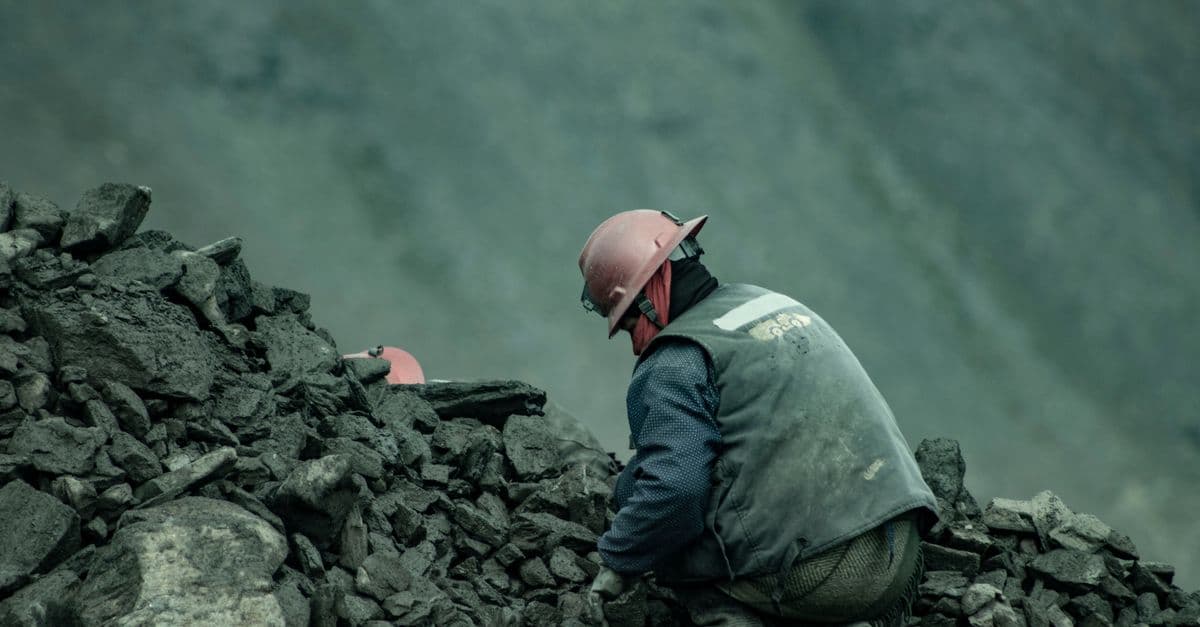
You can rapidly analyze complex ore processing datasets to identify performance bottlenecks across flotation, leaching, smelting, and roasting circuits. Claude structures your operational data into diagnostic frameworks, interprets assay results in context of mineralogy and chemistry, and designs targeted experiments with predicted outcomes. You'll generate operator guides, troubleshooting trees, and technical documentation grounded in process chemistry—accelerating root-cause analysis and flowsheet optimization.
by jkfnc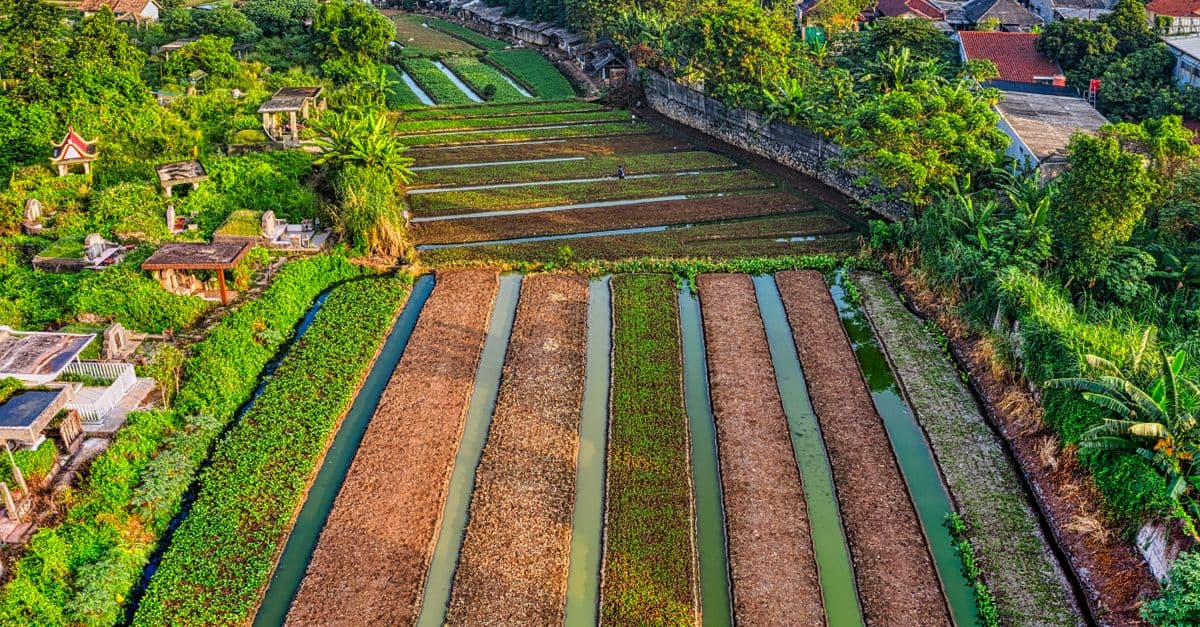
Create comprehensive agricultural development interventions tailored to specific communities by integrating local agro-ecological conditions, stakeholder expertise, and monitoring frameworks. You'll develop implementation roadmaps that combine research evidence with practical feasibility assessments, ensuring interventions address real farmer needs while building capacity for long-term sustainability.
by jkfnc