

Ecosystem Integrity Assessment Analyzer
Synthesize ecosystem monitoring data into rigorous integrity assessments
What You Can Do
You can systematically evaluate ecosystem health across structure, function, and resilience dimensions by organizing heterogeneous monitoring data into ecologically meaningful categories. The skill helps you identify species functional redundancy and gaps, map causal pathways between stressors and biological responses, and generate severity classifications supported by multivariate reasoning—producing assessments that withstand scientific and regulatory scrutiny.
Features
Structure biotic and abiotic measurements into coherent ecological categories for systematic analysis
Assess species complementarity, redundancy, and functional gaps in community assemblages
Document causal links between anthropogenic pressures and biological outcomes
Generate defensible severity ratings (e.g., degraded, impaired, intact) with supporting evidence
Integrate field surveys, water quality, habitat metrics, and species occurrence data into unified assessments
Produce actionable restoration priorities and conservation targets derived from assessment findings
Create audit trails supporting environmental permitting, ESA consultations, and wetland delineations
Example Output
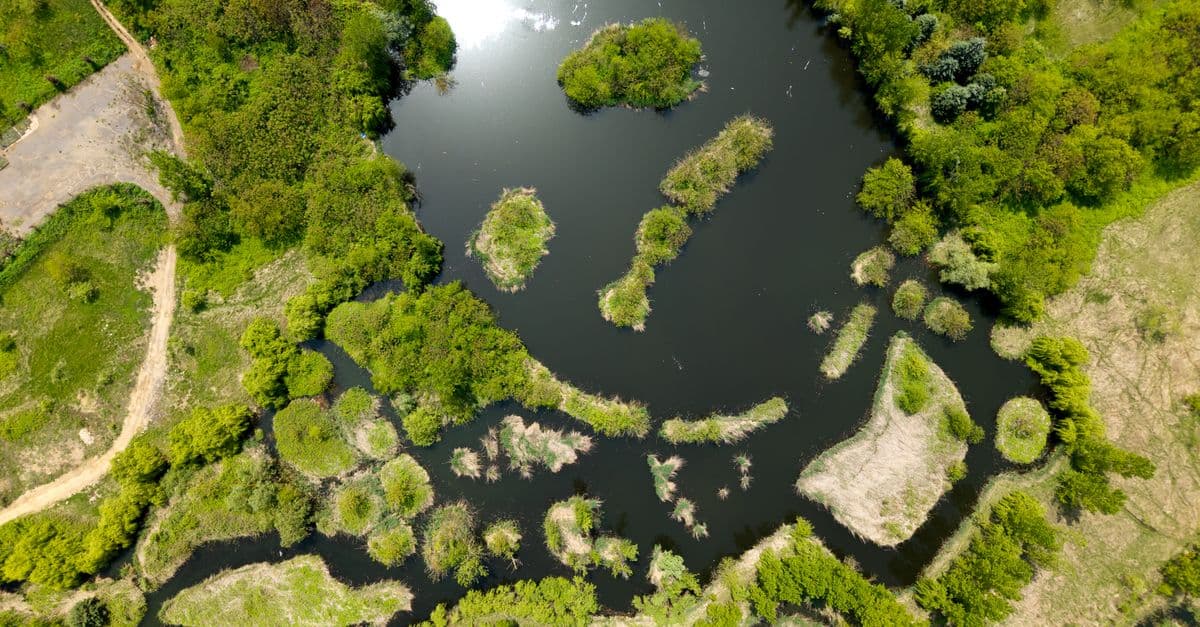
Example 1: Wetland Integrity Assessment
- Structure: Native plant cover 45% (target: 70%); invasive Phragmites 28% (threshold: <15%)
- Function: Macroinvertebrate Index of Biotic Integrity 4.2/10 (impaired); nutrient cycling limited by high sulfide accumulation
- Resilience: Seed bank depleted; hydrologic connectivity fragmented by berms
- Integrity Class: Degraded — Requires invasive removal + hydrologic restoration within 3-year timeline
Example 2: Stream Ecosystem Assessment
- Biotic: Fish IBI 3/10; benthic macroinvertebrates dominated by pollution-tolerant taxa; native mussel absent
- Abiotic: Temperature 24°C (exceeds 20°C threshold); dissolved oxygen 5.2 mg/L (borderline); substrate 60% fine sediment
- Stressor pathway: Urban runoff → temperature elevation + siltation → cold-water specialist loss → simplified food web
- Integrity Class: Impaired — Priority: Riparian shade restoration; secondary: headwater protection
What's Included
- SKILL.md: Complete framework for ecosystem integrity assessment methodology
- Data Organization Template: Structure for sorting biotic, abiotic, and stressor observations into assessment categories
- Functional Diversity Checklist: Guidance on evaluating species complementarity, redundancy, and keystone species
- Stressor-Response Matrix: Framework for documenting causal pathways between pressures and ecological responses
- Integrity Classification Rubric: Multi-criteria decision matrix for assigning defensible severity ratings
Who It's For
- Ecologists and environmental scientists conducting baseline or longitudinal ecosystem surveys
- Conservation planners prioritizing restoration projects and habitat management actions
- Environmental consultants preparing impact assessments and wetland/stream delineations for permitting
- Regulatory specialists documenting compliance with ESA, Clean Water Act, and state environmental standards
- Restoration project managers setting success criteria and monitoring post-implementation effectiveness
Best For
- Synthesizing heterogeneous field monitoring data into cohesive ecosystem health evaluations
- Generating severity classifications (degraded/impaired/intact) supported by multivariate reasoning
- Documenting causal links between anthropogenic stressors and biological responses
- Developing restoration targets and management priorities grounded in ecological integrity principles
- Creating defensible assessments for environmental permitting, consulting reports, and regulatory submissions
You might also like

You can structure comprehensive risk assessments for contaminated sites by integrating hazard identification, dose-response analysis, exposure quantification, and risk characterization into defensible narratives. This skill helps you organize complex toxicological datasets, identify critical uncertainties, apply appropriate safety factors, and communicate probabilistic outcomes to regulators, remediation teams, and stakeholders. The framework ensures your conclusions meet regulatory standards for RCRA, CERCLA, and state environmental programs.
 by donchitos
Process multi-parameter water quality datasets (dissolved oxygen, nutrients, pathogens, heavy metals, turbidity, pH, conductivity) to identify contamination patterns, assess ecological risk, and correlate disparate data streams. Generate comprehensive technical reports that support regulatory decisions, 303(d) listing determinations, remediation planning, and stakeholder communication while accounting for seasonal variations, background conditions, and site-specific thresholds.
by donchitos
You can convert raw water quality test results into comprehensive health risk assessments that connect detected contaminants to specific health endpoints and vulnerable populations. The skill identifies probable exposure pathways, prioritizes intervention urgency, and recommends proportionate remediation strategies grounded in epidemiological evidence and regulatory standards. This enables you to communicate complex contamination findings to diverse stakeholders—from technical regulators to community residents—with clear, actionable risk determinations.
by donchitos
You can rapidly ingest raw monitoring data from multiple air quality stations, validate instrument quality and detect data gaps, calculate AQI and NAAQS compliance metrics, identify pollution episodes and exceedance events, and generate scientifically rigorous technical reports suitable for EPA, state regulators, and local air districts. The skill handles the computational complexity of regulatory air quality analysis while ensuring defensibility for environmental compliance projects.
by donchitos
This skill generates detailed, role-specific launch readiness checklists that scan your codebase, content systems, and infrastructure for common launch blockers. It automatically detects code quality issues (TODOs, debug statements, placeholders), validates build health, checks content calendars and store readiness, and creates structured sign-off documents for each department. You can run it in dry-run mode to preview the checklist or execute it to generate official pre-launch documentation with approval tracking.
by donchitos
You can systematically analyze air quality data across multiple pollutants (PM2.5, PM10, NO₂, O₃, CO, SO₂, VOCs), identify pollution sources using temporal patterns and meteorological factors, map vulnerable populations by exposure risk, and connect measured air quality to specific respiratory, cardiovascular, and developmental health outcomes. This skill bridges raw atmospheric monitoring data with public health decision-making by contextualizing pollutant concentrations within regulatory frameworks and community-specific exposure pathways.
by donchitos
You can process complex air quality datasets from continuous monitors, identify statistically significant pollution patterns and exceedance events, evaluate compliance against National Ambient Air Quality Standards (NAAQS), and correlate air quality trends with meteorological drivers. The skill transforms raw particulate matter (PM2.5, PM10) and gaseous pollutant (NO₂, SO₂, O₃, CO) data into defensible environmental assessments that support regulatory reporting, health advisories, and mitigation strategy development.
by donchitos
You can rigorously analyze toxicological data from postmortem samples, environmental matrices, and crime scenes using forensic standards. This skill helps you interpret analytical results (GC-MS, LC-MS, immunoassay), establish toxicological significance based on concentration thresholds, link chemical evidence to sources and timelines, and prepare scientifically sound expert testimony that withstands adversarial cross-examination.
by donchitos